NEW
Font size
 Worksheets
Unit 9 - Taxonomic Groups
Total questions: 20
Worksheet time: 18mins
Asexual Reproduction
Mode of reproduction with only one parent.
Mode of reproduction with two parents.
Autotroph
Organisms capable of producing their own food by a process known as photosynthesis.
Organisms who process food through digestion.
All plants and some forms of bacteria are considered?
Autotrophs
Heterotrophs
Trophs
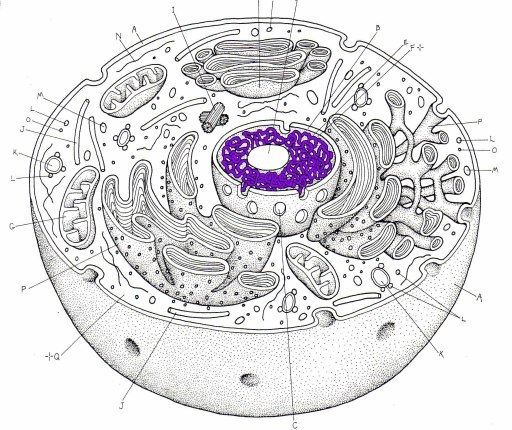
Cell
A basic unit of structure and function in living organisms
Found only in plants
Eukaryotic – cell that contains an organized nucleus
Cells that contain an organized nucleus.
Cells that do NOT contain a nucleus.
Heterotrophic
Organisms which cannot synthesize their own food
Organisms that are able to synthesize their own food
Multicellular
Organism made up of more than one cell
Made of a single cell
Nucleus
A structure within a cell that contains the cell’s DNA and is responsible for providing instructions to the cell, regarding growth and reproduction
A structure within a cell that contains all the power for the cell
Prokaryotic
Cell that does NOT contain a nucleus
Cell that contains a nucleus
Sexual reproduction – mode of reproduction with two parents
Mode of reproduction with two parents
Mode of reproduction with only one parent
Mode of reproduction with 3 or more parents
Unicellular – organism made up of only one cell
Organism made up of only one cell
Organism made up of more than one type of cell
Plant cells have a cell wall, a cell
nucleus and a vacuole, as well as
other cell parts.
Plants are considered to be —
unicellular
eukaryotic
heterotrophic
prokaryotic
While hiking you see a giant oak tree
that has mushrooms growing at the
base. What domain of life is
represented by the oak tree and the
mushroom?
fungae
archaea
eukarya
plantae
An organism has the following
characteristics:
- It is multicellular.
- It is composed of eukaryotic cells
that are organized into tissues, but
lack cell walls.
- It obtains its nutrients by ingestion.
- It reproduces by sexual
reproduction.
To which Kingdom does the
organism mostly belong?
Fungi
Protista
Plantae
Animalia

A student on a nature walk discovers an organism with which she is unfamiliar. She observed that the organism has a flat, shelf-like shape and is attached to a dead log
from which it obtains its nourishment.
Using the table, to which Kingdom should she classify the organism?
Animalia
Plantae
Fungi
Protista
Which of the following is composed
of many cells?
virus
bacterium
paramecium
plant