
NEW
Font size
 Worksheets
Systems that Transport
Total questions: 25
Worksheet time: 12mins

Arteries, veins, and capillaries are parts of the _____ system.
digestive
respiratory
lymphatic
cardiovascular

The type of blood vessel that carries blood away from the heart is called _____.
artery
vein
capillary
lymph vessel
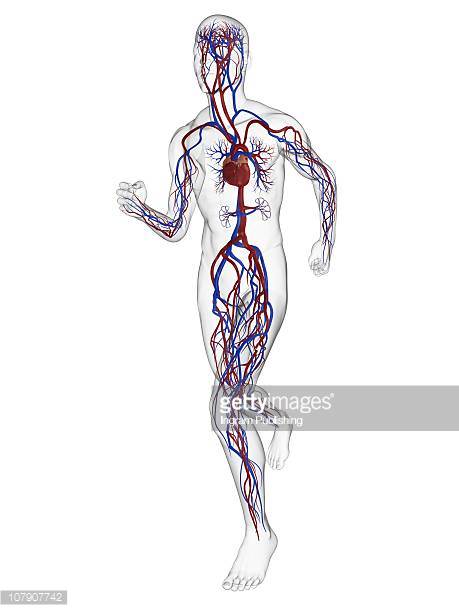
What is the main organ of the cardiovascular system?
brain
skin
lungs
heart
The function of the heart is to _____.
pump blood around the body
send food to the small intestine
store memories
protect and support
The heart is about the size and shape of your _____.
head
fist
finger
foot
_____ are the smallest blood vessels.
arteries
veins
capillaries
lymph vessels
The human heart has _____ chambers.
5
2
3
4
What organs make up the cardiovascular system?
lungs, blood, blood vessels
liver, pancreas, gall bladder
heart, blood, blood vessels
brain, spinal cord, nerves
The small oval-shaped lymph structures located throughout the body are known as _____.
lymph nodes
lymphocytes
tonsils
lymph glands
What is the function of the lymphatic system?
drain tissue fluids and defend against diseases
extract oxygen from the air
remove toxins from the blood
spread nutrients throughout the body
Which cells are responsible for fighting diseases?
white blood cells
red blood cells
What is a lymphocyte?
white blood cell
red blood cell
yellow blood cell
blue blood cell
What does the lymphatic system do?
defend against diseases
reduce swelling
carry lymph fluid
all of the choices
The process of collecting and returning excess fluid to your blood demonstrates the relationship between which of the following systems?
lymphatic and cardiovascular systems
lymphatic and respiratory systems
cardiovascular and respiratory systems
lymphatic, cardiovascular, and respiratory systems
What is the function of a heart valve?
helps blood to clot
keeps blood flowing in all directions
keeps blood flowing in one direction
stops blood from flowing
What is the largest organ of the lymphatic system?
appendix
spleen
thymus
tonsils
Which blood vessels have the thickest walls?
veins
arteries
capillaries
lymphatic
The _____ are mostly found in the neck, groin, and armpits.
spleens
lymph nodes
thymus
tonsils
Which statement best describes how the lymphatic system helps to maintain homeostasis?
it protects the body from infection and disease
it breaks down food to provide nutrients for the body
it transports oxygen and carbon dioxide through the body

Which type of blood vessel carries blood back to the heart?
capillaries
lymphatic

The bottom chambers of the heart are called the _____.
ventricles
aortas
atria
vena cavae

The top chambers of the heart are called the _____.
ventricles
aortas
atria
vena cavae

Which chamber of the heart is colored in green?

Which blood vessel delivers oxygenated blood to the body?
Superior Vena Cava
Inferior Vena Cava
Pulmonary Artery
Which chamber of the heart does oxygenated blood enter first from the lungs?
Left Atrium
Left Ventricle
Right Atrium
Right Ventricle

