
Font size
 Worksheets
U13 PL 2 Retake
Total questions: 20
Worksheet time: 19mins
A motor is a device that...
converts electrical energy into mechanical energy.
converts mechanical energy into kinetic energy.
converts mechanical energy into electrical energy.
converts electrical energy into kinetic energy.
A generator is a device that converts...
mechanical energy into electrical energy.
electrical energy into kinetic energy.
mechanical energy into kinetic energy.
electrical energy into mechanical energy.
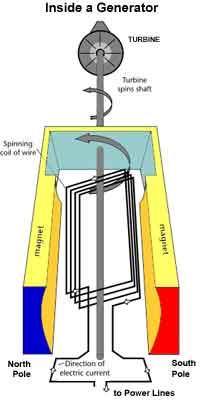
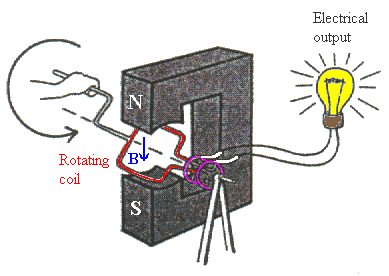
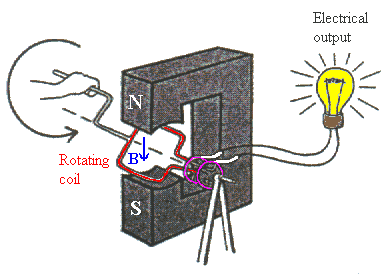
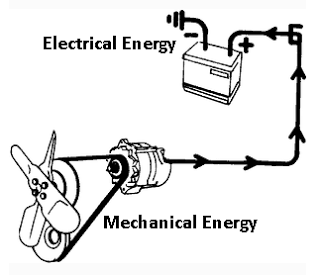
kinetic -> electrical

What is the function of the motor?
Convert electrical energy to mechanical (kinetic) energy
Convert electrical energy to thermal energy (heat)
Convert mechanical (kinetic) energy to electrical energy
What is the function of the generator?
Convert electrical energy to mechanical (kinetic) energy
Convert electrical energy to thermal energy (heat)
Convert mechanical (kinetic) energy to electrical energy
What is the function of the transformer?
Convert electrical energy to mechanical (kinetic) energy
Convert electrical energy to thermal energy (heat)
Convert mechanical (kinetic) energy to electrical energy
Step up or step down the voltage

What type of transformer is a location B?
step up
step down
What type of transformer is a location D?
step up
step down

What type of transformer is A?
Step up
Step down
What type of transformer is D?
Step up
Step down
Why do we need transformers on the electrical grid? (Two of these options are correct)
To step up the voltage and lower the current which reduces heat loss over long distances
To step down the voltage and increase the current which reduces heat loss over long distances
To step down the voltage and increase the current which makes the electrical power safer for use in the community
To step up the voltage and decrease the current which makes the electrical power safer for use in the community


How can a wire become magnetic?
point it north
add a resistor
heat it up
run a current through it

