Wayground logo

Free Printable Worksheets

Font size

S
M
L
XL
Worksheets

SS.7.C.3.12

Total questions: 17

Worksheet time: 14mins

Name
Class
Date
1.
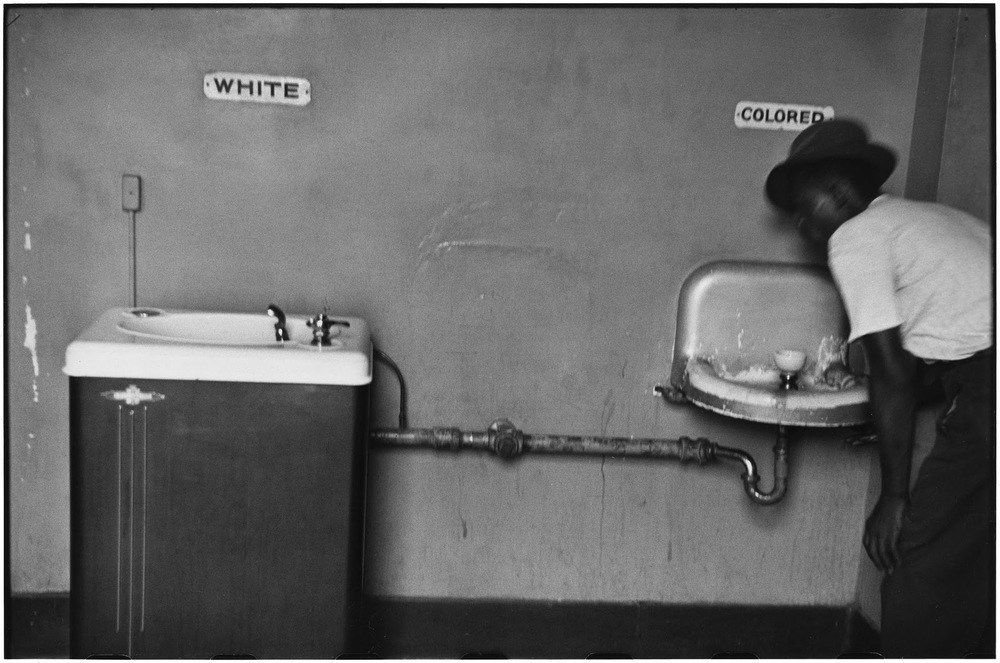
Determined that keeping people separate based on the color of their skin was acceptable. (It was not discrimination.)
a)
Plessy v. Ferguson
b)
Tinker v. Des Moines
c)
Brown v. Board of Education
d)
In re Gault
2.
Determined that everyone was entitled to legal counsel regardless of their ability to pay.
a)
U.S. v. Nixon
b)
Bush v. Gore
c)
D.C. v. Heller
d)
Gideon v. Wainwright
3.
Determined that keeping people separate based on the color of their skin was not acceptable.
a)
Miranda v. Arizona
b)
Brown v. Board of Education
c)
Bush v. Gore
d)
Plessy v. Ferguson
4.
Determined that individuals must be told of their rights. Confessions can be thrown out if not.
a)
In re Gault
b)
Gideon v. Wainwright
c)
Miranda v. Arizona
d)
D. C. v. Heller
5.
Everyone is entitled to due process...even juveniles.
a)
In re Gault
b)
D.C. v. Heller
c)
Miranda v. Arizona
d)
Gideon v. Wainwright
6.
This case determined the Supreme Court had the ability to declare a law unconstitutional.
a)
Tinker v. Des Moines
b)
Marbury v. Madison
c)
Hazelwood v. Kuhlmeier
d)
U.S. v. Nixon
7.
No one is above the law...not even the president.
a)
Bush v. Gore
b)
Marbury v. Madison
c)
Miranda v. Arizona
d)
U.S. v. Nixon
8.
Determined "Executive Privilege" could only be used when national security was threatened.
a)
Bush v. Gore
b)
U.S. v. Nixon
c)
D.C. v. Heller
d)
Miranda v. Arizona
9.
Determined the FL Supreme Court could not order a recount of ballots.
a)
Marbury v. Madison
b)
Bush v. Gore
c)
U.S. v. Nixon
d)
Hazelwood v. Kuhlmeier
10.
Students don't shed their constitutional rights to freedom of speech at the "schoolhouse gate."
a)
Tinker v. Des Moines
b)
Hazelwood v. Kuhlmeier
c)
D.C. v. Heller
d)
U.S. v. Nixon
11.
Schools have the right to limit a student's freedom of speech and of the press.
a)
Tinker v. Des Moines
b)
D.C. v. Heller
c)
Hazelwood v. Kuhlmeier
d)
In re Gault
12.

Established the Supreme Courts power of “Judicial Review” to see if laws are Constitutional / Unconstitutional. (Judicial Branch interprets the laws)

a)

Marbury v Madison

b)

Hazelwood v Kuhlmeier

c)

In Re Gault

d)

District of Columbia v Heller

13.

Suspects cannot be questioned (interrogated) until they are informed of their rights (right to remain silent, right to an attorney, etc.)

a)

Brown v Board of Education

b)

Miranda v Arizona

c)

Tinker v Des Moines

d)

Bush v Gore

14.

Established “Separate but Equal”, which provided separate public facilities for both whites and blacks as long as they were equal.

a)

District of Columbia v Heller

b)

In Re Gault

c)

Brown v Board of Education

d)

Plessy v Ferguson

15.

What was the Supreme Court's decision in the Dred Scott case?

a)

That slavery diminished the national character.

b)

That African American rights were protected by the Constitution.

c)

That African Americans did not have the right to sue in federal court because they were not citizens

d)

That slavery should be abolished by executive order

16.
McCulloch v. Maryland established the _____ Clause. 
a)
Santa
b)
Necessary and Proper
c)
Supremacy
d)
Grandfather
17.
Which court case overruled Plessy v Ferguson and declared that separate is not equal? 
a)
Mapp v Ohio
b)
Gideon v Wainwright
c)
US v Nixon
d)
Brown v Board of Ed