
 Worksheets
Place and Liveability
Total questions: 20
Worksheet time: 11mins
What is liveability
A fun place to live
Someone’s perception of how nice a place is to live in
A bad place to live
A name
The assessment of a place using criteria to suit people:
Liveability
Transport
Needs and wants
What is a push factor?
A reason you might leave a place
A reason you might move to a place
A drivable distance to the ocean
A feeling that is hard to measure
What is a pull factor?
The number of people in a small area
A strong gravitational force
A reason to move to a place
A reason to leave a place
An example of a push factor is?
Being with family and friends
The right to practice a religion
Poor access to education
Well paying jobs
An example of a pull factor is?
War / conflict
Unpredictable climate
Health services
All of the above
Which picture depicts a rural area?
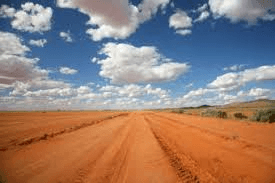
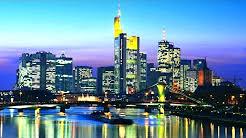
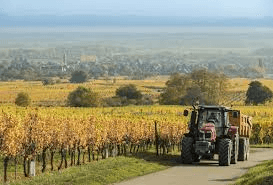
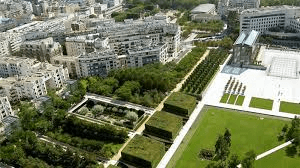
Which picture depicts an urban area?

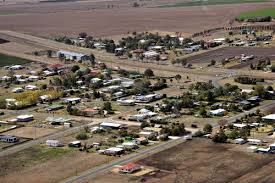
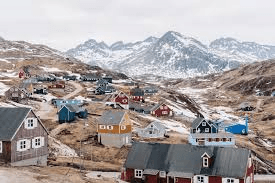
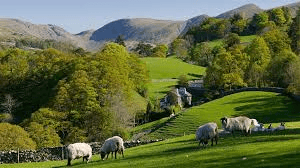
True or False? Aboriginal and Torres Strait Islander peoples have a higher percentage of the population living in remote and rural areas than urban.
True
False

Ben and Jess have five kids of school age a large dog and they like to be outdoors. Choose one factor from the following, that will probably not influence their decision to live in a certain neighbourhood.
Schools nearby.
Dog walking park.
Large house.
Aged care home.
Which of these are reasons people move to a place?
High crime rate
Access to goods and services
Nice climate
Close to family and friends
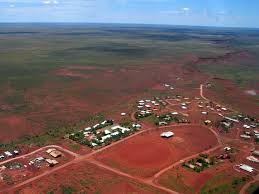
Would the place depicted in this picture be considered...?
Urban
Remote
Rural
Factors of liveability can be broken down under three categories? What are they?
Environmental Factors, Economic Factors and Leisure Factors
Economic Factors, Employment Factors and Social Factors
Economic Factors, Personal Factors and Health Factors
Economic Factors, Environmental Factors and Social Factors
What is a subjective factor of liveability?
Water quality
Look of the houses
Climate
Crime rate
What is rural-urban fringe?
The area surrounding the outside of a metropolitan area
A circular farm
The outer suburb of a city
All of the above
Which option represents the correct hierarchy of settlements?
Village, Metropolis, town, farm, city
Metropolis, city, town, village, farm
City, Metropolis, town, farm, village
Town, city, farm, village, metropolis
Population distribution is a good measure of?
How people are spread out across an area
A measure of overcrowding
The given number of people in a place divided by the area in km squared
All of the above
What is an anomaly?
A stinging piece of coral that Nemo lives in
Something that is out of place in a pattern
Something that fits a pattern
None of the above
Which of the following options is NOT an objective reason that could influence a person's perception of liveability?
The average temperature (temperate)
The average rainfall
The wind can feel cold sometimes
All of the above
Which option represents an objective factor about safety and stability that might affect a person's perception of liveability?
High levels of crime in the region
Pasts conflict/violence and war
Frequent natural hazards like flood and earthquakes
All of the above

