
 Worksheets
Review for checkpoint test
Total questions: 28
Worksheet time: 24mins
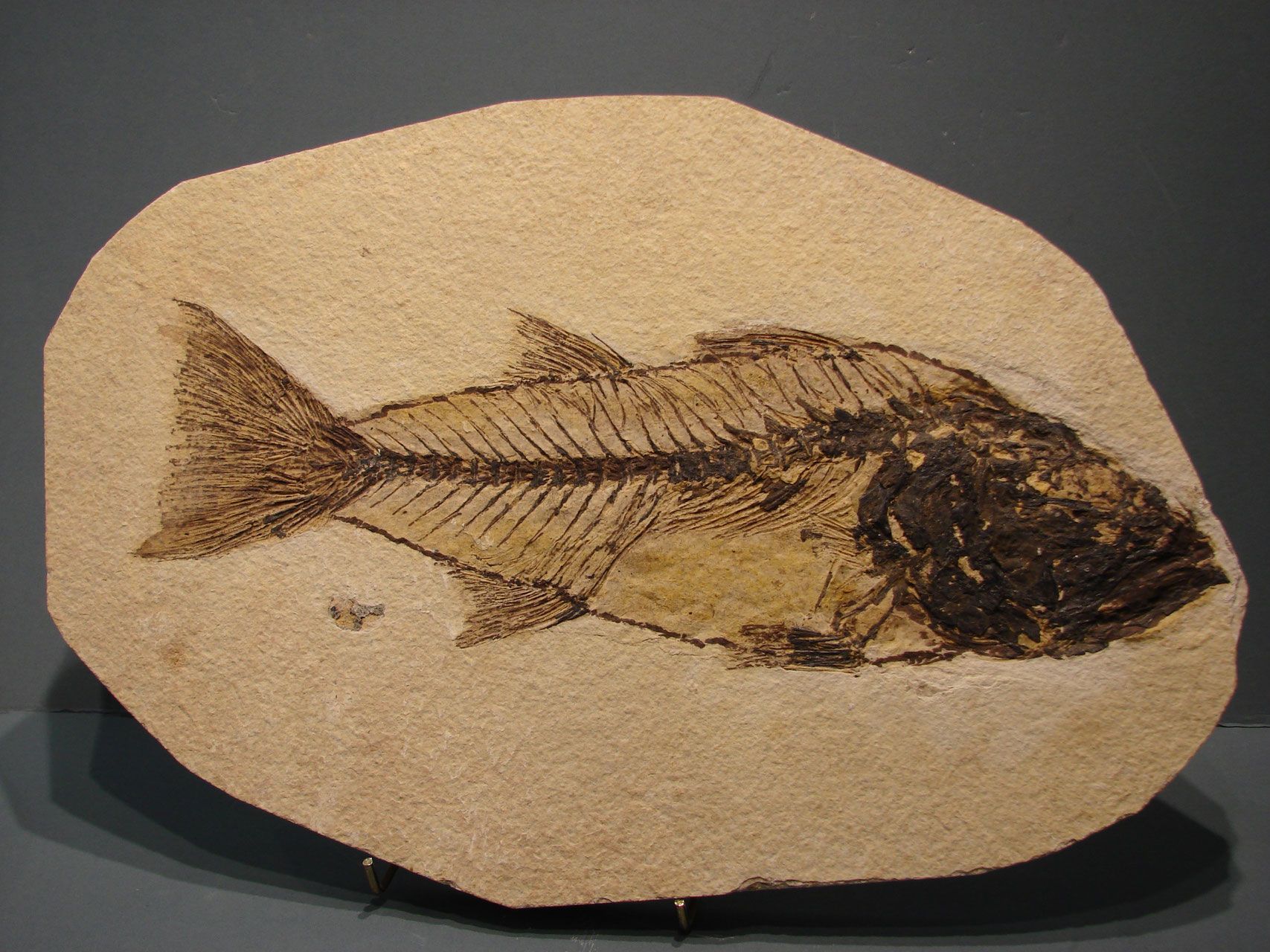
If a scientist found a fish fossil in the desert, what can they infer?
An animal ate the fish.
The water covered the area long ago.
Today's fish looks the same
The fish is endangered.

The place where an organism lives that provides it with shelter, food and water ….
ecosystem
population
habitat
All of the living and nonliving components that interact in an environment.
population
ecosystem
community
organism

An animal has sharp, pointy teeth, what can we infer about this animal?
The animal lived in the water
The animal lived near the beach.
The animal is a carnivore.
The animal only ate plants.
Snakes, mice, small birds, crickets, hawks, cactus live together in a specific area will make ….
organism
community
population
Plants interact with living and nonliving in their environment. Which of the following is an interaction between the plant and a nonliving element?
insects eating the plants
Humans breathing oxygen from plants
Bees having pollen from flowers
soil holding the roots of the plants
What needs to happen FIRST for a fossil to form?
A plant or animal must be covered by sediment.
A plant or animal must die and decompose.
Sediments fill a a mold to form a cast.
An earthquake shifts the land up.

This type of fossil is tree sap hardened and the insect was preserved.
bone fossil
footprint fossil
whole body fossil
Mold fossil
Which of these is an example of one living thing depending on another living thing?
Cat walking on the sand
Bird building a nest in a tree
Dog warming in the sunlight
Squirrel drinking water
Which type of rock are most fossils found?
sedimentary rock
metamorphic rock
igneous rock
fossils

A bear is an example of a/an ….
community
organism
population
_______________is a scientist who studies fossils.
geologist
fossilologist
paleontologist
extinct
Describes a group of living things that are no longer living.
fossil
extinct
endangered
dinosaur

A group of snake lives together in a specific area will make ….
organism
community
population
Which would be an example of a fossil?
Sedimentary Rock
Dinosaur Footprint
Oyster Pearl
Rotting Log

What word belongs in the white box labeled "2"?
population
community
Fossils help us learn about....
What animals were like long ago
How the earth's surface has changed
what the environment was like
All of these

This image is representing a
(Without the water)
Individual
Population
Community
Ecosystem
The deeper the layer the fossil is found, the older the fossil will likely be.
True
False
A group of tadpoles in a pond is an example of a _____________.
population
community
Which of the following is NOT an example of a fossil?
an insect stuck in tree sap
a huge dinosaur bone
a seashell found on the beach
a footprint captured in mud
What does population mean ?
a group of animals that are different
the amount of people living in a place
a group of animals of the same kind
a place where you live, work, and play

3. What list the non-living parts the ecosystem.
Water, fish, ducks, rock,
Sediment, water, mosquito, ducks
sediment, water, rock, dirt/earth, air,
dragon fly, rocks, soil, water
Over millions of years, trees may become fossilized when they turn into_____
paper
soil
rock
water

What type of fossil is this?
Mold fossil
bone fossil
whole body fossil
footprint Fossil
self reflection:
How well do you think you understand this chapter so far?
(you can choose more than 1)
I got this!
I'm pretty confident in my skills
I kind of understand it, but I need help
Help! I don't know what's going on!

