
 Worksheets
7th STAAR Review
Total questions: 30
Worksheet time: 15mins
The job of the nucleus is to:
Hold the cell's genetic material
Store water and other materials
Create proteins
Surround the cell and control what comes in and out

This organelle, when full of water, helps create support for the cell by maintaining pressure inside the cell as it presses against the cell wall.
Chloroplast
Nucleus
Vacuole
Lysosome
Found in the nucleus
DNA
Chromosomes
Genetic material
All of the above
Animal cells and fungal cells can not make their own food because they do not have _____.
Mitochondria
Nucleus
Chromosomes
Chloroplasts
Which cell part and word match with: "lets selected items pass through"?
Cytoplasm/gelatinous
Cell wall/rigid
Cell membrane/semi-permeable
chloroplast/green
True or false: A plant cell has mitochondria as well as chloroplasts.
True
False
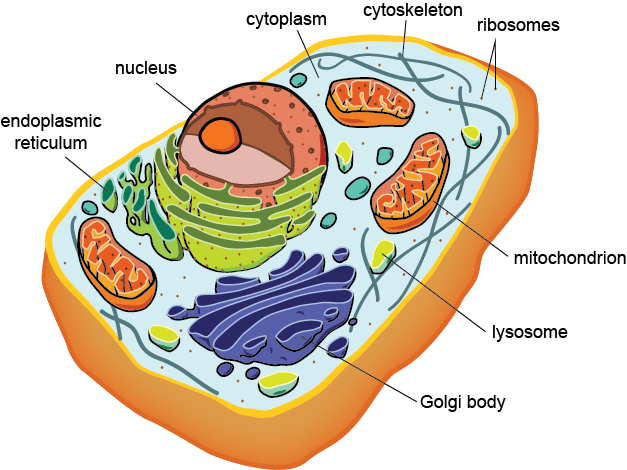
Your heart, blood vessels, red blood cells and white blood cells make up your....
Nervous system
Respiratory system
Circulatory system
Immune system
What is the function of the excretory/urinary system?
Removes liquid waste from your body
digests food
helps you breathe
circulates your blood

What do you predict will happen to the moths over time?
Variation among moths has little to no effect.
The lighter moths will be selected out.
The darker moths will be selected out.
the lighter moths will become darker.
What would happen if a saltwater fish was placed into a fresh water lake?
The fish would enjoy the new environment because there are fewer predators.
The fish would not survive.
The fish would try to swim back to the ocean.
The fish would adapt to its new environment.
Survival of the fittest most likely affects_________.
the rate of genetic drift
which organism is dominant
which organisms reproduce
the rate of mutation
A species iguana on the Galapagos Island can swim, but iguanas on the mainland cannot. Why is this?
The iguanas are not related.
The iguana on the island needs to swim to survive.
There is no scientific reason.
The mainland iguanas don't feel like swimming.
What would cause a species to become extinct?
drastic environmental changes that the species cannot adapt to
humans selective breed the species
species move from one place to another
species have evolved better traits
What best describes selective breeding?
humans pick the organisms to mate based on traits
nature picks the best to survive
animals pick their mate rather than random mating
animals traits that help them survive
What is the best example of selective breeding?
Pollen is carried from plant to plant by bees
Seeds are blown to a new area of land
A river carries pollen down stream
Scientists collect pollen from one plant and use it to pollinate another
If the environment were to change, which of the population would be able to survive to pass on their genes?
the ones that could best camouflage
the biggest and strongest
the ones that had traits best adapted
the youngest and fastest
What animal has been selectively bred?
horses that graze on grass
foxes that can find mice under ground
cows that form large herds
chickens that lay large eggs
In order to keep the offspring of an apple tree exactly the same, the farmer must_____________.
use bees to pollinate the flowers
cross pollinate with different apple trees
ensure the apple tree reproduces asexually
increase the diversity of the apple tree
What is an advantage of sexual reproduction?
longer life spans
greater diversity
larger numbers of offspring
more energy used

