
 Worksheets
FINAL MUSIC EXAM REVIEW
Total questions: 111
Worksheet time: 19mins



What type of note is this?
Half Note
Quarter Note
Whole Note
Dotted Half Note

How many beats are in this measure?
3
4
5
9

How many beats does this note get?
2
4
1
3

What type of note is this?
Half Note
Open Note
Quarter Note
Whole Note

What type of rest is this?
Half Rest
Quarter Rest
Whole Rest
Hat Rest

What type of rest is this?
Whole Rest
Half Rest
Quarter Rest
Eighth Rest

How many beats does this note get?
3
4
2
1

___________ are the separator of measures.
Pitches
Staff
Thor
Bar lines

What is the name of this note?
Quarter Note
Half Note
Sixteenth Note
Whole Note
Which rhythm is counted correctly?


1 whole note = _____ quarter notes?
2
4
6
8
1 half note = _____ eighth notes?
2
4
6
8
1 whole note = _____ sixteenth notes?
4
8
12
16
Listen to the Rhythm. Choose the best choice for the audio.


What is the rule for figuring out the name of a key signature with sharps?
Go back one sharp from the end & count up to do.
Go up one line/space from the last sharp to find do.
Go down one half-step from the last sharp in the key signature to find do.
Take away the last sharp.
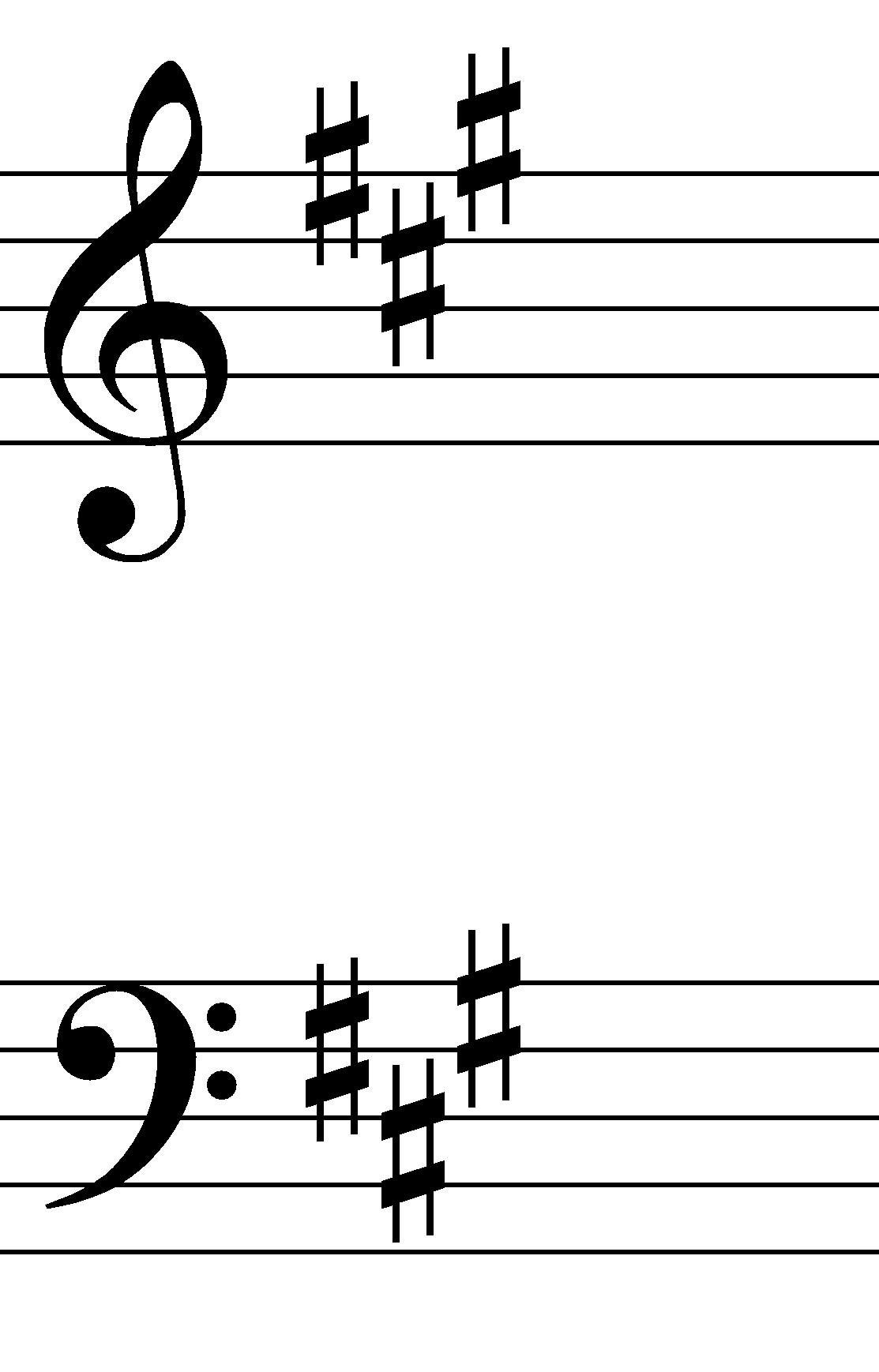
This key signature represents what major key?
A
G#
C#
A#
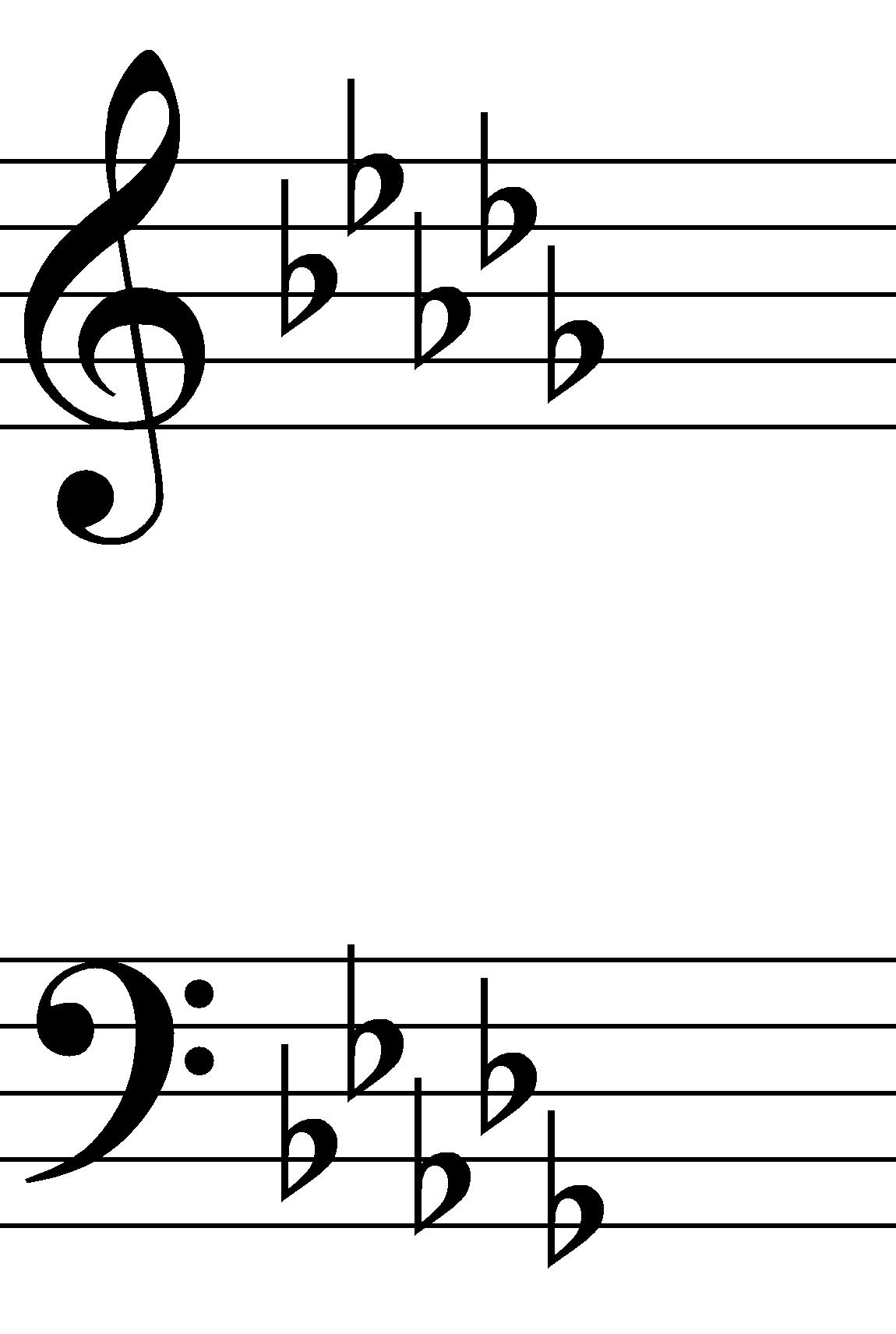
This key signature represents what major key?
Gb
Ab
Db
Eb
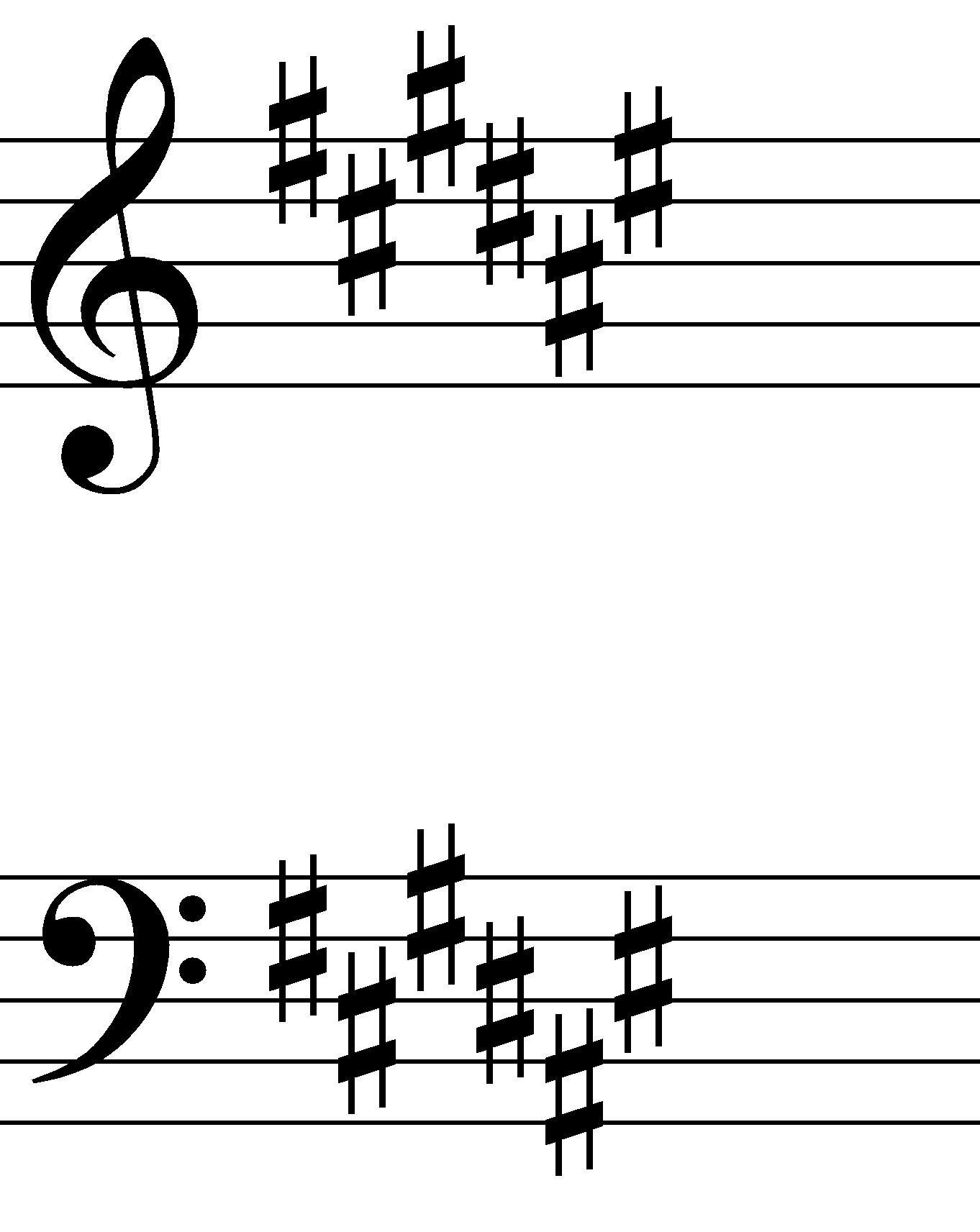
This key signature represents what major key?
F
E#
F#
A#
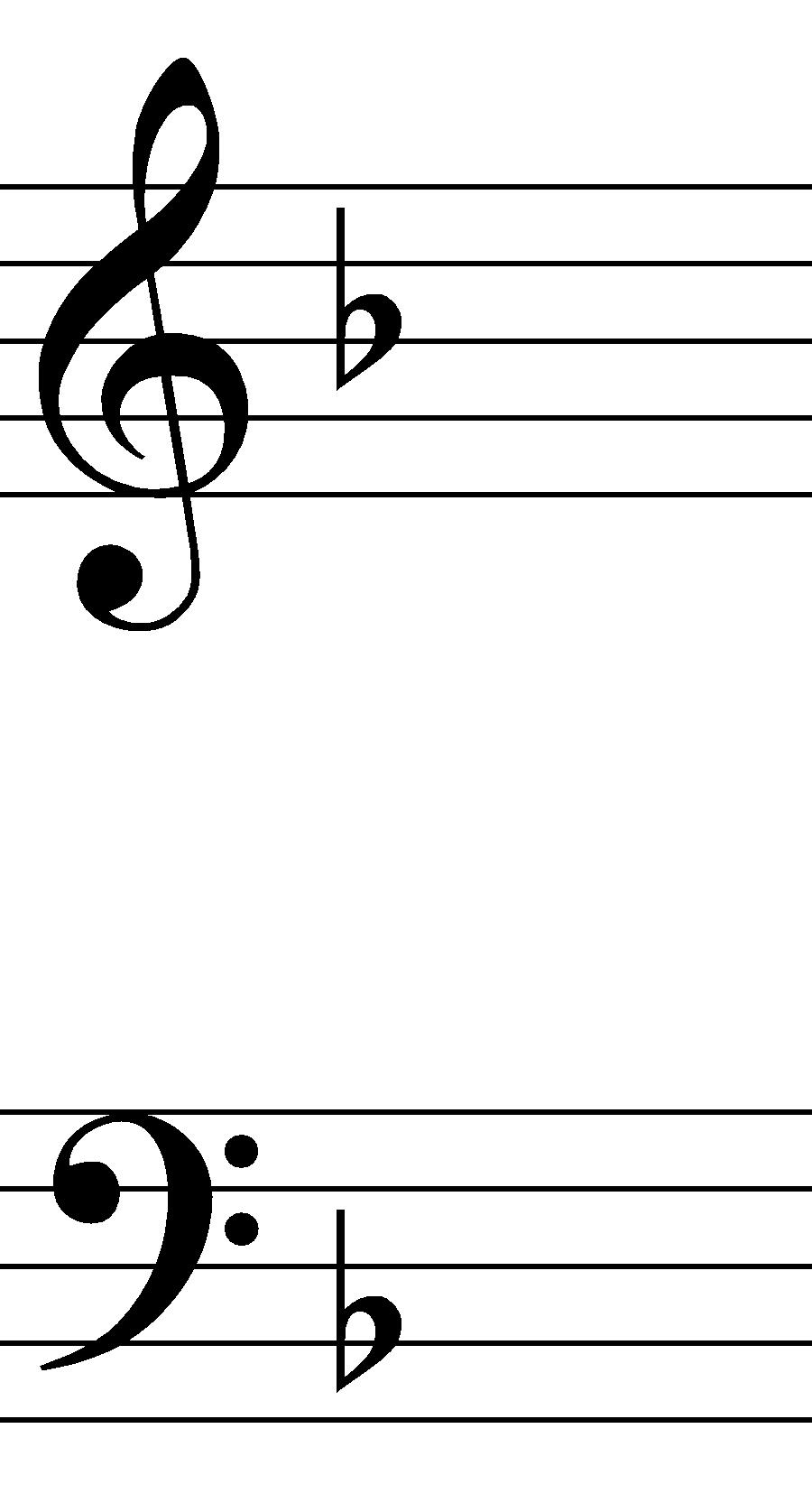
This key signature represents what major key?
Fb
Bb
Cb
F
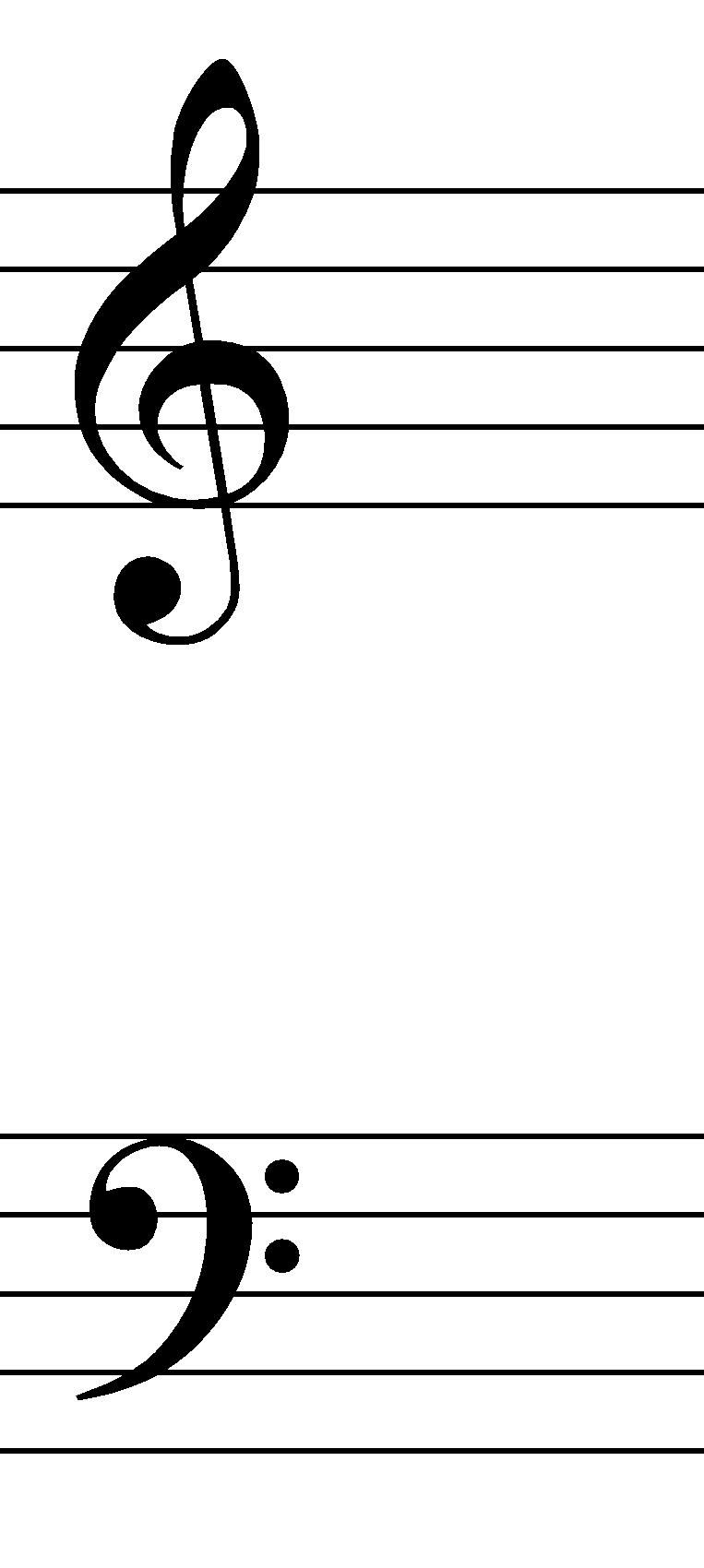
This key signature represents what major key?
C Major
Bb Major
F Major
G Major
What are the lines of the treble clef staff?
GBDFA
EGBDF
FACEG
BDFAC
What is the name for the 5 lines and 4 spaces that helps to organize music?
Barlines
Staff
Music Notes
Clef
What are the symbols that help tell how loud or soft to sing?
Accents
Stacattos
Dynamic Markings
Barlines
Forte is ______ marking.
p
mp
mf
f
Where do we breath from when singing?
Lungs
Diaphragm
Abdominal Wall
Posterior
Where should we feel our breath when singing?
Low & in our lower abdominal wall
High & in our chest
Low & in our diaphragm
High & in our ribs
What does unison mean?
To sing at different times.
To sing the same pitches at the same time.
To sing the same rhythms at the same time.
To sing the same pitches at different times.
What is the scale we use to sing called?
Octave
Pitch
Solfege
Solfeggio

What is this pitch?
Do
Mi
Ti
La
So

Use the key signature to help you find the pitch.
Re
Fa
La
Ti
A key signature is made up of ______________ or ___________.
(a)
The key signature is located between the (a) and time signature.
To establish key we sing a (a) .

What type of rhythms do you see. Check all that apply
Sixteenth notes
Whole notes
Eighth Notes
Half Notes
Quarter Notes
An octave has how many notes?
7
8
4
1

What type of interval is this?
2nd
4th
5th
6th

What interval is this?
2nd
5th
7th
8th/octave

What are the markings in the middle of the two staves? Check all that apply
Dynamic Markings
Forte
Mezzo Forte
Crescendo


(don't pick this one)


(don't pick this one)

Two or more notes sounding together is...
Melody
Harmony
Rhythm
Form
What is the term for a female singer with a strong high range?
alto
tenor
soprano
bass
What is the term for a male singer with a low range?
alto
tenor
soprano
bass
What is the name of the person who directs the choir?
composer
conductor
arranger
director
What is the term for a female singer with a low range?
alto
tenor
soprano
bass/baritone
Your voice is your own instrument.
True
False
A voice is not an instrument
When you stand singing, how should you position your feet?
close together
slightly standing apart
one foot crossed over the other
feet lifted slightly
What is the term for a male singer with a high range?
alto
tenor
soprano
bass
We use these to breathe properly when singing...
Your throat
Your diaphram
Your lungs
Your heart
What do we call a song where different groups start singing at different times to create harmony...
accompaniment
choir
bass
round
What is the reason for warming up your voice?
Because the music teacher said so.
Because it's something fun to do.
To be a better singer.
To loosen up our vocal chords and so we don't hurt ourselves.
The part of our body which vibrates when we sing is called...
Diaphram
Lips
Vocal Chords
Throat
A female singer with a medium range is a....
soprano
alto
tenor
bass
mezzo


What is the SOLFEGE order?
DO, MI, RE, FA, LA, SOL, TI, DO
DO, TI, LA, SOL, FA, MI, RE, DO
DO, RE, MI, FA, SOL, LA, TI, DO
DO, RE, MI, FA, SOL, TI, LA, DO
What is the correct abbreviation for the order of voices in pitch from highest to lowest?
BAST
ATBS
SATB
TABS
A diphthong is a sound created by combining _______ vowels into one syllable
two
three
four
five
To sing very long phrases, a choir may use
Stacked Breathing
Sloped Breathing
Super Breathing
Staggered Breathing
One of the muscles a singer may wish to strengthen is the
Lungs
Throat
Diaphragm
Vocal Cords
What does posture mean when singing?
How to stand
How to sing
How to breathe
How to perform
What is a vocal range
How loud or quiet somebody can sing
How fast or slow somebody can sing
How high or low somebody can sing
How in tune somebody can sing
What is the rhythm?
The beat
The tune
The speed

What are dynamics?
How high or low
How loud or quiet
How fast or slow
What is pitch?
How high or low
How fast or slow
How loud or quiet?

What does this symbol mean?
Loud
Soft
Medium Loud
Medium Soft

What does this symbol mean?
Loud
Soft
Medium Loud
Medium Soft

What does this symbol mean?
Loud
Soft
Medium Loud
Medium Soft

What does this symbol mean?
Loud
Soft
Medium Loud
Medium Soft

What does this symbol mean?
Gradually Louder
Gradually Softer
Very Loud
Very Soft

What does this symbol mean?
Gradually Louder
Gradually Softer
Very Loud
Very Soft

What does this symbol mean?
Gradually Louder
Gradually Softer
Very Loud
Very Soft

What does this symbol mean?
Gradually Louder
Gradually Softer
Very Loud
Very Soft
What does CRESCENDO mean?
Gradually get louder
Gradually get softer
Gradually get faster
Gradually get slower
What does DECRESCENDO mean?
Gradually get louder
Gradually get softer
Gradually get faster
Gradually get slower
Which one is loudest?
Mezzo Piano
Mezzo Forte
Pianissimo
Piano
Which one is softest
Pianissimo
Fortissimo
Piano
Mezzo Piano
Intervals are the relation between any (a) notes

Name the interval.
4th
2nd
5th
7th

Name the interval.
8th
6th
7th
5th

Name the interval.
4th
3rd
1st
2nd

Name the interval.
Harmonic
Melodic
Listen to the clip and name the interval.
MELODIC
HARMONIC
Listen to the clip and name the interval.
HARMONIC
MELODIC
Listen to the clip and name the interval.
HARMONIC
MELODIC
Listen to the clip and name the interval.
MELODIC
HARMONIC

Name the interval.
3rd
2nd
4th
5th



