
 Worksheets
Middle Ages to Age of Exploration
Total questions: 83
Worksheet time: 2hrs 43mins
What is the warm ocean current flowing northeast, under the influence of prevailing winds, from the Gulf of Mexico towards NW Europe and warming its climate?
South Gulf Stream
North Atlantic Drift
South Pacific Drift
Gulf Stream Drift

What is located at 5?
Alps Mountains
Ural Mountains
Rocky Mountains
Carpathians Mountains
Who is the leader of the Roman Catholic Church?
the Pope
the Archbishop
the Cardinal
the King
Who was responsible for spreading Christianity across Europe during the Middle Ages?
Kings & nobles
Monks, Missionaries, & Priests
Peasants & serfs
Nobles & Traders
Which of the following did Monks NOT provide for the communities around the monasteries?
take care of the sick in the community
provide horses for travelers passing through the community
help feed the poor in the community
provide education in the community
Which is the BEST description of how medieval monks contributed to Western culture and civilization?
organized and led bands of "Crusaders" who defended Europe from Muslim attackers
their artwork served as the inspiration for the "Renaissance" that developed in Italy.
re-wrote the Bible and changed many of its original stories
helped preserve the learning, writing, and culture of the early Greeks, Romans, and Christians
Which Pope crowned Charlemagne?
John XII
Benedict XVI
Gregory the Great
Leo III
Who commanded the Normans at the Battle of Hastings
Duke William
King Harald Hardrada
Bishop Odo
Count Robert of Mortain

Magna Carta
Code of Hammurabi
Twelve Tables
Declaration of Independence
Pope Gregory VII and Emperor Henry IV disagreed about
how serfs and peasants should be treated in feudal society.
who should select bishops.
where in Europe the church headquarters should be located.
who could excommunicate people.
Medieval Christians feared excommunication because they believed that
those cast out from the church had to leave their village.
those cast out from the church would not get into heaven.
those cast out from the church could not get work.
those cast out from the church could not own property.
In the Late Middle Ages, there was a struggle in power in Europe between: (choose all that apply):
Popes
Lords
Monks
Kings
The city of Jerusalem is important to what three major religions?
Buddhism, Hinduism, and Islam
Islam, Christianity, and Hinduism
Islam, Christianity, and Judaism
Why did people join in fighting in the Crusades?
They wanted adventure.
They thought it would help them get rich.
They thought it would help them get into heaven.
All of these answers
What Muslim leader reconquered Jerusalem after the 2nd Crusade?
William the Conqueror
Saladin
Richard I
Ibn Batuta
The Black Plague was thought to be brought to Western Europe through the —
trade routes
Crusades
Mongol invasions
Viking raids

Which TWO countries fought against one another in the Hundred Years War?
Italy
Spain
England
France
Portugal
What was the main GOAL of the Reconquista?
To eliminate foreign trade on the Iberian Peninsula and make it self-sufficient
To push the Muslims out of the Iberian Peninsula and make it all Catholic
To make a truce with the Jews and develop the banking industry
To work with the Pope and force all Muslims and Jews to become Catholic
Which of the following BEST explains how Joan of Arc impacted the Hundred Years War?
She inspired French troops and rallied them to victory
She allied with the English and conspired against the French
She worked with the Pope and helped end the war peacefully
She created new laws and helped women get fair treatment
Henry V most famous victory was at the Battle of...
Meaux
Agincourt
Hastings
Boulogne
How did the Medici family contribute to the Renaissance?
They were patrons of the arts
They killed off anyone who challenged their power
They went on a crime spree
They formed the first government that collected taxes
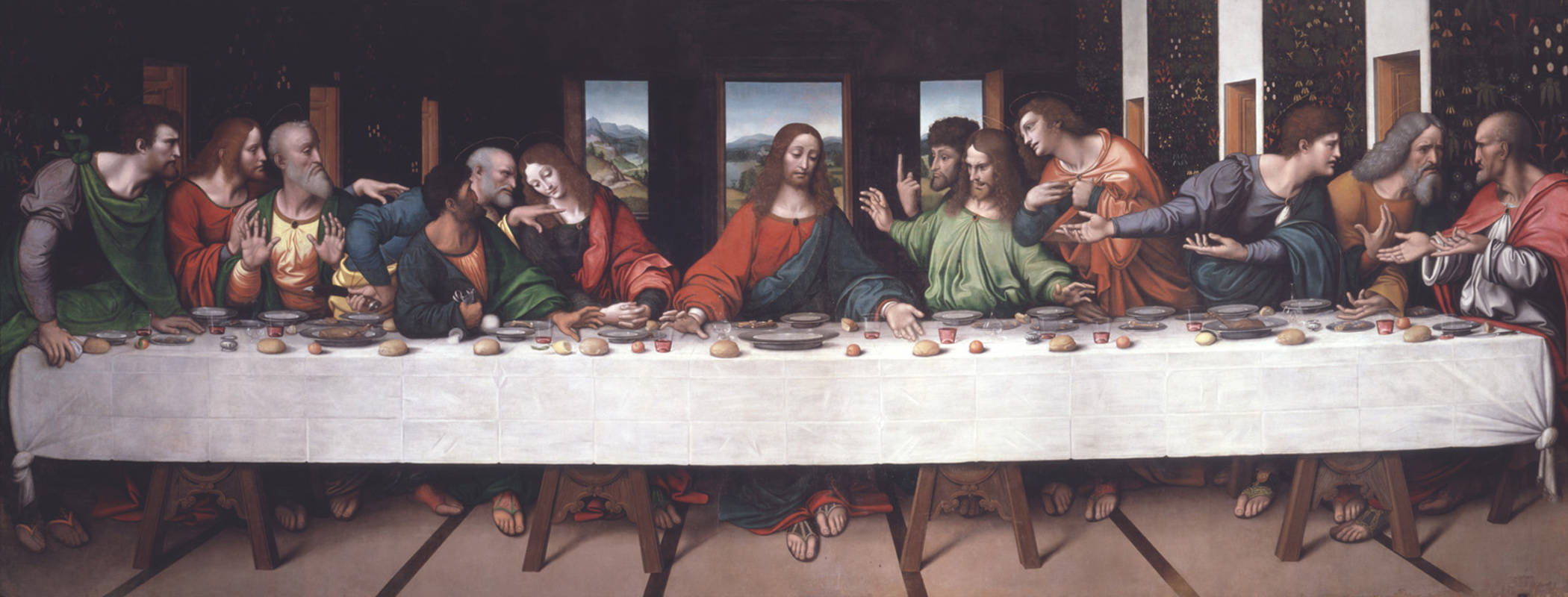

Artist who painted the ceiling of the Sistine Chapel in Rome
Michelangelo
Leonardo Da Vinci
Perspective
Patron
Humanism...
emphasized the Bible
leads to happier lives
encourages people to learn Latin and Greek
emphasized human interests and values
Which of these changes occurred during the Renaissance?
The Church was all-powerful.
The Church’s power declined.
Factories began using electricity.
Women gained equal rights with men.


Leonardo da Vinci.
Johann Gutenberg.
William Shakespeare.
Michelangelo di Buonarroti Simoni.
_____________________ was an Italian astronomer who developed the telescope, which then confirmed Copernicus’ Heliocentric Theory
Isaac Newton
Galileo Galilei
Adam Smith
Dennis Diderot
Which scientist developed three laws of motion?
Ptolemy
Copernicus
Galileo
Newton
England became a _______ during the reign of Henry VIII.
Catholic country
Protestant country
democracy
monarcy
The main aim of the Spanish Armada was to achieve what?
To remove Elizabeth from the throne and make England a Catholic country once again.
To remove Elizabeth from the throne and make England Protestant
To remove Elizabeth from the throne and replace with Mary, Queen of Scots
To remove Elizabeth from the throne and make Philip the King of England

Patronage during the Renaissance was most closely aligned with
Leaders granting loyal supporters lucrative government jobs
Wealthy families hiring artists to create paintings, sculptures, etc. in exchange for money, food, shelter, etc.
The concept of frequenting the same shop or business so you are loyal to an individual and/or their products
Governments assisting mariners in funding overseas voyages to further expand trade

Who started the Society of Jesus (the Jesuits)?
Ignatius of Loyola
Luther
King Henry
Mr. McCuan

Who taught the concept of Predestination?
Luther
Calvin
King Henry
Tyndale

Which mountain range is located along the western coast of South America?
Andes Mountains
Appalachian Mountains
Central Mexican Plateau
Rocky Mountains

The Great Plains are located between which two geographic features?
Andes Mountains
Appalachian Mountains
Mississippi River
Rocky Mountains

The Inca Empire adapted to their geography by using this type of farming.
Chinampa
Crop Rotation
Slash-and-Burn
Terrace

Teepees show how natives adapted to geography on the...
Eastern Woodlands
Great Plains
Northern Woodlands
Yucatan Peninsula

Natives from the Northeastern Woodlands adapted to the cold environment in which two ways?
Hunted animals because they couldn't farm all year round.
They lived in teepees and traveled alongside of Buffalo herds.
Lived in Longhouses for mutual support and storage.
Built a road system that allowed them to travel easily.

Select two answers that are correct about Chinampa Farming
It was used by the Aztecs.
It grew crops on man-made rafts.
It was used by the Maya.
It was used by Northeastern Woodland tribes.

How did Great Plains natives use buffalo?
They worshipped the buffalo as the one supreme god.
They used buffalo hides for teepees and clothing.
They hunted buffalo for food.
They killed buffalo so they wouldn't destroy farm fields.

The following describes which South American civilization? Quipu, advanced roads, empire, terrace farming.
Aztec
Comanche
Inca
Iroquois
___________ Native Americans lived a nomadic lifestyle.
Northeastern
Southeastern
Plains
Choose 3 answers that the Aztec, Inca, and Maya had in common.
Religious ceremonies involving sacrifices
Had a system of writing
Lived in North America
Existed for about 200 years
Had priests, rulers, and pyramids
Which civilization created a calendar based on stars and planets?
Maya
Aztec
Inca
Francisco Pizarro
Sir Francis Drake
Hernan Cortez
Henry the Navigator
Prince Henry
Bartolomeu Dias
Vasco da Gama
Christopher Columbus

He traveled through Florida to the west of North America
Ponce de Leon
Hernando de Soto
Hernan Cortes
Francisco Pizarro
North and South America were named after ___________.
Hudson
Magellan
Vespucci
LaSalle
Who was the explorer who sailed for Spain/Queen Isabella?
Vespucci
de Soto
Columbus
Magellan

What did Bartolomé de las Casas attempt to do?
end the harsh treatment of American Indians by the Spanish
bring more Spanish nobles and monarchs to live in the Americas
bring American Indians to Spain
increase the size of Spanish plantations in the Americas


Three motivations for European explorers: God, Gold, and ______.
Grace
Glory
Greed
Guidance
What was the main idea behind mercantilism?
Colonies existed to make a profit for their mother country
Colonies were used to house prisoners from the mother country
Colonies were allowed to do whatever they wanted
Colonies were setup to help with overpopulation in the mother country

