
 Worksheets
Great Depression
Total questions: 50
Worksheet time: 3hrs 30mins

The 1920s was a decade known as....
The Roaring Lions
The Roaring Years
The Roaring Days
The Roaring 20's

What should you keep in mind when you borrow money?
You won't need to pay it back.
Creditors don't forget it.
It's easy to borrow money, but difficult to pay it back.
The Roaring 20's had plenty of money to lend.

How many workers didn't have a job by 1933?
1 out of every 7
1 out of every 4
2 out of every 7
3 out of every 4

A drought hit which region of the US in the 1930s?
The southwestern Great Plains
The east coast
The west coast
The northwestern Great Plains.

Which president created the New Deal programs?
George W. Bush
Franklin Roosevelt
Herbert Hoover
John F Kennedy
Who was most directly affected by the Dust Bowl?
farmers
investors
industrial workers
WWI Veterans
Farmers contributed to the problems that led to the Dust Bowl by
putting down new layers of topsoil.
moving off of the plains to find new farmland.
damming western rivers and using irrigation techniques.
using intensive farming practices that removed protective grasses and nutrients in the soil.
Herbert Hoover __________ the Hoover Dam
funded
opposed
built
hated
Herbert Hoover was remembered as...
(choose all correct descriptions listed)
a great president
a terrible president
the leader who ended the Great Depression
the reason the Great Depression happened
None of the above
True or False? Although the New Deal created thousands of jobs, it did not successfully reverse the negative economic cycle and put an end the the GD. Instead, WWII ended the Great Depression
True
False
(Think... Why do you think the New Deal was nicknamed Alphabet Soup?)
Which New Deal agency was responsible for building forest trails and roads, planting trees, and improving national parks?
AAA
CCC
FERA
WPA
(Think... Why do you think the New Deal was nicknamed Alphabet Soup?)
Which new agency of the 1930s protected the price of crops?
AAA
CCC
CWA
FDIC
(Think... Why do you think the New Deal was nicknamed Alphabet Soup?)
Which New Deal agency employed over 9 million workers in construction and even performing arts.
CCC (Civilian Conservation Corps)
WPA (Works Progress Administration)
TVA (Tennessee Valley Authority)
NRA (National Riffle Association)
(Think... Why do you think the New Deal was nicknamed Alphabet Soup?)
New Deal agencies, such as the CCC, WPA, and the TVA, were important to US citizens because ____________________.
they built bridges, dams, and other useful projects
they helped create jobs and put Americans back to work
they offered assistance to farmers
they provided electricity to those living in poverty
(Think... Why do you think the New Deal was nicknamed Alphabet Soup?)
What is the FDIC?
Federal Demographic Insurance Commission
Fire Department Instructor's Conference
Federal Distance Interstate Committee
Federal Deposit Insurance Corporation
(Think... Why do you think the New Deal was nicknamed Alphabet Soup?)
What was Roosevelt’s goal in creating the Securities and Exchange Commission and the Federal Deposit Insurance Corporation?
Restore the public’s faith in financial institutions
Stimulate demand for manufactured goods
Provide jobs for the unemployed
Help farmers pay back their loans

What was the name of FDR's plans and programs designed to end the problems that led to the Great Depression?
New Deal
Great Deal
Social Security
Democracy
(Think... Why do you think the New Deal was nicknamed Alphabet Soup?)
This New Deal program helped retirees 65 and older and also those who were disabled and unable to work.
Social Security Act (SSA)
Social Service Act (SSA)
Stock Market Advice (SMA)
Civilian Conservation Corp (CCC)
(Think... Why do you think the New Deal was nicknamed Alphabet Soup?)
What New Deal program from the 1930s STILL protects the money people put in the bank?
Civilian Conservation Corp (CCC)
National Recovery Act (NRA)
Federal Deposit Insurance Corp (FDIC)
Agricultural Adjustment Administration (AAA)
(Think... Why do you think the New Deal was nicknamed Alphabet Soup?)
Which New Deal agency was responsible for building forest trails and roads, planting trees, and improving national parks?
Agricultural Adjustment Administration (AAA)
Civilian Conservation Corps (CCC)
Federal Emergency Relief Act (FERA)
Works Progress Administration (WPA)
(Think... Why do you think the New Deal was nicknamed Alphabet Soup?)
Which New Deal agency protected the price of crops?
Agricultural Adjustment Administration (AAA)
Civilian Conservation Corps (CCC)
Civil Works Administration (CWA)
Federal Deposit Insurance Corp (FDIC)

Which New Deal program was tasked with providing electricity to the people through dams and other means?
Works Progress Administration
Tennessee Valley Authority
Tennessee Valley Electrical Organization
Civilian Conservation Corps


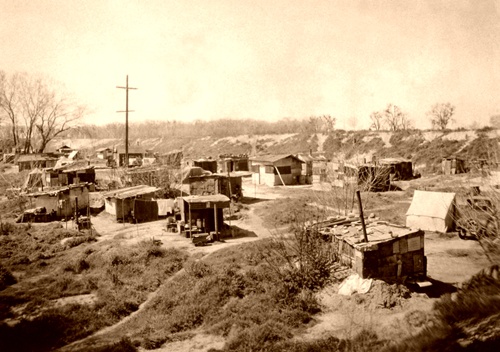
Click ALL of the following that could apply to the effects of the Great Depression
Bank failures
Unemployment rises
Rise of Banks opening
Life Savings lost
The Great Depression began in
1929
1932
1933
1919
The Bonus Army incident in 1932 best illustrates the idea that
F.D.R.'s relief programs were unsuccessful.
many felt that Herbert Hoover was not handling the Depression well.
protests by veterans during the Depression were effective.
the U.S. Army had increased in size and power during the Depression.

