
 Worksheets
cardiovascular system and circulation
Total questions: 29
Worksheet time: 19mins

A wall of tissue that separates the 4 chambers of the heart
Pulmonary Circulation
Valves
Atria
Ventricles
Septum

The top two chambers of the heart
Pulmonary Cirvulation
Valves
Atria
Ventricles
Septum

This is between the left atrium and ventricle that allows blood to flow through the chambers
Pulmonary valve
Aortic valve
Mitral valve
Tricuspid valve
Septum

The lower two chambers of the heart
Pulmonary Circulation
Valves
Atria
Ventricles
Septum

Blood vessel that returns blood to the heart from the body
Cardiac artery
Aorta
Pulmonary Vein
Vena Cava
Capillaries

Major blood vessel that carries blood away from the heart to the rest of the body
Pulmonary artery
Aorta
Vena Cava
Pulmonary Vein
Capillaries


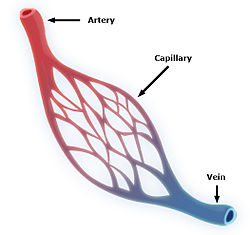

Name the upper chambers of the heart
Left atrium
Left ventricle
Right atrium
Right ventricle
Left atrium
Left ventricle
Left atrium
Right atrium
Left ventricle
Right ventricle

What is the name of the circulation between the heart and lungs?
Diastolic
Systemic
Pulmonary
Coronary


What is the function of a valve?
Helps blood to clot
Keeps blood flowing in all directions
Keeps blood flowing in one direction
Stops blood from flowing

Which part of the heart pumps deoxygenated blood to the lungs?
Left side
Right side
Top side
Bottom side

Oxygen-poor blood arrives to the heart from the the body via the _____.
aorta
pulmonary arteries
vena cava
pulmonary veins

A hollow, muscular organ that pumps blood throughout the body.
Skeleton
Heart
Vein
Artery

Another name for the circulatory system is __________________________________________ because they describe the system that consists of the heart, blood vessels, and blood.
Cardiovascular System
Heart
Vein
Artery

Pulmonary vein
carries oxygenated blood to left atrium
carries deoxygenated blood to left ventricle
carries oxygenated blood to left ventricle
carries deoxygenated blood to left atrium

In a capillary network in the lungs....
Oxygen leaves the blood and carbon dioxide enters the blood
Carbon dioxide leaves the blood and Oxygen enters the blood
Carbon dioxide leaves the blood and water enters the blood
Water enters the blood and oxygen leaves the blood

In the capillary network in the body tissues....
Oxygen leaves the blood and carbon dioxide enter the blood
Carbon dioxide leaves the blood and oxygen enters the blood
Carbon dioxide leaves the blood and water enters the blood
Water leaves the blood and carbon dioxide enters the blood

Identify the pathway of blood through the heart
Lungs - right atrium - left ventricle - aorta
Lungs - left atrium - right atrium - aorta
Lungs - left atrium - left ventricle - aorta
Lungs - left ventricle - left atrium - aorta

This part of the blood is involved in fixing cuts in the skin
White Blood Cell
Red Blood Cell
Platelet
Plasma

This blood cell does not have a nucleus
Red Blood Cell
White Blood Cell
Platelets
Plasma

This part of blood is 90% water
Red Blood Cell
White Blood Cell
Platelets
Plasma

This part of the blood is made of cell fragments
Red Blood Cells
White Blood Cells
Platelets
Plasma

This is a protein used to connect to oxygen and found in Red Blood Cells
hemophiliac
hematologist
hemoglobin
oxyglobin

