
 Worksheets
Ecology
Total questions: 69
Worksheet time: 38mins


What is the correct order for this food chain?
Owl, Mouse, Grasshopper, Grass
Grass, Mouse, Owl, Grasshopper
Grass, Owl, Grasshopper, Mouse
Grass, Grasshopper, Mouse, Owl

Which of these organisms is the secondary consumer?
Owl
Mouse
Grass
Grasshopper

Which of these organisms is the producer?
Owl
Mouse
Grasshopper
Grass
What do herbivores eat?
Animals
Plants and Animals
Plants
Dead Animals
What do omnivores eat?
Animals
Plants and Animals
Plants
Dead Animals
Place the levels of environment in the correct order.
biome, biosphere, population, organism, ecosystem,community
organism, ecosystem, biosphere, population, community, biome
organism, population, community, ecosystem, biome, biosphere
population, community, organism, biome, ecosystem, biosphere

What is the hawk in the food web?
Producer
Primary consumer
Secondary consumer
Tertiary consumer
How much energy is transferred between trophic levels?
25%
20%
10%
90%
Which of these is an autotroph?
Consumer
Producer
Decomposer
What was NOT a part of the water cycle?
Condensation
Precipitation
Decompostition
Evaporation
Group of the same species.
Community
Ecosystem
Population
All of the biotic and abiotic factors.
community
ecosystem
population


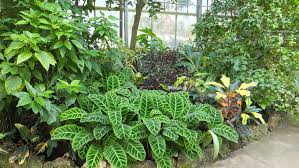


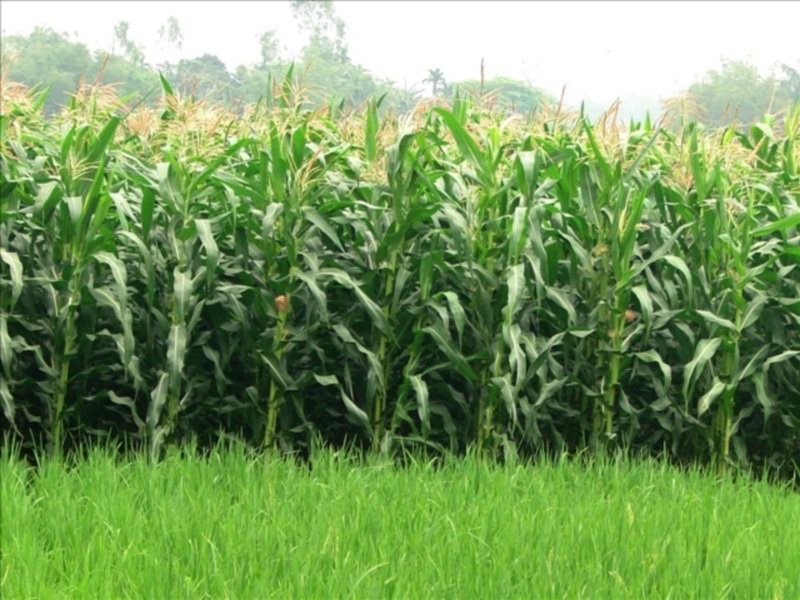
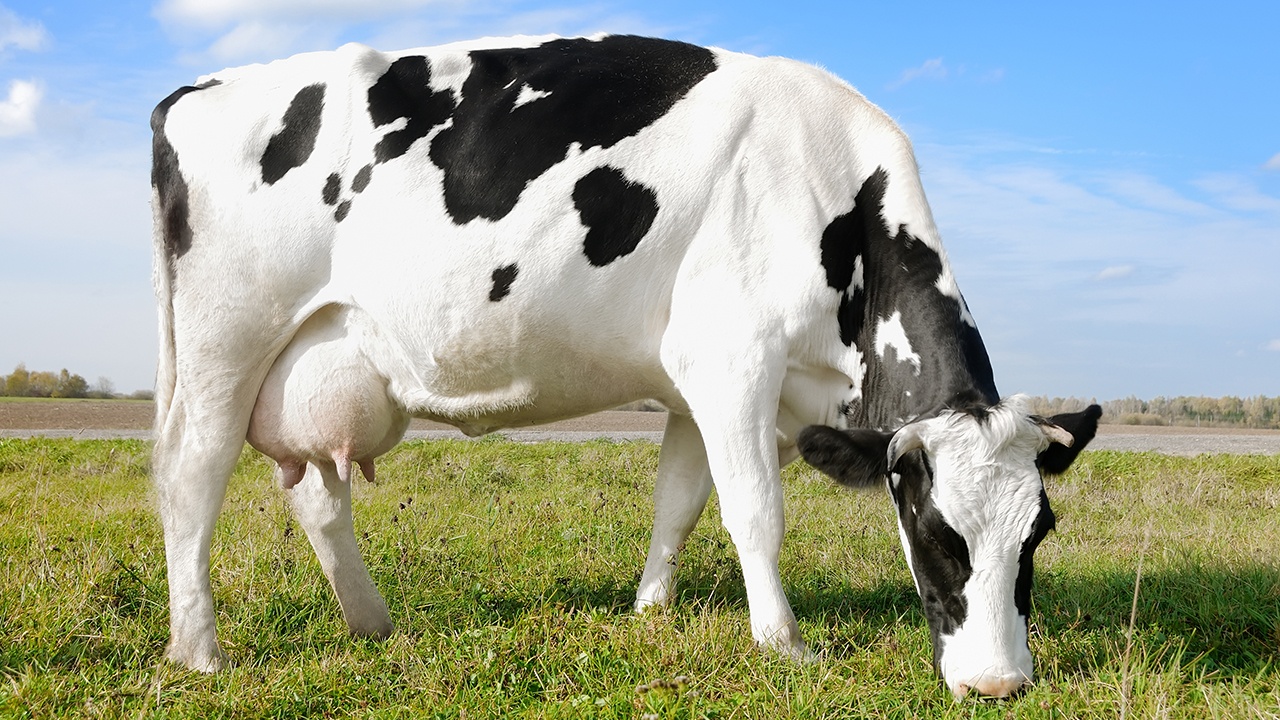


Which organisms would be at the top or last trophic level?
plant
herbivore
omnivore
carnivore
What would be a good example of a primary consumer?
carnivore
detrivore
decomposer
herbivore

What is the greenhouse effect?
It is a phenomenon where the sun’s rays are absorbed by clouds.
It is a phenomenon that occurs when heat escapes into space.
It is when heat is trapped by gases, then sent back to earth’s surface.
It describes the atmosphere’s composition.

During a fieldwork a quadrat is used:
to study the plant species.
to check the different species in a unit area.
to study the distribution and population of species in a unit area over a large area.

To measure the degree of acidity or alkalinity it requires to use a:
Wind meter
Thermometer
pH meter
Compass

To measure the temperature an instrument like in the picture is used. In a fieldwork the temperature can be checked for which of the below:
Air
Water
Soil
Plants

Some environmental factors may be measured with instruments.
What factor does a compass measure?
Direction
Temperature
Rainfall
pH of soil


What is the name of the apparatus shown?
Pooter
Beating tray
Line transect
Pitfall trap


The device shown is to dislodge insects and small animals from bushes and trees.
What is this device called?
Beating tray
Quadrat
Pooter
Line transect


A quadrat is used in studying habitats.
Which one of the following statements about the use of quadrats is NOT correct?
The quadrat should be thrown behind by the person using it.
Quadrats are sometimes made of wood.
The quadrat has a square shape.
The quadrat is used to estimate numbers of plants and small animals in an area.

In studying a woodland habitat, a student threw a pencil over her shoulder.
A second student went over to where the pencil landed and
placed a quadrat.
picked a flower.
searched for insects.
started a line transect.

The names and abundances of plants were recorded by pupils studying a habitat.
The results are shown in the table.
What is the most dominant plant in this habitat?
Grass
Clover
Plantain
Daisy

The names and abundances of plants were recorded by pupils studying a habitat.
The results are shown in the table.
Which one of the plants can be considered rarest in this habitat?
Clover
Grass
Daisy
Plantain

The photograph shows a pupil with a sweep net.
What is the sweep net used to collect?
Butterflies
Large Animals
Birds
Insects


Some students wanted to see what effect people walking in a field had on a number of different plants growing there.
In order to sample the plants, they used a quadrat as shown in the diagram.
Which one of the following would make the investigation as fair as possible?
Placing the quadrats randomly in ten different sample areas.
Placing the quadrats randomly in two different sample areas.
Placing all the quadrats where there had been lots of plants.
Placing all of the quadrats on areas that had been walked on.


