
 Worksheets
Unit 6: Kinetics Review
Total questions: 43
Worksheet time: 46mins
Catalysts permit reactions to proceed along a ___________energy path.
lower
higher
magnetic
psycho's
Smaller particle size allows for a _________ surface area to be exposed for the reaction.
larger
smaller
rectangular
spherical
Increasing the ____ causes the particles (atoms
or molecules) of the reactants to move more quickly so that
they collide with each other more frequently and with more
energy.
Catalyst
Surface Area
Temperature
Concentration
________ is the measure of how much area of an
object is exposed.
Surface Area
Catalyst
Temperature
Concentration
Grains of sugar have a greater _______ than a solid cube of
sugar of the same mass, and therefore will dissolve quicker in water.
Surface Area
Catalyst
Temperature
Concentratrion
Pick the TWO (2) options that will INCREASE the rate of a reaction.
Reducing Heat
Adding Catalyst
Adding Heat
Removing Catalyst
Which of the following will lower the rate
of reaction?
adding an enzyme to the reaction
decreasing the temperature from 40°C to
10°C
breaking a chunk of calcium up into
smaller pieces
increasing the amount of solute
dissolved in a solution
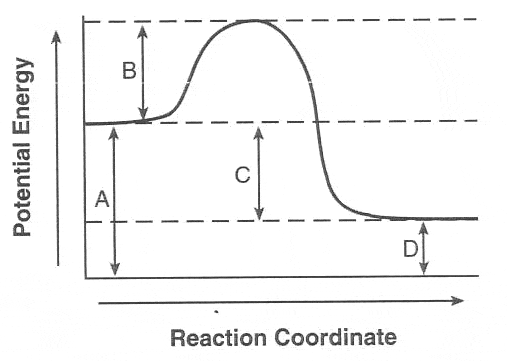
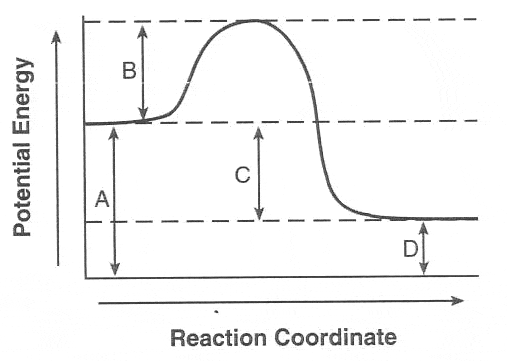
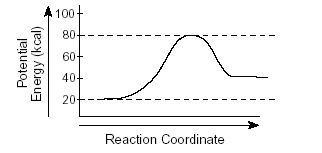
What is the ΔH of this reaction?
40 kJ
20 kJ
80 kJ
-60 kJ
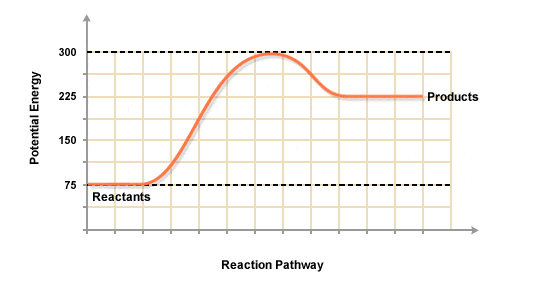
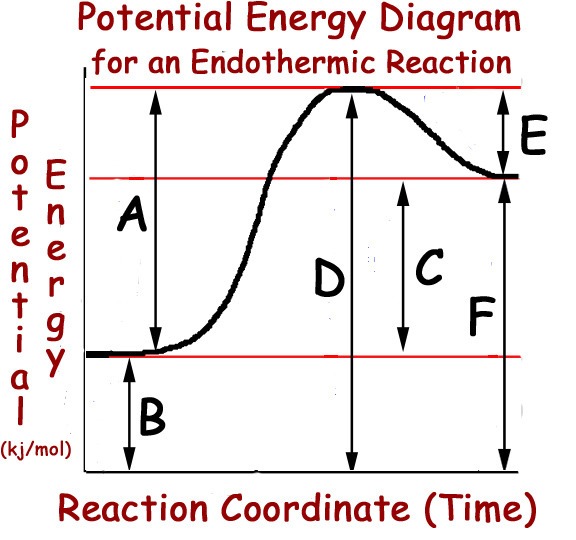
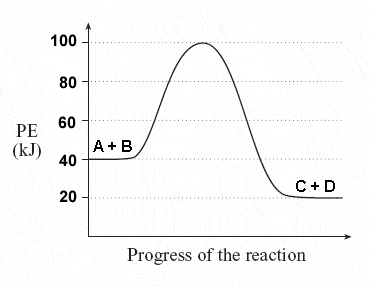
What is the change of the heat of the reaction (ΔH)?
-40 kJ
-20 kJ
100 kJ
60 kJ


What is the change of the heat of the reaction (ΔH)?
100 kJ
-175 kJ
-50 kJ
75 kJ
Which system at equilibrium will be least affected by a change in pressure?
3 H2(g) + N2(g) ↔ 2 NH3(g)
2 S(s) + 3 O2(g) ↔ 2 SO3(g)
AgCl(s) ↔ Ag+(aq) + Cl– (aq)
2 HgO(s) ↔ 2 Hg(g) + O2(g)
Given the reaction: N2(g)+O2(g)+182.6kJ ↔ 2NO(g)
Which change would cause an immediate increase in the rate of the forward reaction (i.e., cause shift toward products)?
increasing the concentration of NO(g)
increasing the concentration of N2(g)
decreasing the reaction temperature
decreasing the reaction pressure
HEAT + H2CO3 --> CO2 + H2O
If water is decreased, this reaction will shift...
right
left
no change
HEAT + H2CO3 --> CO2 + H2O
If carbonic acid is added, this reaction will shift...
right
left
no change
HEAT + H2CO3 --> CO2 + H2O
If carbon dioxide is added, this reaction will shift...
right
left
no change
HEAT + H2CO3 --> CO2 + H2O
If carbonic acid is removed, this reaction will shift...
right
left
no change
SO2(g) + O2(g) <−> SO3(g)
If the concentration of SO2(g) is increased, the equilibrium of the reaction will ___________.
SO2(g) + O2(g) <−> SO3(g)
If the equilibrium shifts to the right, the concentration of O2(g) will ___________.
What is collision theory?
Molecules must collide in the correct orientation with enough energy to bond.
Molecules need enough energy to collide and react.
Atoms constantly collide and react.
The minimum energy needed for atoms to react
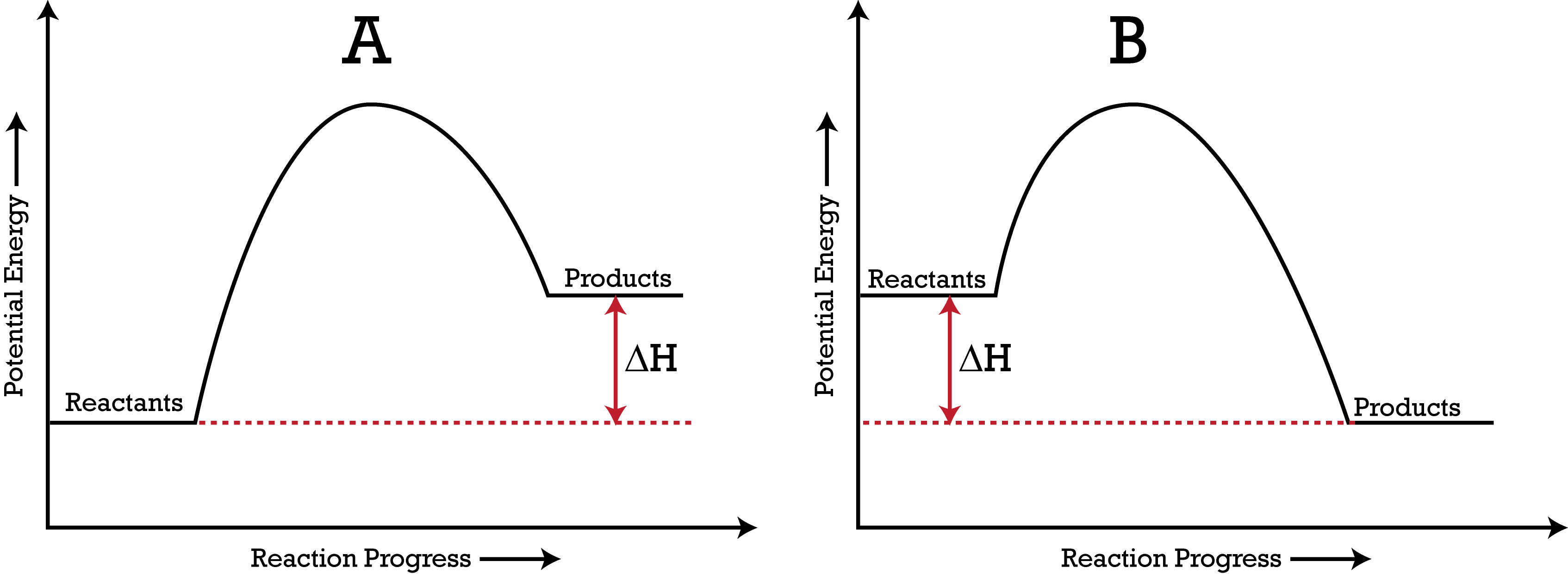
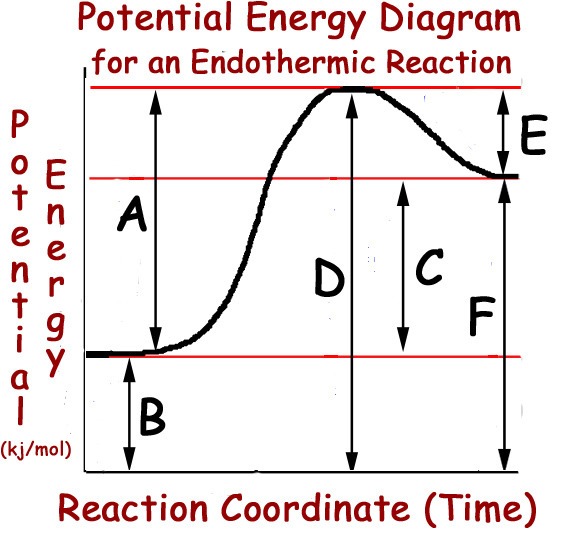
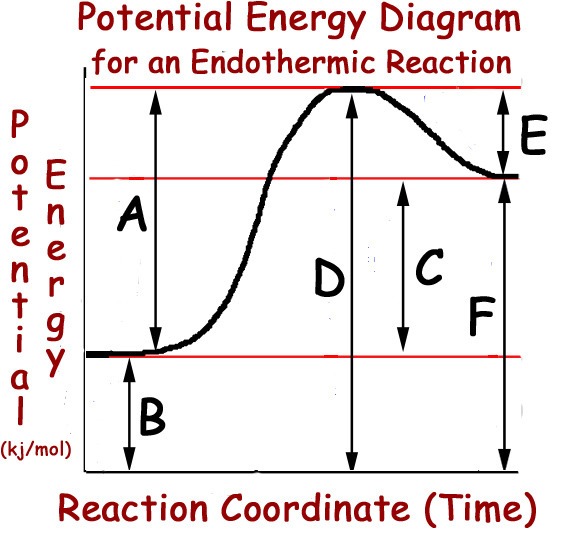
Which PE Diagram represents an endothermic reaction?
A
B
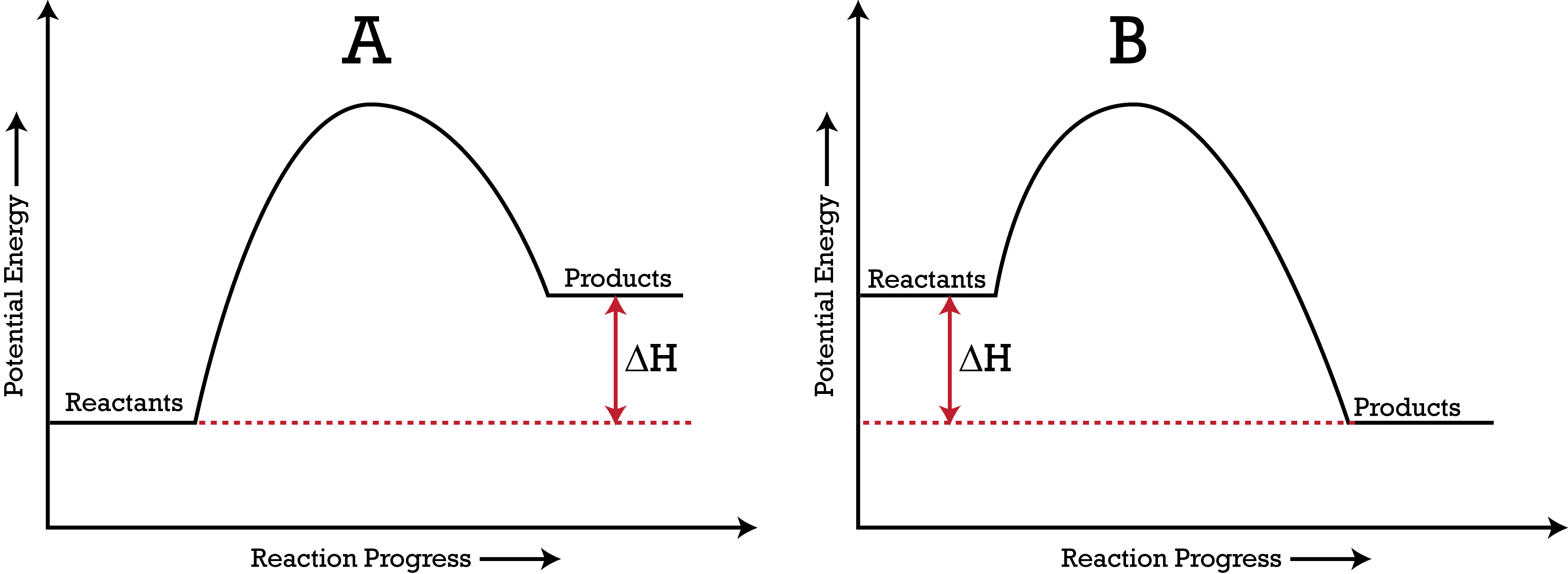
Which PE Diagram represents an exothermic reaction?
A
B
What is the purpose of a catalyst?
Helps to slow down a reaction
Raises the activation energy
Lowers the activation energy
Is consumed by the reaction
What factors effect rate of reaction?
Temperature, Concentration, Pressure and Energy
Surface Area, Concentration, Energy and Pressure
Temperature, Pressure, Concentration and Surface area
Pressure, Surface area, Density and Energy
What criteria must be met for reactant collisions to result in a successful product?
The reactants must collide with each other
The reactants must collide with enough energy and be in the right positions
The reactants must have enough energy to form the activated complex

