
 Worksheets
Homeostasis
Total questions: 15
Worksheet time: 8mins

What is mean by homeostasis?
Controls and coordinates body activities through chemical
controls and coordinates body activities through electrical impulses
For maintenance of a steady state in the internal environment
remove metabolic waste products from the cel


What is the key function of the respiratory system?
digestion of food
allows movement
exchanges gases
processes energy
____________________ helps warm the human body when we are cold.
sweating
shivering
inhaling oxygen
exhaling carbon dioxide
Body temperature rises during physical exercise. But the temperature is reduced back to normal through sweating. Which of the following biochemical processes is explained by the above statement?
Metabolism
Adaptation
Excretion
Homeostasis
During winter, our body will shivers. What is the reason?
To regulate water content in body
To regulate body temperature
To regulate blood pressure
To regulate glucose level in blood
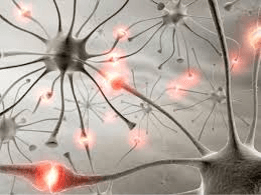
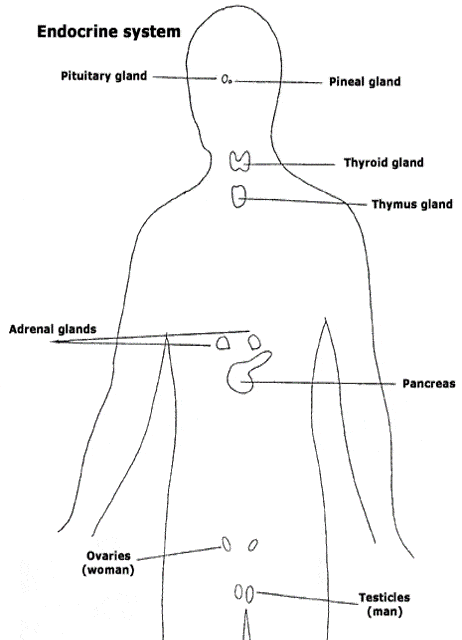
Which of the following body systems are the most involved in maintaining homeostasis?
Nervous system and respiration system
Nervous system and digestive system
Endocrine system and digestive system
Nervous system and endocrine system
What is the significant for dilation of blood vessels in skin?
To increase body metabolism
Causes more blood flow to the skin so that the heat can be eliminated
Causes less blood flow to the skin so that the heat can be conserved
To reduce sweating rate
Plants maintain homeostasis through transpiration process. How the process benefits the plants?
Increases oxygen release
Reduce temperatures to avoid denaturation of important enzymes
Helps transport of food to all parts of plant
ncreases carbon dioxide release

