
 Worksheets
WATER POLLUTION QUIZZ 1
Total questions: 90
Worksheet time: 45mins

Water pollution occurs when:
Harmful substances enter a water supply
Industries dispose of waste safely and correctly.
Industries cut costs with waste disposal.
None of the above.

We can prevent water pollution by:
Reduce the use of plastic.
Properly dispose of chemicals.
Clean up after your animals.
All of the above
There is nothing we can do to stop water pollution.
True
False
What are the main sources of water pollution?
Plastic, Paper, and Metal
Snails in water
Help, there is a boot with a snake inside of it that somehow in the nearby lake.
Agriculture, Industry, and Community
Who does water pollution impact?
Shrek and his swamp
my water inside of my Fiji water bottle ಠ╭╮ಠ
Only us people
Everything on the planet
Animals only
Which of the following is not a natural cause of water pollution?
Volcanoes
Animal waste
Oil spills
Silt from storms and floods
What can happen to fish when there is not enough oxygen in the water?
They can suffocate
They can't float
They can't see.
Nothing. Fish don't need oxygen.
3 things water pollution causes:
Death of animals
Habitat destroyed
Humans sick
Lung damage
water pollution includes
organisms in water that cause disease
water that is too cold
high amounts of dissolved oxygen
all of these options
which of the following might count as water pollution?
water that is too hot
water that has too much dissolved oxygen
water that doesn't have enough phosphate
water that doesn't have enough nitrate
which is a category of water pollution?
sediment
medical
food
dihydrogen monoxide
too much phosphate in water is what category of water pollution?
organic
inorganic
nutrient
heat
what is true about eutrophication in lakes and other bodies of water?
it is always natural
it is always artificial
it can cause too much algae to grow
none of these are true
Lead in water is what kind of water pollution category?
organic
inorganic
nutrient
disease-causing organisms
phosphate can get into water because of what substances causing water pollution?
cleaning products
fertilizer
sewage
all of these options
Why do algae blooms happen?
there are too many nutrients in the water
there are too many fish in the water
there is not enough turbidity in the water
all of these options
what can be toxic?
coffee
water
juice
all of these options
what is true about water pollution?
all water is polluted
there is a way to make water 100% pure
nutrients are not pollutants
all of these are true
another way to talk about water pollution is to talk about water ______
quantity
speed
quality
all of these options
water pollution can be
biological
temperature
physical
all of these
water regulations usually start around
parts per ten
parts per hundred
parts per thousand
parts per million
the problem of Jaffrey Lake is based on
artificial eutrophication
natural eutrophication
not enough nutrients in the lake
too much dissolved oxygen in the lake
what does it mean to degrade water quality?
water is good
water is ok
water passes regulations but probably isn't pleasant
water is bad
what is turbidity?
how clear the water is
how much oxygen water has
how much phosphate water has
how much nitrate water has
warmer water tends to have
more dissolved oxygen
less phosphate
less nitrate
none of these
water with a pH of 14 is
acidic
basic
neutral
safe to drink
what can cause water pH to change?
mining waste
industrial pollution
agricultural runoff
all of these options
what can increase levels of nitrate in water?
sewage
pesticides
mining waste
all of these options
An underground water supply is...
erosion
river
water shed
aquifer
Pollution traced to a single point
water shed
permeable
point source pollution
non-point source pollution
Allowing liquids to pass through, such as water through the ground
permeable
pollution
impermeable
yup, you know it
The Portion of water that flows across the surface that does not soak into the ground and runs into water bodies
what
fertilizer
erosion
runoff
Liquids cannot pass through
permeable
nope
erosion
Impermeable
Small particles that is made up rocks, soil
river basin
impermeable
water
sediment
The gradual downward flow of water that soaks into surface
river
erosion
infiltration
water uptake
Pollution that cannot be traced to a single point because comes from many sources
estuary
water shed
non point source pollution
point source pollution
The water found in cracks and pores in sand, gravel and rocks below the surface
sediment
ground water
ocean water
surface water
The wearing away of the earth’s surface by water, wind or ice
river basin
pollution
ocean waves
erosion
A chemical sprayed to kill insects or bugs.
aquifer
fetilizer
herbicide
pesticide
Taking care of natural resources like water, or soil...
infiltration
point source pollution
conservation
erosion
Planting trees, grass, or any plant to create a "natural fence" to protect water from pollutants
fertilizer
drought
vegetative buffer
infiltration
The land that water flows across or under on its way to a stream, river, or lake is called...
conservation
land form
runoff
watershed
? is the portion of land drained by a river and its tributaries.
River Basin
Aquifer
Erosion
Watershed

What percentage of the Earth's fresh water is available to us?
97 %
7 %
1 %
50 %

What word in the text tells us that the Earth's water supply is limited?
Accessible
Finite
Degrading
Jeopardizing

An example of a waterborne disease is:
Cholera
Giardia
Typhoid
All of the above.

A rapid growth of algae could lead to:
A reduction of oxygen levels in the water.
Water that can support more life.
Waters that are devoid of life.
An increase in oxygen levels.

Examples of marine debris are:F
Plastic bags
Coral reefs
Fishing equipment
Soda cans
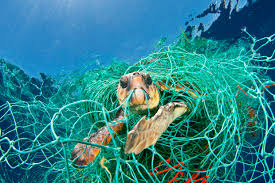
Marine debris can cause animals to:
Starve
strangle
Suffocate
all of the above.

Industrial and municipal pollutants can cause:
Hormone disruption
Altered brain function
Super powers
None of the above.
There is nothing we can do to stop water pollution.
True
False
Water pollution occurs when:
Harmful substances enter a water supply
Industries dispose of waste safely and correctly.
Industries cut costs with waste disposal.
None of the above.
We can prevent water pollution by:
Reduce the use of plastic.
Properly dispose of chemicals.
Clean up after your animals.
All of the above
How much of water on Earth is FRESH SURFACE water?
0.3%
3%
97%
30%
Canada's lakes have _____ % of the world's surface freshwater
20
60
100
0.03
Where is the majority (>60%) of the world's surface freshwater?
Canada
Near unpopulated areas
In large cities
On islands
How many gallons of water are used from Lake Michigan EACH DAY?
100
1 billion
3 million
1 million
What is virtual water?
Water on a computer screen
Water that is salty
Amount of water to create a product
Water that is frozen
Which of the following affects how freshwater is used?
Age
Population size
Education
GPA
What does "potable" mean?
Safe to drink
Frozen
Liquid water
Dirty water
Which of the following is an unsafe material that can be found in drinking water?
Fish
Pathogens
Minerals
None of these
In industrial water use, what is most of it used for?
Toilets
Cooling power plants
Making goods
Waste disposal
What is water used for in agriculture?
As a pesticide
Cleans crops
Water parks
Irrigation
Water pollution occurs when:
Harmful substances enter a water supply
Industries dispose of waste safely and correctly.
Industries cut costs with waste disposal.
None of the above.
A rapid growth of algae could lead to:
A reduction of oxygen levels in the water.
Water that can support more life.
Waters that are devoid of life.
An increase in oxygen levels.
There is nothing we can do to stop water pollution.
True
False
Why is pollution so bad?
It harms the environment
It harms animals
All of the above
What is an example of harm on marine animals?
They can find plastic to play with
They can eat the plastic
How does plastic end up reaching and entering the ocean from land?
Littering in towns and cities
Dumpsites near waterways and oceans
People littering on beaches
All of the above
What happens to plastic waste?
Sinks to the bottom and gets buried under the sand
It never fully goes away, it just breaks into little pieces
Dissolves and decomposes in the water
It is dumped in the ocean for fish to eat
Which of the following statements is true?
Humans do not throw trash into the oceans.
Humans have thrown trash into the oceans for hundreds, if not thousands, of years.
Humans started throwing trash in the ocean only a few years ago.
Trash in the oceans is not harmful to plants, animals, or people.
What can happen if oil shipments are not handled properly?
The price of oil will go down.
The oil will spill into the ship that carries it.
Airplanes will have to transport oil.
The oil can spill into the ocean.
The pesticides used in which fields ?
Agriculture field
Industrial field
Both fields

