
 Worksheets
Glaciers & Water Cycle Prep
Total questions: 27
Worksheet time: 24mins
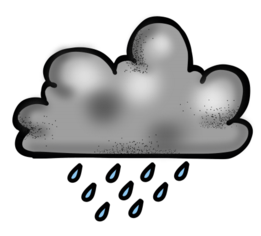
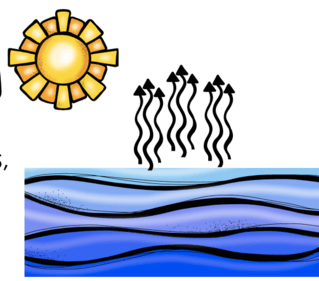

What would happen if the Sun is removed from the water cycle?
The water cycle would not include precipitation but would continue with groundwater flow.
The water cycle would no longer occur because the Sun provides the energy for evaporation and transpiration.
The water cycle would no longer occur because the Sun provides energy for the formation of clouds.
The water cycle would not include evaporation and transpiration but would continue with condensation.

The image shows various stages in the water cycle. During which stage does water flow back towards the sea as runoff?
W
X
Y
Z

Analyze the diagram of the water cycle with processes J, K, L, M, X, and Y labeled. What is significant about the process labeled L?
Condensation is the conversion of water vapor into water droplets.
Precipitation is the release of liquid or frozen forms of water from the atmosphere.
Evaporation is the conversation of surface water into water vapor to return to the atmosphere.
Transpiration is the release of water vapor from plants back into the water cycle.

Analyze the diagram of the water cycle with processes J, K, L, M, Y, and Y labeled. What do the arrows X and Y represent?
Sea and land breezes along the coastline.
Formation of dew as cold air sinks.
Run-off of surface water and movement of ground water toward sea level.
Tidal flooding and erosion of the river bank.
When a liquid changes to a gas?
evaporation
condensation
precipitation
transpiration
When a gas (water vapor) changes to a liquid
condensation
evaporation
transpiration
precipitation

What type of glacier forms in a mountainous area?
valley
continental
till
moraine

What type of glacier covers huge areas of land?
alpine
continental
till
moraine

unsorted rock material deposited directly by ice as it melts
glacial drift
stratified drift
till
glacier

What are sharp pyramid shaped peaks formed by alpine glaciers called?
U-shaped valleys
cirques
aretes
horns

What are jagged ridges that form on mountains called?
U0shaped valleys
cirques
aretes
horns
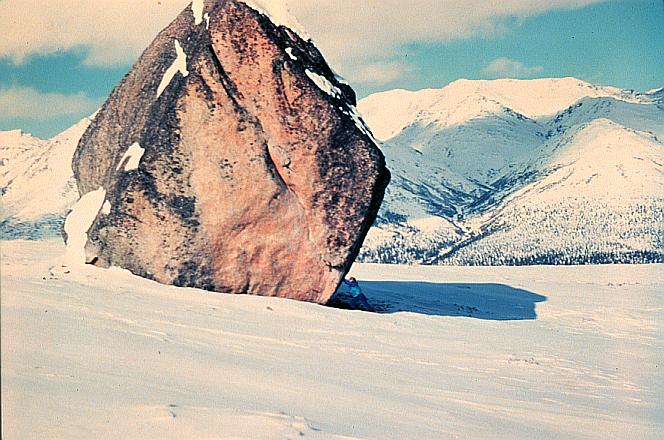
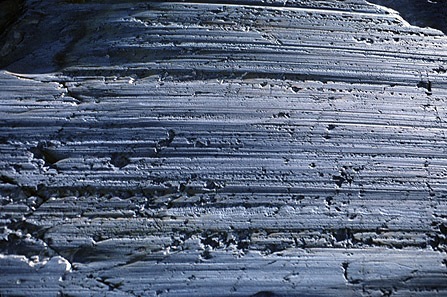
Glaciers are made of compacted snow over a period of time.
False
True
Glaciers can be found in hot regions.
True
False
Glaciers move because of
Weathering
Gravity
Tumbling
Salting
An area that feeds multiple glaciers is called a:
cirque
morraine
icefield
erratic
A large crack in the glacier is referred to as a:
crevasse
cirque
millwell
crater

