
 Worksheets
Q2 ELECTRICITY AND MAGNETISM REVIEWER
Total questions: 20
Worksheet time: 28mins
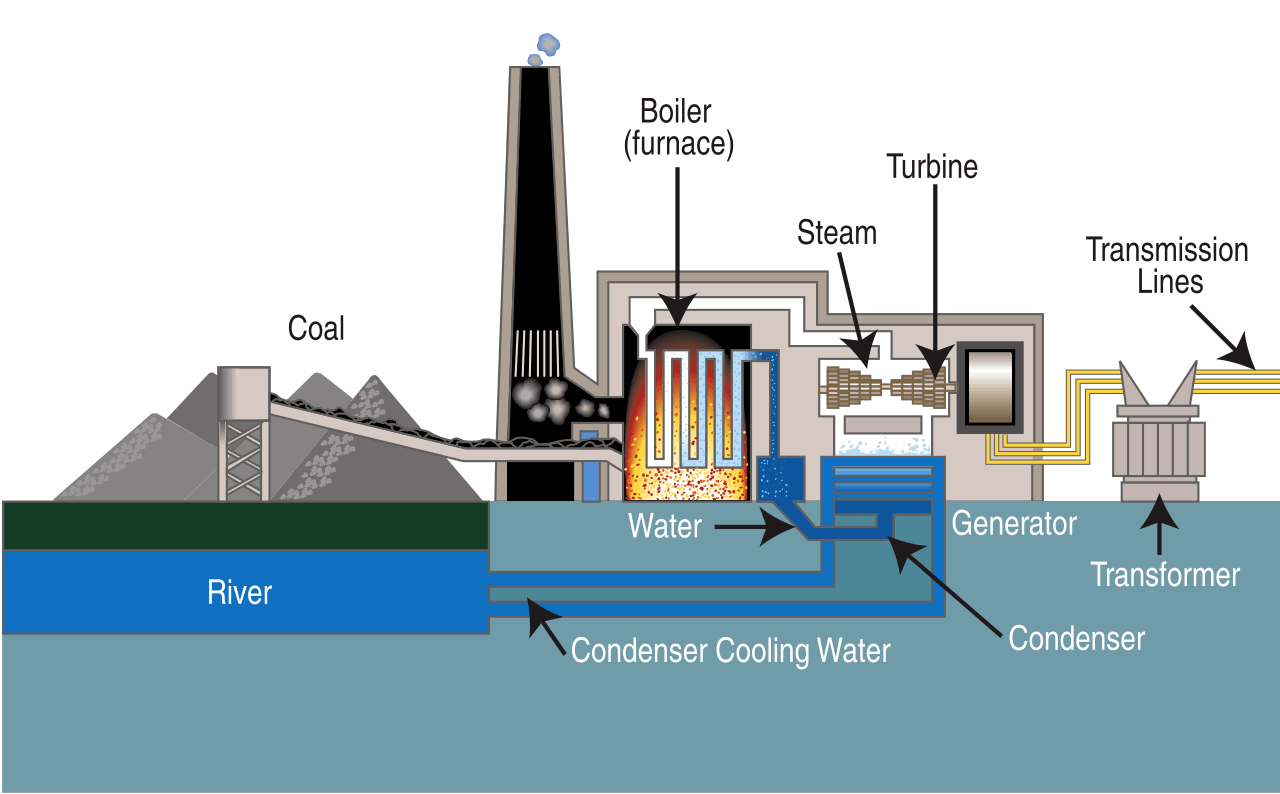
How are fossil fuels used to generate electrical energy?
Heat from burning fuel creates steam that spins a turbine.
Heat from burning fuel spins magnets inside an electric motor.
Heat from burning fuel causes an electric motor to produce a current.
Heat from burning fuel creates steam that turns a transformer.
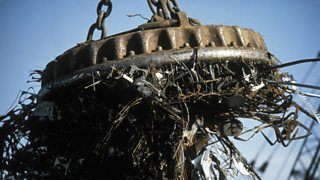
A temporary magnet that only works when electricity is passed through wires surrounding an iron core is called:
electromagnet
galvanometer
induction
super conductor magnet
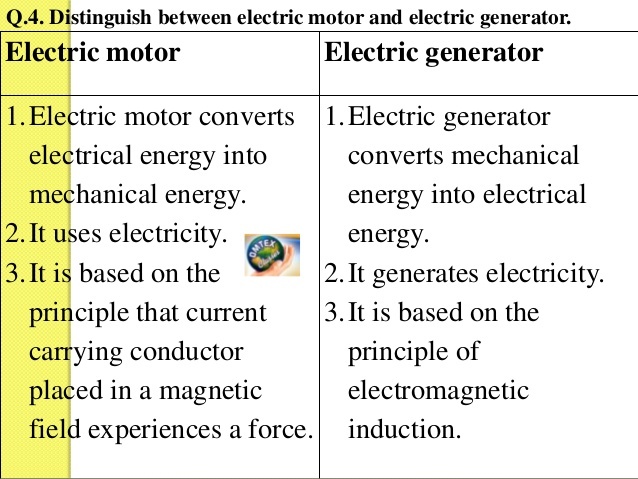
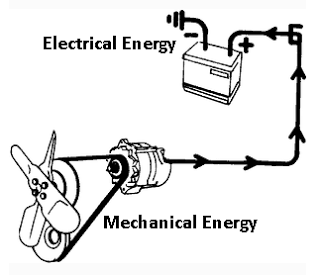
What is the transfer of energy in when you plug in a motor and it spins?
chemical to mechanical
electrical to mechanical
mechanical to electrical
physical to potential
Voltage is
the potential electrical energy or push that makes electrons flow
causes a short circuit with electrical energy
is the term used for rate of charge flow
Wastes energy by allowing current to flow
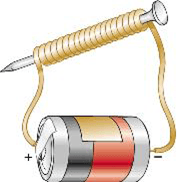
You can increase the strength of an electromagnet are increasing the current, adding iron to the core, and .....
increasing the number of coils on the magnet
Decreasing the number of coils on the magnet
Dividing the number of coil
What would happen if you broke a bar magnet into 8 pieces?
You would have 8 half magnets
You would have 4 complete magnets
You would have 8 complete magnets
They wouldn't be magnets anymore

Why did this simple electric motor work?
The current from the battery induces a magnetic field in the copper loop, turning it into an electromagnet that repels from/attracts to the permanent magnet
The electromagnet on top of the battery pulls on the magnetic copper wire
The magnet induces a current in the copper loop which makes it rotate.
The magnetic field from the battery induces an electric current in the copper loop, turning it into an electromagnet that repels from/attracts to the permanent magnet
Which device can be used to determine the polarity of an unmarked magnet?
a charged glass stirring rod
a gold-leaf electroscope
a sprinkle of iron filings
an improvised compass
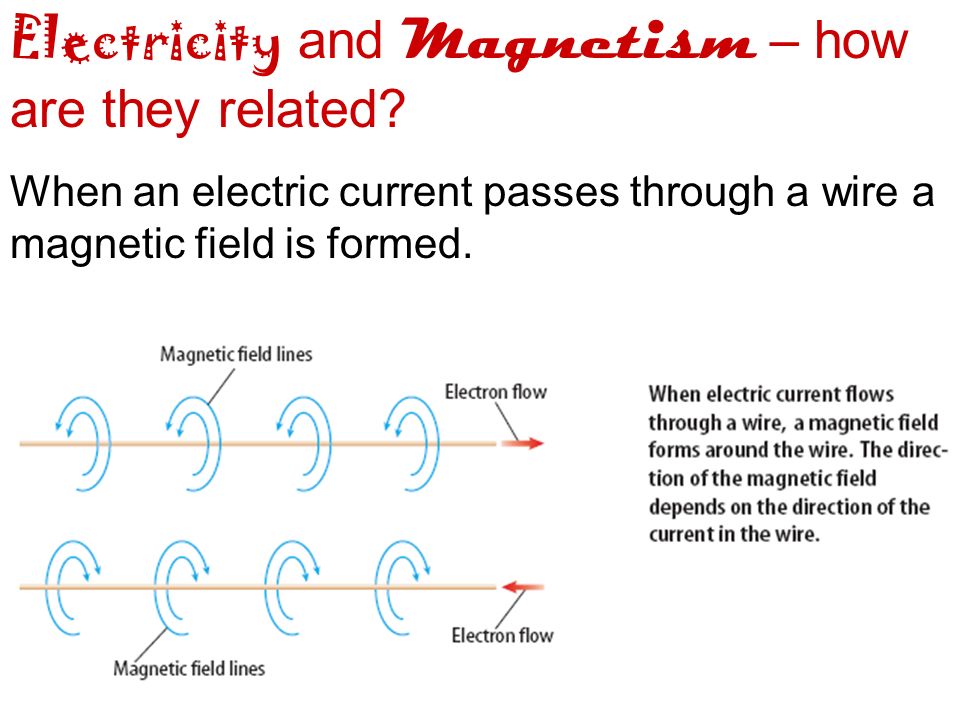
How will you describe the magnetic field around a straight current-carrying wire?
The magnetic field is strongest near and around the wire.
The magnetic field consists of straight lines parallel to the wire.
The magnetic field does not vary with the distance from the wire.
What basic principle enables ALL electric motors to operate?
Iron is the only element that is magnetic.
Opposite electric charges attract and like charges repel.
A moving conductor within a magnetic field will experience an electromotive force.
a current-carrying conductor placed within a magnetic field will experience a magnetic force.

The metal detectors that people walk through at airports operate via
Coulomb’s law
Faraday’s law
Ohm’s law
Newton’s law
A magnetic substance becomes a magnet when placed near a real magnet because of,
magnetic effect
magnetic phenomenon
magnetic induction
electromagnetic induction

