
Font size
 Worksheets
Nervous System Test
Total questions: 38
Worksheet time: 33mins


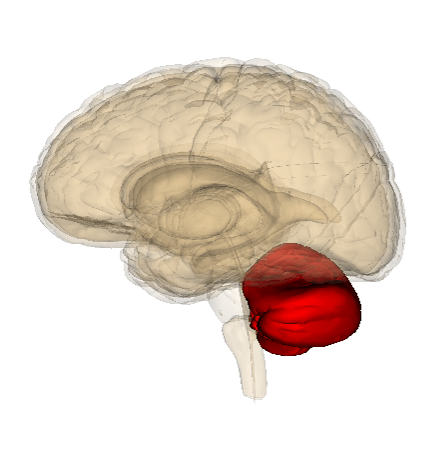
The dark red shaded portion is the ________
Cerebrum
Cerebellum
Brain Stem
Diencephalon
The junction between the axon tip of the sending neuron and the dendrite or cell body of the receiving neuron.
axon
synapse
dendrite
vesicle


Which of the following divisions of the nervous system controls voluntary behaviors?
Sympathetic
Parasympathetic
Autonomic
Somatic
Afferent
The sympathetic and parasympathetic nervous systems together make up which division of the nervous system?
Central
Autonomic
Somatic
Peripheral
Regional
An electrical impulse within a single neuron is called a
synapse
membrane potential
action potential
cell body
This neurotransmitter is linked to feelings of pleasure, euphoria, and reward.
dopamine
serotonin
substance p
glutamate
endorphins

Which part of the brain controls your balance and coordination?
brain stem
occipital lobe
cerebellum
frontal lobe
This part contributes to controlling your emotions (associated with the limbic system) and has important autonomic functions including; cardiovascular, temperature, appetite and gastrointestinal control.
thalamus
hemisphere
hypothalamus
cerebrum
This part contributes to controlling your emotions (associated with the limbic system) and has important autonomic functions including; cardiovascular, temperature, appetite and gastrointestinal control.
thalamus
hemisphere
hypothalamus
cerebrum
_______ plays a key role in Reward Pathways and is implicated in addictive disorders
Acetylcholine
Serotonin
Dopamine
GABA

Identify the thalamus.
C
B
G
H
Identify the corpus callosum.
C
A
F
H
Identify the arbor vitae.
C
E
D
H
Identify the pineal gland.
C
E
D
H
What kind of receptors in the eye?
mechano...
chemo....
thermo...
photo....
impulses from the eye photoreceptors travel to the brain by the:
auditory nerve
electric nerve
impulsic nerve
optic nerve
The nose sensory receptors are called
olfactory receptors
chemomechanoreceptors
thermochemoreceptors
none of the above
the part of the inner ear that converts sound into electrical impulses is called the
tempanic membrane
anvil
chochlea
oval window
Skin has the following sensory receptors except:
thermoreceptor
pain receptor
mechanoreceptor
chemoreceptor

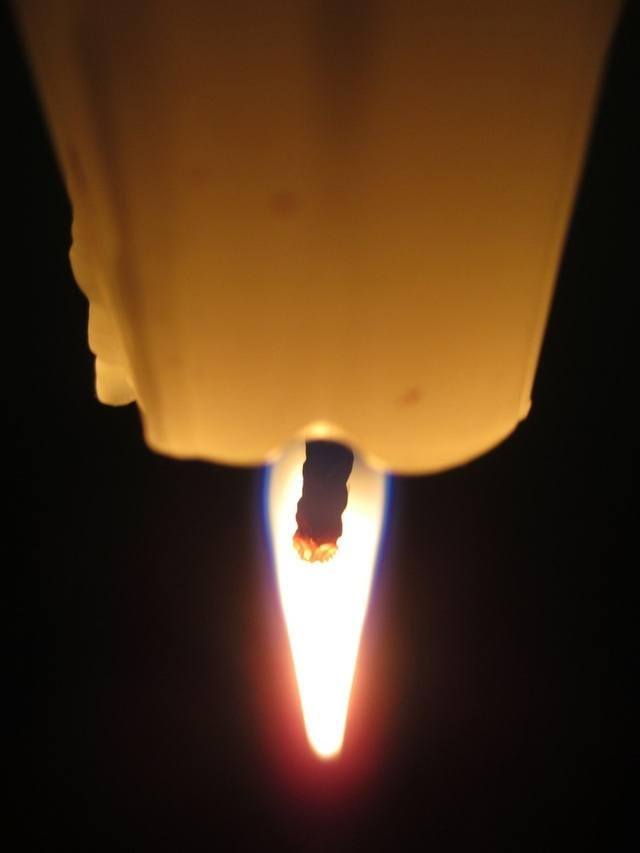
The sensory receptors that allow you to feel PAIN are called ________________.
nociceptors
sensory neurons
interneurons
motor neurons
Which TWO senses are caused by CHEMICALS?
**Choose TWO.
taste
smell
sound
vision
What do scientists call the "big picture" of where brain functions are controlled?
Self-portrait
Autorretrato
Homunculus
None of the above
Your fingers have ___________ sensory receptors than the skin on your knee.
More
Fewer
The same number of
None of the above

