
NEW
Font size
 Worksheets
Chapter 56- Oral Surgery
Total questions: 27
Worksheet time: 12mins
What type of surgical procedure would a general dentist most commonly perform?
single extraction
removal of impacted teeth
reconstructive surgery
biopsy
How can a dental assistant further his or her career as a surgical assistant?
Obtain a dental hygiene degree
Obtain a nursing degree
Obtain continuing credentials in oral and maxillofacial surgery
Obtain a dental degree
In what type of setting are oral surgery procedures completed?
dental office
outpatient surgical center
hospital
all of the above
Most oral and maxillofacial procedures are considered _______.
medical procedures
dental procedures
major surgery
minor surgery
The periosteal elevator is used to reflect and retract ____.
gingival tissue
lips
teeth
periosteum
Universal forceps are designed to be used for _____.
left or right of the same arch
left or right of the opposite arch
right side only
left side only
What surgical instrument resembles a spoon excavator?
rongeur
scalpel
elevator
surgical curette
What surgical instrument is used to trim and shape bone?
Rongeur
scalpel
surgical curette
elevator
If a chisel is placed on a tray setup, what additional surgical instruments must be set out?
Elevator
Scalpel
Mallet
Hemostat
What equipment is used to perform a surgical scrub?
Orange stick
antimicrobial soap
scrub brush
all of the above
The term donning means ______.
taking off
putting on
procedure
prior to
What procedure is generally completed by the surgeon following the removal of multiple adjacent teeth?
A-Implants
B-sutures
C-alveoplasty
B or C
When a tooth is directly under the gingival tissue, it is said to be ________.
ankylosed
soft tissue impacted
exposed
hard tissue impacted
__________is completed when cells are scraped from a surface lesion.
incisional biopsy
excisional biopsy
Exfoliative Cytology/Biopsy
surgical biopsy
The term suture refers to _____.
impaction
stitching
control of bleeding
multiple extraction
Which is absorbable suture material?
silk
polyester
nylon
catgut
What is the approximate time frame for the removal of non-absorbable sutures?
1-3 days
4-6 days
5-7 days
12-14 days
How long should the patient be instructed to keep sterile gauze on the surgical site to control bleeding?
30 minutes
2 to 3 hours
12 hours
24 hours
What analgesic may be prescribed for mild pain?
antibiotic
ibuprofen
aspirin
codeine
What should you instruct a patient to place to control swelling during the first 24 hours?
gauze pack
teabag
cold pack
heat pack
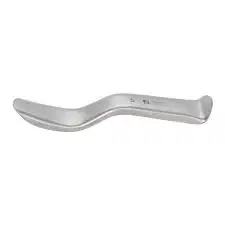
This is a rongeur, used for cutting bone.
Both statements are TRUE
Both statements are FALSE
The first statement is TRUE, and the second is FALSE
The first statement is FALSE and the second is TRUE

Identify this instrument
Minnesota
Hemostat
Anterior Forcep
Biteblocl
What is recommended for the rinsing process?
You can rinse when you get home
You can rinse vigorously
Rinse 24 hours after surgery
Rinse before toothbrushing
Complication following tooth extraction involving the loss of the blood clot, leaving a "dry socket" that can be very painful
Trismus
Suture
Alveolitis
Parethesia
Surgical contouring of the alveolar bone
Tinnitus
Biopsy
Crepitus
Alveoplasty
Surgical removal of a small amount of tissue
Trismus
Biopsy
Suture
Tinnitus
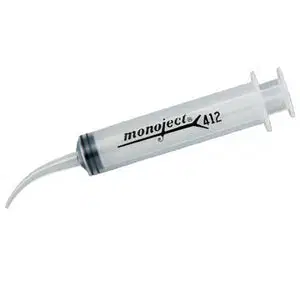
Name the liquid that goes in here during an extraction
Hydrogen Peroxide
Sodium HypoChlorite
Alcohol
Sodium Chloride

