Worksheets
Biology Keystone Review-Part 1
Total questions: 25
Worksheet time: 25mins
Which characteristic is shared by both prokaryotes and eukaryotes?
have organ systems
make their own food
contain genetic material
need oxygen gas to breathe
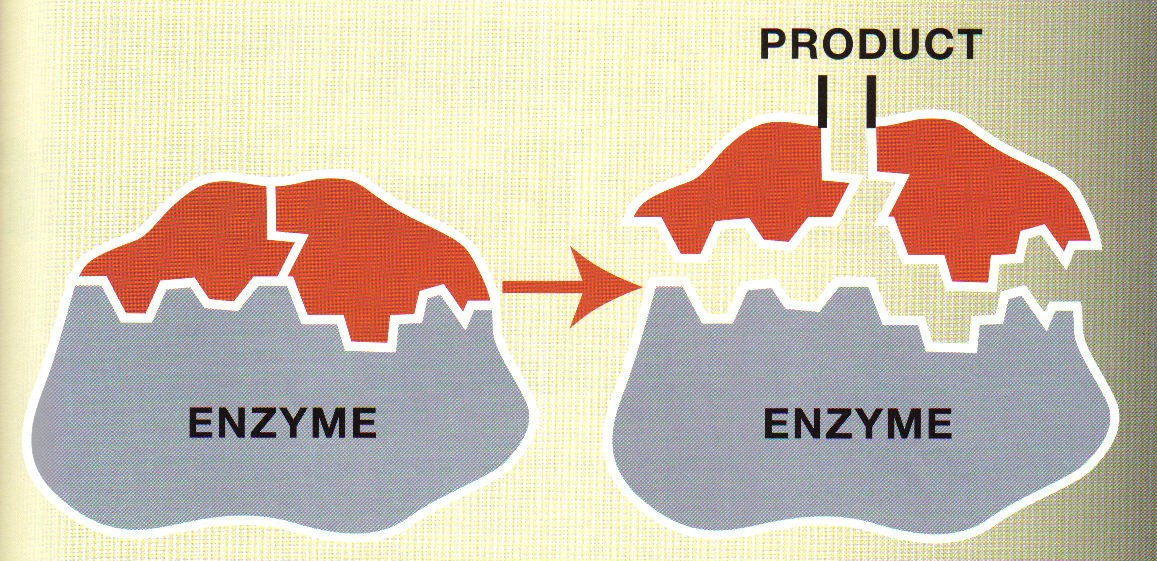
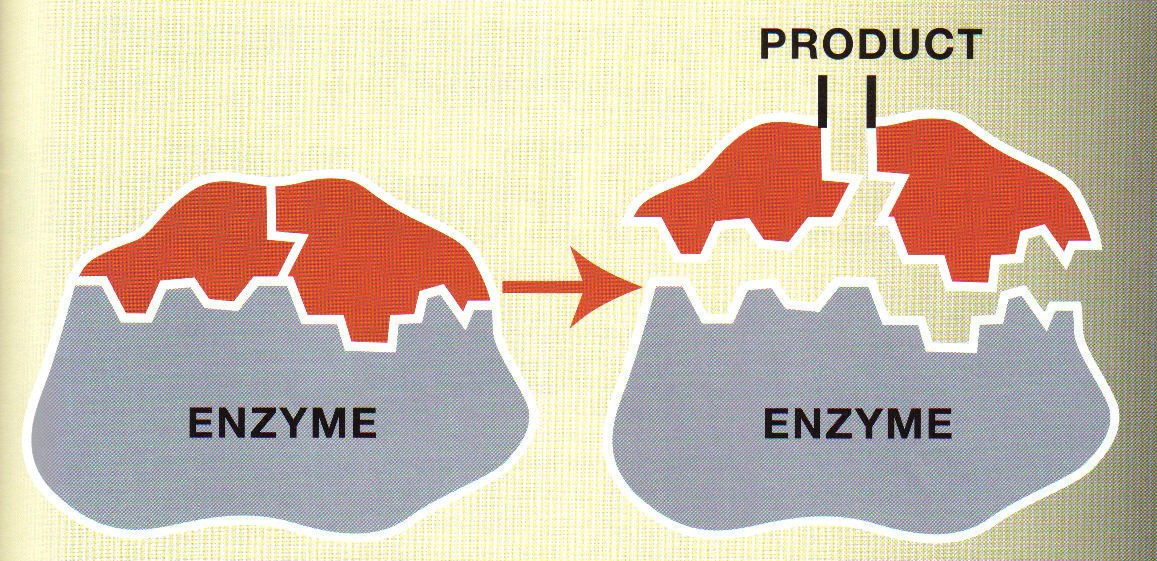
Which action must occur for an enzyme to catalyze a chemical reaction?
a competitive inhibitor must first bind to an active site
a substrate must bind to an active site of the enzyme
a substrate must bind to an allosteric site of the enzyme
a noncompetitve inhibitor must first bind to an active site
Carbon can combine with many different elements but frequently combines with oxygen, hydrogen, and nitrogen to form organic molecules. Which statement best explains why carbon is able to form a large number of different molecules?
carbon forms only ionic bonds
carbon can form only ring structures
carbon can form four covalent bonds
carbon forms small, simple structures
Which statement correctly describes how a protein is formed?
a monosaccharide bonded to a side chain is broken apart
amino acids are bonded together in a long chain to form a new molecule
a molecule containing glycerol bonded to three fatty acids is broken apart
a nitrogenous base, a sugar, and a phosphate group combine to form a new molecule

Which cell process is best modeled by the diagram?
osmosis
exocytosis
passive transport
facilitated diffusion
A scientist observed that during the course of a chemical reaction the number of ATP molecules was reduced. What did the scientist most likely learn from the observation?
the reaction produced water
the reaction consumed water
the reaction caused an output of energy
the reaction required an input of energy
Which structure and function are common to all plants and some protists and distinguish them from all animals?
chloroplasts that conduct photosynthesis
mitochondria that conduct photosynthesis
chloroplasts that conduct cellular respiration
mitochondria that conduct cellular respiration
Which process uses the products of photosynthesis as reactants?
active transport
cellular respiration
DNA replication
protein synthesis


Hydrogen bonds are VERY important in determining the many properties of this very important molecule
Water
Carbon Dioxide
Oxygen Gas
Which of the following its the correct order of the biological hierarchy from simple to complex?
Atom --> Macromolecules --> Organelle --> Cell
Cell --> Organelle --> Macromolecule --> Atom
Atom --> Macromolecule --> Cell --> Organelle
Macromolecule --> Organelle --> Atom --> Cell


Which of the following is the monomer of a carbohydrate?
Triglyceride
Fatty acid
Monosaccharide
Polysaccharide
Which of the following is the monomer of a lipid?
Polysaccharide
Monosaccharide
Fatty acid
Triglyceride
Enzymes belong to which class of macromolecules?
lipids
carbohydrates
proteins
nucleic acids