
Font size
 Worksheets
Lesson 1 & 5 Test
Total questions: 40
Worksheet time: 30mins
Which body system is responsible for removing waste from your body?
reproductive
nervous
circulatory
excretory
Which body system is responsible for producing offspring?
nervous
cardiovascular
reproductive
excretory
This body system consists of the brain, nerves, spinal cord, and sensory organs.
cardiovascular
excretory
respiratory
nervous
Which two body systems are most responsible for getting oxygen to the cells?
skeletal and muscular
circulatory and respiratory
circulatory and reproductive
nervous and excretory
This system provides the body with support, shape, and it helps to protect vital organs.
nervous
respiratory
skeletal
muscular
____________________ helps warm the human body when we are cold.
sweating
shivering
inhaling oxygen
exhaling carbon dioxide
Glenn is looking at a diagram that illustrates an organ
system in the human body, but the system is not
identified. He claims that it is the endocrine system.
Glenn is correct if the diagram includes
a heart connected to blood vessels.
a brain connected to the spinal cord and nerves.
an air passage to the lungs and a pair of lungs.
glands such as the pituitary and thyroid.
The heart is part of two organ systems. What are these systems? (choose both)
Cardiovascular
Respiratory
Digestive
Muscular
While you are batting, you see the pitcher throw the ball and your brain sends a message to your arms and you swing the bat. Which organ systems are involved in this action?
Muscular and Lymphatic
Cardiovascular and Endocrine
Muscular and Nervous
Nervous and Cardiovascular
A cat's heart and a human's heart have a similar structure because...
They are both dyed red.
They have the same function.
They have the same arrangement.
They are both animals.
This organ system sends electrical messages.
Endocrine
Lymphatic
Skeletal
Nervous
Balance and coordination are most associated with the
cerebrum
pituitary
brain stem
cerebellum


The ______________ is the largest part of the brain
Cerebrum
Cerebellum
Pancreas
Brain Stem

What does the cerebrum do?
Controls thinking and problem solving
Controls involuntary processes
Controls balance and coordination
Keeps track of body position
Which part of the brain connects to the spinal cord and controls heart rate and blood pressure?
Brain Stem
Cerebrum
Cerebellum
Occipital Lobe

Which is the following is represented by the letter B?
cell body
nucleus
dendrite
axon

Which of the following is represented by letter C?
Cell body
nucleus
axon
dendrite

Which is represented by the letter G?
axon
axon terminal
dendrite
cell body

Which is represented by the letter H?
axon
dendrite
cell body
axon terminal
Type of neuron that sends information about your environment to your brain.
Motor Neuron
Sensory Neuron
Type of neuron that sends messages from your brain to muscles and glands.
Motor Neurons
Sensory Neurons
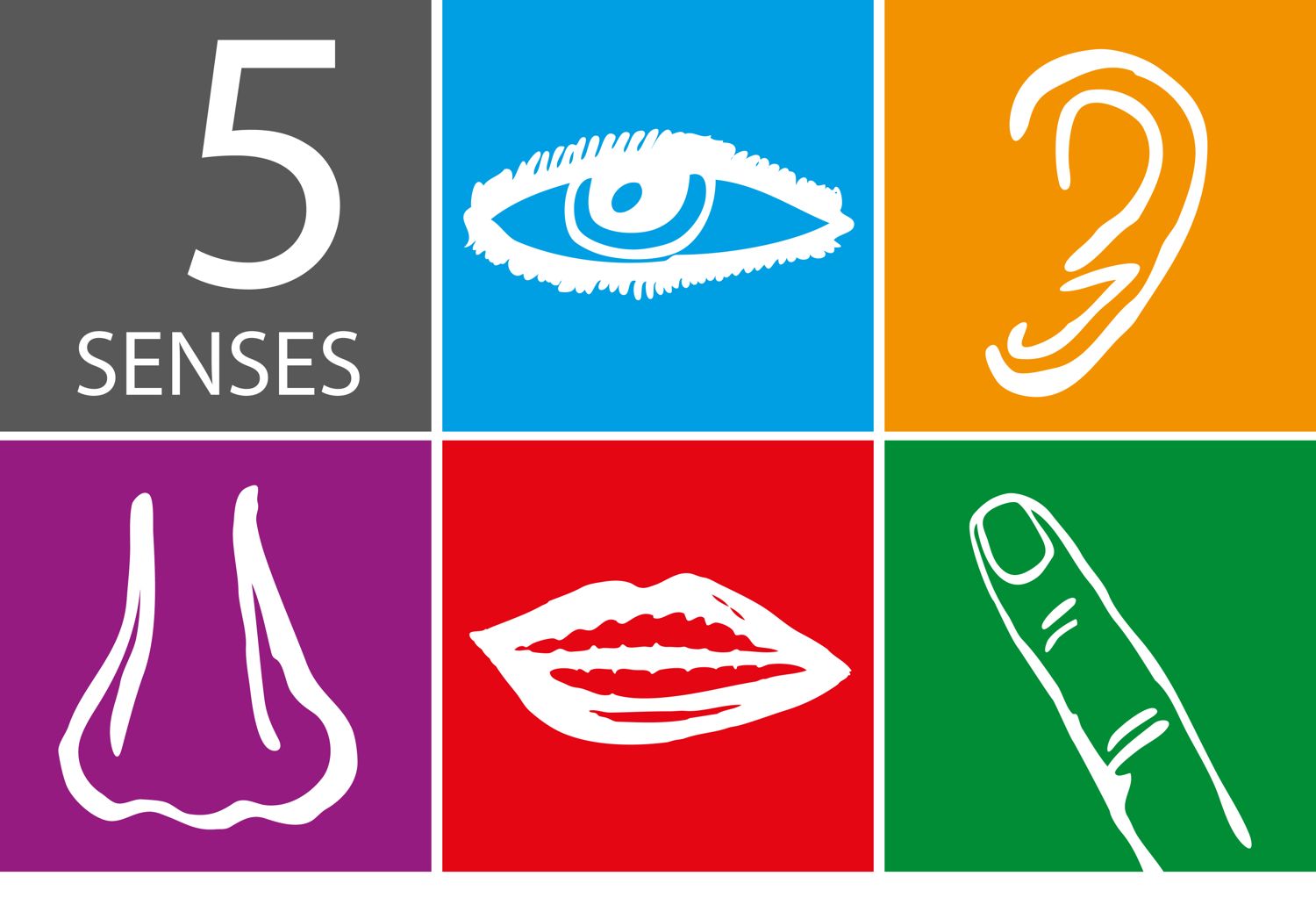
Which of the following senses are most closely related:
touch and smell
smell and taste
taste and hearing
hearing and smell

The.............carries messages about taste from the tongue to the brain.
optic nerve
taste buds
auditory nerve
olfatory nerve
What do we use for smelling?
Ears
Tonge
Eyes
Nose
Which of these is NOT detected by your sense of touch?
temperature
pain
pressure
light
Where is insulin produced
Liver
Thymus
Pancreas
Pineal gland
The adrenal glands release adrenaline to help the body regulate _________________.
diseases
body temperature.
stress.
hormones.
You see a car accident and feel a rush of hormones through your body causing you to react to this dangerous situation and help the victims involved. Which gland is involved in this scenario?
Thyroid
Pancreas
Adrenal
You hit a growth spurt and find that you've grown three inches over the summer! What gland is involved in this scenario?
Pituitary
Pancreas
Thymus
What is a hormone?
Chemical made in one part of a body that affects another part of the body
Cell that sends electrical messages to the brain
Cell that has a receptor for a particular hormone
What is a target cell?
cell that releases hormones
cell that releases digestive enzymes
cell with a receptor for a specific hormone
What is the function of the adrenal glands?
Controls growth and sexual development
Controls sperm and egg production
Controls sleep and aging
Controls "fight or flight" response
What is the function of the pineal gland?
Controls sleep and aging
Controls blood sugar levels
Control center of the endocrine system
Controls metabolism
When glucose levels in the blood rise, your brain sends a signal to your pancreas. The pancreas releases insulin, which opens channels in cell membranes to allow glucose to enter the cell, lowering blood sugar levels. This is an example of a:
Positive Feedback Loop
Negative Feedback Loop

