
 Worksheets
7th ELA EOG Review
Total questions: 91
Worksheet time: 56mins
establish or strengthen as with new evidence or facts
best chance of happening or being correct
to arrive at a decision, to close or bring to an end
most likely
central idea
context clues are
a strategy used to figure out the meaning of words based on how they are used in a text
meaning of a word, phrase, or definition
knowledge on which to base belief or conclusions
an expression consisting of one or more words
to summarize means
common characteristics; identifies how things are alike or similar
to arrive at a decision, to close or bring to an end
present the main points of a text in a concise form
best chance of happening or being correct
an assortment of things from which a choice can be made
common characteristics; identifies how things are alike or similar
present the main points of a text in a concise form
establish or strengthen as with new evidence or facts
consider in detail in order to discover essential features
When asked to choose means .....
knowledge on which to base belief or conclusions
to select from a number of possibilities. Similar words: select, pick, determine, identify
to prove negative; to show to be false
to stress or single out as important
to define =
meaning of a word, phrase, or definition
clarify by giving an example of
to make clear
to make a logical connection
to compare means ......
to clarify, by answering any of the 5 W’s: who, what, when, where, why, or how
characteristics that are not alike; identifies things that are different
consider in detail in order to discover essential features
common characteristics; identifies how things are alike or similar
to contrast means .....
to show; to make something known
characteristics that are not alike; identifies things that are different
the mental position from which things are perceived
common characteristics; identifies how things are alike or similar
When asked to describe =
a larger-life lesson or message that is made clear in a text based on the main character’s growth
presents a clear picture of a person, place, thing, or idea; uses details or sensory words
to elaborate; to express or make clear over time
acceptable; trustworthy
explain means
to clarify, by answering any of the 5 W’s: who, what, when, where, why, or how
to provide
to make a logical connection
the main topic or concept of a text
to arrive at a decision, to close or bring to an end
most likely
central idea
The reason an author decides to write about a certain topic
author's purpose
central idea
summary
contribute
To quote from text to help support or prove a point
credible sources
cite
source
plagiarism
What is an opinion?
Something you can prove.
Someone's thoughts on a topic.

to add to
significant
distinguish
depict
contribute

To mark as different or to point out a difference
exaggerated
distinguish
contribute
depict
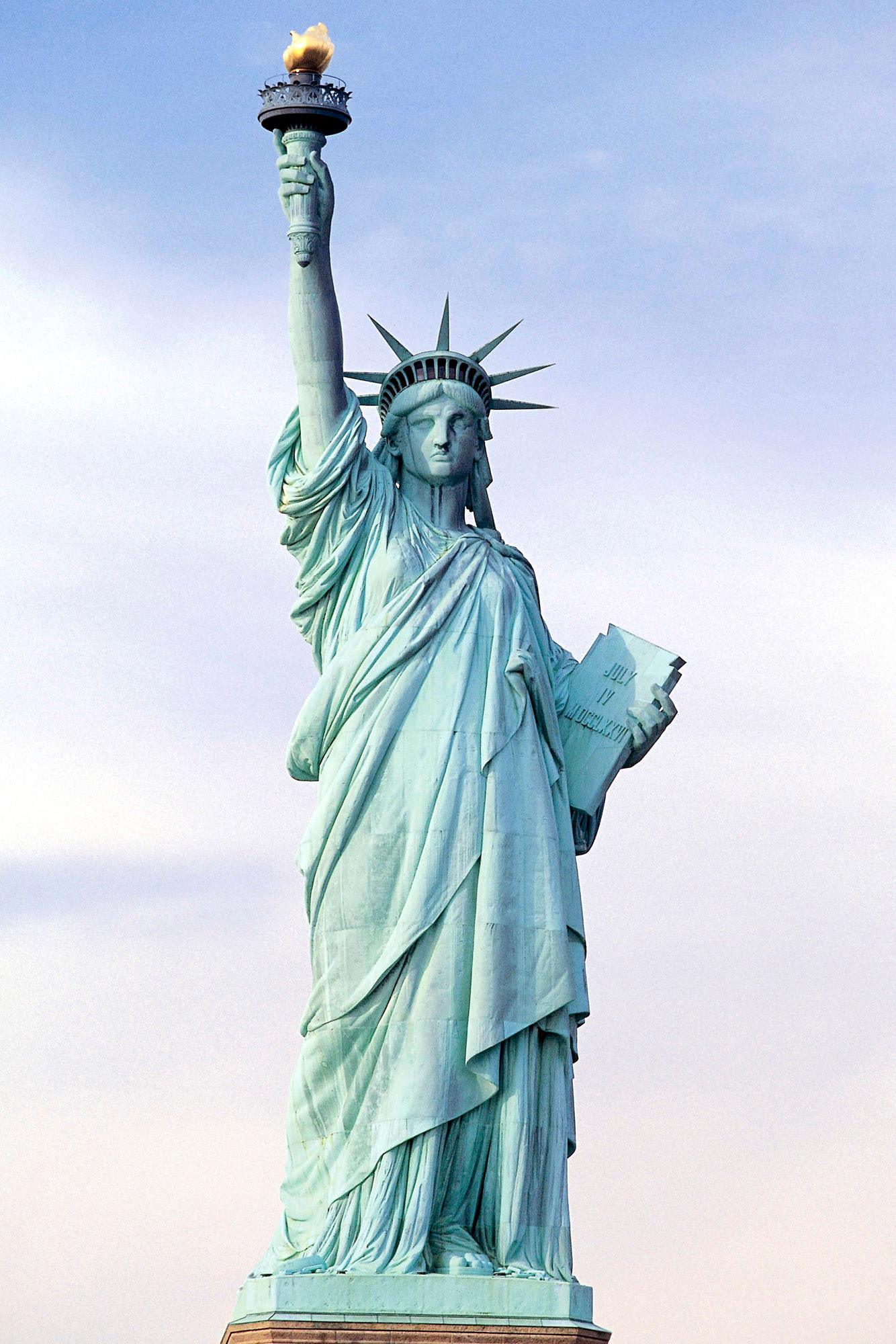
What does the Statue of Liberty do?
The Statue of Liberty symbolizes new beginnings.
The Statue of Liberty evaluates new beginnings.
The Statue of Liberty characterizes new beginnings.
Select the definition of evaluate.
To describe someone or something.
To represent or stand for someone or something.
To carefully judge someone or something and determine value.
Propoganda
meaning information
Information ,that can be misleading , to promote a point of view or idea.
Educated guess about something
information that is true.
Evaluate
Judge or look at carefully
Write a summary
provide a prescription
To scan the reading
The reason an author writes (persuade, inform, entertain, or explain).
point of view
author’s purpose
claim
structure
The main idea of an entire work.
text
format
central idea
claim
Words used to suggest a specific emotion or attitude towards the subject matter.
choice
definition
opinion
connotative language
To explain something by drawing or giving examples
provide
note
illustrate
issue
A conclusion drawn from prior knowledge
inference
hypothesis
guess
suggestion
A comparison of unlike things that is stated like a fact
opinion
fact
simile
metaphor
Attributing human qualities to a non-human thing or idea
personification
simile
metaphor
idiom
Words that prove or give reasons supporting an idea or judgment.
text features
summary
text evidence
conclusion
Purpose: Read to perform
Poetry
Drama
Procedural
Persuasive
When reading persuasive, you must
evaluate and judge logic
understand non-literal language
follow the plot
follow clues
Turning point in a story; moment of greatest suspense; conflict at most intense or dramatic moment.
Rising Action
Falling Action
Resolution
Climax
The end of the story is called the ______.
falling action
rising action
resolution
climax
A _______ is a struggle that a character has to work through or solve.
conflict
sequence
climax
solution
What best describes the TIME and PLACE of a Story?
Rising Action
Plot
Conflict
Setting

In First Person point of view the narrator...
tells their own story.
tells a story about someone else.
The sound of my feet hitting the street formed a rhythm, a steady pattern of light thumps. I timed my breathing with the rhythm. I thought of nothing other than the next step. I soared over the sidewalks like concrete clouds.
First Person Point of View
Second Person Point of View
Third Person Point of View
In Third Person Omniscient point of view
we know one character's thoughts and feelings
we know many characters' thoughts and feelings

Words spelled the way they sound like "woof and meow"
alliteration
Onomatopoeia
plot
metaphor
Which is an example of a SIMILE?
the bright sun
spinning out of control
As slow as a turtle
Bringing the gifts that my ancestors gave,
I am the dream and the hope of the slave.
I rise
I rise
I rise.
The last 3 lines are an example of
alliteration
repetition
humor
A METAPHOR is a direct comparison, without using "like" or "as." Which of the following is an example of a METAPHOR?
Peter Piper picked a peck of pickled peppers
He ran top speed, a blur zooming by.
To be or not to be, that is the question.
Identify which poetic device is used below:
The wonderful wind whistles...
Metaphor
Assonance
Alliteration
Simile
"Purple as tulips in May, mauve
into lush velvet, purple
as the stain blackberries leave
on the lips, on the hands,
the purple of ripe grapes
sunlit and warm as flesh."
This poem uses the following poetic device:
alliteration
imagery
onomatopoeia
This is an example of a/an:


Which of the following is an example of an allusion?
"I rise, I rise, I rise."
"It was such an obvious lie, I was surprised his nose didn’t start growing."
"She had a photographic memory but never developed it."

Do you like green eggs and ham?
I do not like them, Sam-I-am.
-Dr. Seuss
The track stretched on forever.
I've got a bone to pick with you!
A stanza is......
the title of the poem.
the end of the poem
a paragraph in a poem.
when you stand and read a poem.
Old Marley was as dead as a door nail.
simile
personification
metaphor
understatement

A poem about a garbage truck that uses a lot of onomatopoeia

A five-paragraph essay in which the author attempts to convince readers to recycle more and to be less wasteful
An article in a magazine comparing and contrasting waste management in New York City and Mexico City
Put __________________ around a speaker's exact words
commas
speaker's tags
quotation marks
An indention
The word SUMMARIZE means...
to tell why.
to take it apart.
to give a short version.
to make your best guess.
Which best describes a SUMMARY?
A really long detailed piece of writing.
The entire text told in your own words.
The main ideas and important details of a text.
Your favorite part of a passage.
Which is important to setting?
WHERE a story takes place
WHEN a story takes place
Both where AND when

