
 Worksheets
Ecology Review
Total questions: 20
Worksheet time: 19mins
Which of the following parts of an ecosystem are biotic?
Plants
Water
Air
Light

There are birds that eat the food from between the teeth of alligators, leaving the alligators with clean teeth and the birds with a meal. What type of ongoing relationship is this?
A. Predator & Prey
B. Mutualism
C. Competition
D. Parasitism
Which of the following have a predator and prey relationship?
A. Clownfish and sea anemone
B. Mushroom and a log
C. A deer and a rabbit
D. Spider and a fly
Some limiting factors that affect the size of populations include lack of food, lack of water, lack of living space, and the spread of disease.
True
False
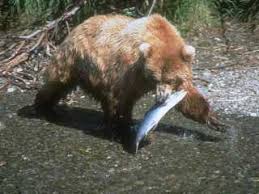
If there are not enough predators and too many prey, the prey population may eventually starve.
True
False
Which situation would BEST allow the long-term survival of a native rabbit population in an ecosystem?
New producer species immigrates to the ecosystem and decreases the diversity of producers.
The population size of the rabbit's predators and the grasses they eat remain constant.
Humans in the ecosystem reduce the number of predators in the area.
A new herbivore that feeds on the same plants as the rabbit moves into the ecosystem

Look at this food web. What would most likely happen if the population of rabbits decreased?
The owl population would increase
The plant population would decrease
The plant population would increase
The mouse population would be totally unaffected

Based on the food web shown above, which of the following is most likely responsible for the rabbit population trend as shown in the graph?
increase in amount of grass
decrease in amount of grass
overpopulation in squirrel population
decrease in hawk population

Look at this graph of the populations of rabbits (prey) and lynx (predator). Lynx is small wild cat that eats rabbits.
What starts to happen in 1865?
The lynx population starts to decrease
The lynx population starts to increase
The rabbit population stays the same
The rabbit population starts to increase
Look at this graph of the populations of rabbits (prey) and lynx (predator). Lynx is small wild cat that eats rabbits.
The populations go up and down. After a time of decreasing, which population starts to increase first?
Lynx
Rabbit
There is not enough information to answer this question
Look at this graph of the populations of rabbits (prey) and lynx (predator). Lynx is small wild cat that eats rabbits.
In 1860, 1870, 1880, the population of rabbits began to increase. What pattern in the lynx population begins during the years that followed?
The lynx population increases
The lynx population decreases
There is not enough information to answer this question
Why might a rabbit population start to decrease?
The population grows large and rabbits start competing with each other for food.
The predators population grows large and eats many of the rabbits.
Both of these are possible reasons that the rabbit population might start to decrease.
There is not enough information to answer this question

The diagram below shows the feeding relationships between populations of organisms in an area. The arrows point from the organisms being eaten to the organisms that eat them.
Using only the relationships between the organisms shown in the diagram, predict the effect on the other organisms if most of the grasshoppers are killed by a frost. (Choose all the likely changes)
The grass population will likely increase
The grass population will likely decrease
The mouse population will likely increase
The mouse population will likely decrease
The owl population will likely decrease

Imagine that an invasive, fast-growing tree species was introduced into this ecosystem. The new tree species directly competes with the Eastern Hemlock for space and it is not eaten by any of the herbivores in the ecosystem.
Which of the following changes would likely happen in this ecosystem? (Click more than one)
The Eastern Hemlock population would likely increase.
The Eastern Hemlock population would likely decrease.
The white-tailed deer population would likely increase.
The white-tailed deer population would likely decrease.
Eventually, Eastern Hemlock may disappear from this ecosystem.

Which organisms are predators of the piping plover? (Click all that apply)
Foxes
Dogs
Cats
Raccoons
Great horned owls

If the population of Piping Plovers decreased, what would likely happen to the population of foxes?
The population of foxes would definitely increase
The population of foxes would definitely decrease
The population of foxes might decrease because they eat Piping Plovers, but if there are enough other foods for the fox, then the population may be unaffected.


Is this an example of an abiotic or biotic part of an ecosystem?
TREE
Abiotic
Biotic

Different populations living and interacting with each other in the same area are know as a ______________
Biome
Ecosystem
Community
Niche

The study of how living things interact with one another and with their environment.
Biology
Chemistry
Ecology
Pharmacology

