
 Worksheets
Anatomical Plane and Reproduction
Total questions: 15
Worksheet time: 22mins

The heart is ____________ to the hips
posterior
anterior
superior
inferior
The nose is on the _________side of the body
superior
anterior (ventral)
posterior (dorsal)
proximal

How many anatomical planes are there?
three
four
six
two


Which types of organisms typically reproduce by fission?
hydra
bacteria
planaria
plants
all of these
During asexual reproduction in a certain organism, a new organism begins to form on the adult's body. Eventually, when the new organism is large enough, it breaks off from the adult and lives separately. This type of reproduction is known as
parthenogenesis.
binary fission.
budding.
regeneration/fragmentation.
Which of the following is not an example of vegetative propagation?
I wrap some bean seeds in moist paper towels. After a few days, the seeds have sprouted.
I go to my pantry and find that there are several sprouts growing out of a potato.
I cut a stem from a rose bush and put it in some water. It forms roots, so I then replant it in my yard.
A strawberry plant sends out horizontal stems that take root and grow into whole new plants.
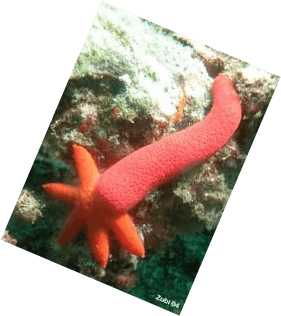
Fishermen work hard to catch and remove all the starfish that get into their favorite shell fishing beds and the “underwater farms” where they raise clams and oysters. In the past, they put the starfish into their boats, cut them up with knives, and then throw the pieces of starfish overboard. They thought this would kill the starfish. What they did not know was that each piece of starfish will grow into a whole new animal.

What type of asexual reproduction shown in figure?
regeneration
parthenogenesis
sexual
lay egg
Which of the following is needed by a moss and fern to reproduce asexually?
pollen grains
seeds
spores
stamen
What is a sporophyte?
The stage that produces sperm cells and egg cells
The spore-producing stage.
The rhizome that produces roots and leaves.
The slender, hairlike threads of cells.

