
 Worksheets
DT Quiz Yr 10
Total questions: 36
Worksheet time: 18mins

Natural fibres, Blended and mixed fibres, Woven and non-woven fabrics and Knitted textiles are all textile categories.
Which category is missing?
Polyester Fibres
Silk Fibres
Synthetic Fibres
Woven Textiles

Which fibre category would Silk be placed into?
Synthetic Fibres
Natural Fibres

Silk and Cotton are both natural fibres, name one other.
(a)
Silk is a natural, raw fibre sourced from the cocoon of the larvae of a silkworm
True
False

It is difficult for Wool to be spun, woven or knitted.
True
False

Which of the following statements about Felt is false?
Felt is a dense, non-woven fabric
Felt is usually made of wool, but when mixed with synthetics it becomes more resilient
Felt is made with a warp and weft.
Felt can be shaped and formed using heat and moisture.

Which af the following are correct?
Woven textiles
Are Hard wearing
Won't fray when cut
Are available in a variety of weights
Are Breathable

Which of the following are correct?
Knitted textiles
Are stretchy and absorbent
Unravel easiy
Can lose shape easily without added Lycra®
Wont shrink

Sterile garments used by doctors and nurses are made from Non-woven textiles.
True
False
Which of the following is a piece of sewing equipment?
Pin
Rake
Spatula
Fabric
The running stitch is:
A stitch started with a knot in the thread
A temporary stitch used to hold two pieces of fabric together
A secure straight stitch used instead of machining

Name this stitch:
Tacking
Running stitch
Chain stitch
Blanket stitch

Name this stitch:
Straight stitch
Zig zag stitch
Blanket stitch
French knot
The term for sewing a smaller piece of fabric onto a bigger piece is called
(a)
Give 3 guidelines for safety when sewing:
Give two guidelines for cutting out fabric:
If fabric scissors are used to cut paper, the scissors blade will become blunt.
This is a FALSE statement.
This is a TRUE statement.
Which of these is the strongest synthetic fiber?
Acrylic
Polyester
Nylon
Name the technique that uses hot wax as a resist.
Shibori
Batik
Tie-dye
Applique
Name the technique that folds fabric over itself to create volume.
Pleating
Gathering
Ruffles
Darts
For what functional property is quilting added to a jacket?
Decoration
Waterproofing
Insulation
Wicking

What is the name of this hand embroidery stitch?
Running stitch
Straight stitch
Back Stitch
Dashed stitch


What is the act of electricity passing throught an object
Charge
Resistance
Ampere
Conduct

What tool is this?
Round saw
Coping saw
Tenon saw
File
The bandsaw is good for cutting timber. Select the picture of the bandsaw.


When sanding you start with the lowest number grit (80) and work up to bigger numbers (180,240,400)
True
False

Name this tool
Drill press
Stand
Band saw
Drill

Name the tool shown?
Coping saw
Wood saw
Panel saw
Tenon Saw
Bench hook
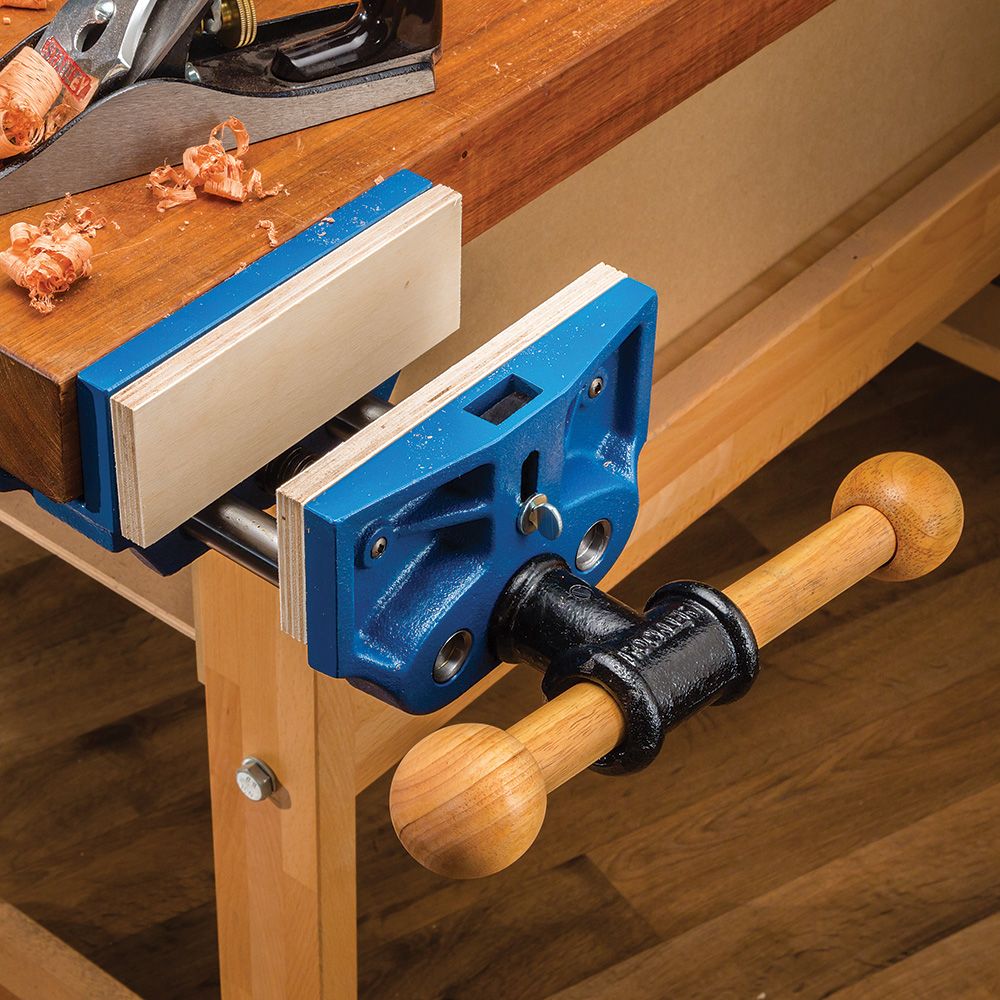
Name the tool;
Machine vice
Bench hook
Bench vice
Engineer's vice

