wayground logo

Free Printable Worksheets

NEW

Font size

S
M
L
XL
Worksheets

The Circulatory and Respiratory systems

Total questions: 31

Worksheet time: 48mins

Name
Class
Date
1.
The two larger types of blood vessels are:
a)
heart and lungs
b)
arteries and heart
c)
arteries and veins
d)
veins and heart
2.
What is the main bone structure that protects the lungs
a)
Vertebrae
b)
Rib cage
c)
Skull
d)
Pelvis
3.
When you breathe, your lungs take in ___ and remove ___. 
a)
air/oxygen
b)
oxygen/carbon dioxide 
c)
carbon dioxide/waste 
d)
waste/air 
4.
Which system works closely with the respiratory system?
a)
skeletal system
b)
circulatory system
c)
excretory system
d)
digestive system
5.
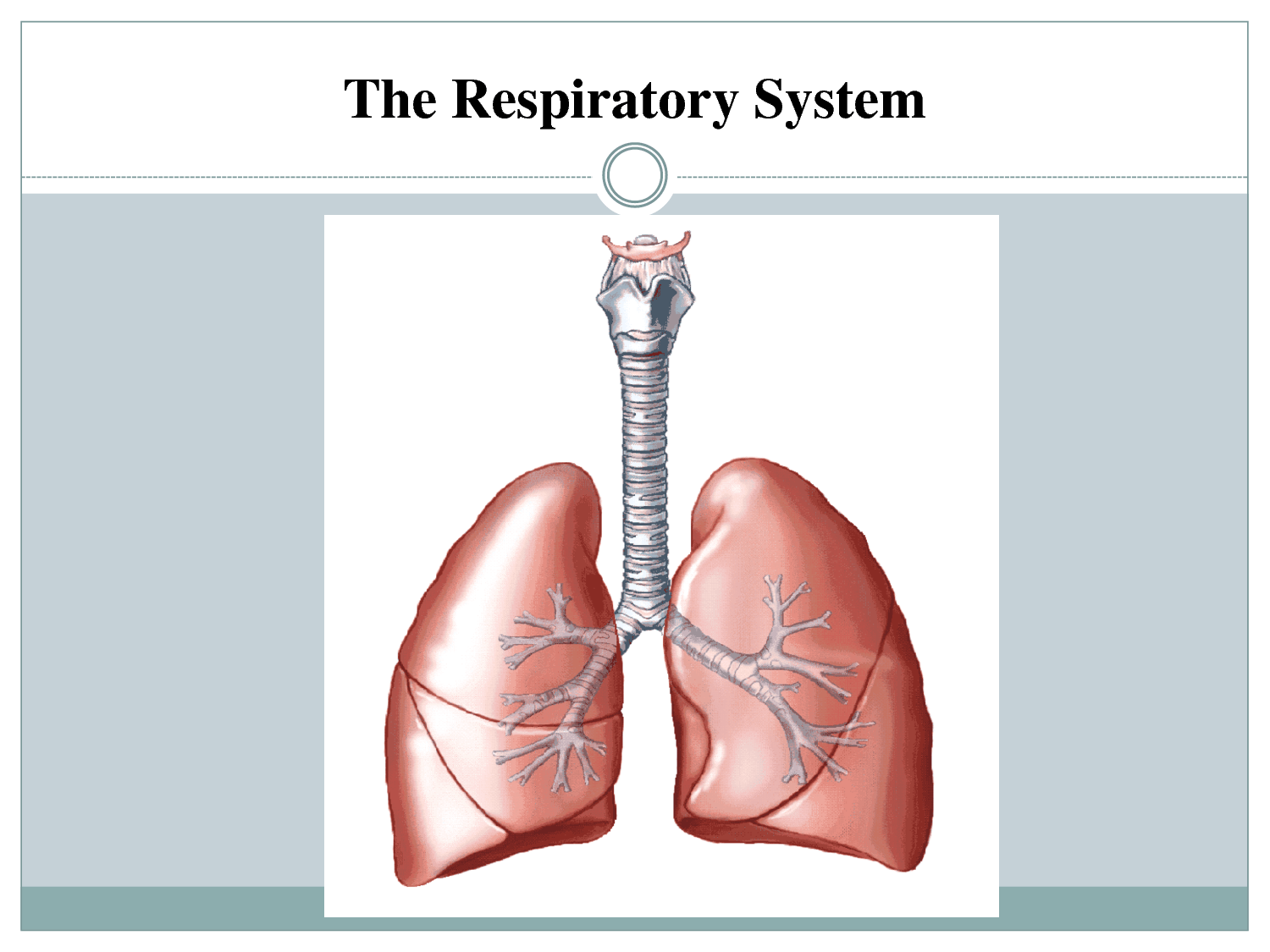
What are the main organs of the respiratory system?
a)
muscles
b)
lungs
c)
nose and mouth
d)
bronchi
6.
What is the main function of the heart ? 
a)
The heart circulates blood and oxygen throughout the body.
b)
The heart is the control centers for all body activities.
c)
The heart gets rid of the wastes in your body produced by homeostasis. 
d)
The heart adds oxygen to the blood
7.
Which does not make up the circulatory system?
a)
heart
b)
blood
c)
lungs
d)
blood vessels
8.
The heart pumps blood to get ________ to our cells.
a)
carbon dioxide
b)
urea
c)
oxygen
9.
What is the main organ in the circulatory system?
a)
vein
b)
lung
c)
heart
d)
aorta 
10.
What happens when the organs such as the nose, throat , voice box , wind pipe, and the lungs work together?  
a)
They create the circulatory system.  
b)
They create esophagus and trachea.  
c)
When all of the organs work together they create the  external organ known to be the nose.  
d)
They help create the Respiratory System which then helps us to breathe. 
11.
Carry blood away from heart; mostly oxygen-rich
a)
Arteries
b)
Veins
c)
Capillaries
12.
Which is the correct definition of the Circulatory system?
a)
The system fights disease so the body stays healthy.
b)
The system that circulates blood and oxygen through the body, consisting of the heart,blood vessels,and blood.
c)
Breaks down food into smaller pieces and absorbs those nutrients into the body.
d)
Provides shape and structure for the body.
13.
What function does the heart do?
a)
Protects organs and produces red blood cells.
b)
Generates heat.
c)
Breaks down food into nutrients.
d)
The heart is a pump, which moves the blood. The arteries and veins are the pipes where the blood flows.
14.
What is the main function of the respiratory system?
a)
to provide oxygen and remove carbon dioxide from the body
b)
to bring oxygen to the body
c)
to break down food and absorb nutrients
d)
to remove oxygen from the body and deliver carbon dioxide
15.
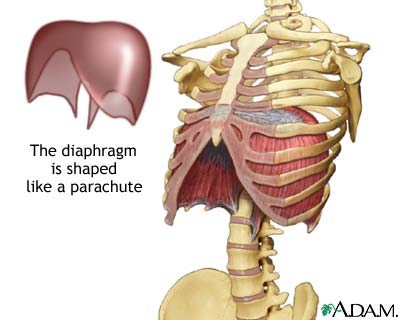
What is function of the dome-shaped diaphragm?
a)
This is where gas exchange happens.
b)
Air passes through the diaphragm on the way to the lungs.
c)
It attaches to the lungs to help in breathing.
d)
It is under the lungs and keeps them from falling down to your stomach.
16.
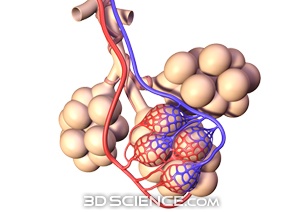
The air sacs that are covered with capillaries where gas exchange takes place
a)
bronchi
b)
lungs
c)
oxygen
d)
alveoli
17.

When we breath in the diaphragm...

a)

Contracts

b)

Relaxes

18.

When we breathe out the diaphragm...

a)

Contracts

b)

Relaxes

19.

The circulatory system moves blood around the body through the...

a)

Head

b)

Heart

c)

Lungs

d)

Stomach

20.

The circulatory system moves blood around the body through the...

a)

Head

b)

Heart

c)

Lungs

d)

Stomach

21.

The circulatory system consists of the heart, blood vessels and...

a)

blood

b)

oxygen

c)

nutrients

d)

cells

22.

The heart is made of which of the following types of muscles?

a)

Cardiac muscle

b)

Striated muscle

c)

Smooth muscle

d)

None of the above

23.

Your heart always pumps at the same rate.

a)

True

b)

False

24.

Which of the following are chambers of the heart?

a)

Valves

b)

Atrium and ventricle

c)

Arteries and veins

d)

Sinoatrial nerve

25.

Blood clots can cause a heart attack

a)

True

b)

False

26.

Which of the following is true about your heart?

a)

Your heart may stop beating from time to time.

b)

You have to think in order to keep your heart beating.

c)

Your heart pushes blood through your body.

d)

All of the above

27.

What can happen sometimes when you stand up to quickly?

a)

You become light-headed.

b)

Your blood stays down at your legs and feet.

c)

Your blood does not get to your head fast enough.

d)

All of the above.

28.

The pulmonary artery is the artery that carries the blood to your heart from your lungs.

a)

True

b)

False

29.

How are arteries and veins different?

a)

One is bigger than the other.

b)

The arteries carry more blood than the veins.

c)

The arteries carry blood away from the heart while veins carry blood to the heart.

d)

The veins carry blood away from the heart while arteries carry blood to the heart.

30.
What is the name for a circulatory system that has blood leave heart to go to lungs then goes back to heart before delivering the oxygenated blood to the rest of the body?
a)
DOUBLE LOOP
b)
TRIPLE LOOP
c)
SINGLE LOOP
31.
Separates the chambers of the heart.
a)
mitral valve
b)
septum
c)
aortic valve