
 Worksheets
Succession and symbiosis
Total questions: 19
Worksheet time: 1hrs 3mins
Name
Class
Date
1.
All of the living and non-living things in an environment are called an _______________.
a)
population
b)
niche
c)
abitotic
d)
ecosystem
2.
How do consumers get their energy?
a)
by laying in the sun
b)
by eating other organisms
c)
by making their own food
d)
by surviving in an ecosystem
3.
Which organisms make their own food through the process of photosynthesis?
a)
decomposers
b)
consumers
c)
organisms
d)
producers
4.
What would most likely happen if an ecosystem no longer received sunlight?
a)
The number of herbivores would increase
b)
The number of plants would increase
c)
all organisms would adapt
d)
All living organisms would eventually die
5.

The biotic factors in this image are ____________________.
a)
frog, snail, water
b)
frog, fish, air
c)
frog, tadpoles, fish
d)
frog, tadpoles, sun
6.
The abiotic factors in this image are ________________.
a)
frog, water, sun
b)
air, water, snail
c)
air, sun, water weeds
d)
air, sun, water
7.
Mistletoe grows on an oak tree in a forest ecosystem. The mistletoe gets all of its nutrients from the oak tree. This process is good for the mistletoe but hurts the tree. Which type of symbiotic relationship do the oak tree and mistletoe have?
a)
commensalism
b)
parasitism
c)
mutualism
8.
A remora is a small fish that attaches itself to a shark. The remora is carried around by the shark and eats the scraps from the shark's meals. This helps the remora but has no effect on the shark. Which type of symbiotic relationship do the shark and remora have?
a)
parasitism
b)
mutualism
c)
commensalism
9.
A small bird lands on a hippo and eats the ticks off the hippo's back. This helps the bird by giving it an easy meal and helps the hippo by removing annoying pests from its skin. Which type of symbiotic relationship do the bird and hippo share?
a)
parasitism
b)
mutualism
c)
commensalism
10.
Succession that occurs in an area with NO SOIL.
a)
ecological succession
b)
primary succession
c)
secondary succession
d)
pioneer speciles
11.
The first organisms that appear in an ecological community
a)
ecological succession
b)
primary succession
c)
secondary succession
d)
pioneer speciles
12.

The picture shows what type of succession?
a)
primary
b)
secondary
c)
tertiary
d)
quadanary
13.
Natural disasters such as flooding and tornadoes are linked to ________________.
a)
primary succession
b)
secondary succession
c)
old fields
d)
ecosystems
14.
This type of succession happens more quickly than the other because soil is already present.
a)
primary succession
b)
secondary succession
c)
both types of succession
15.
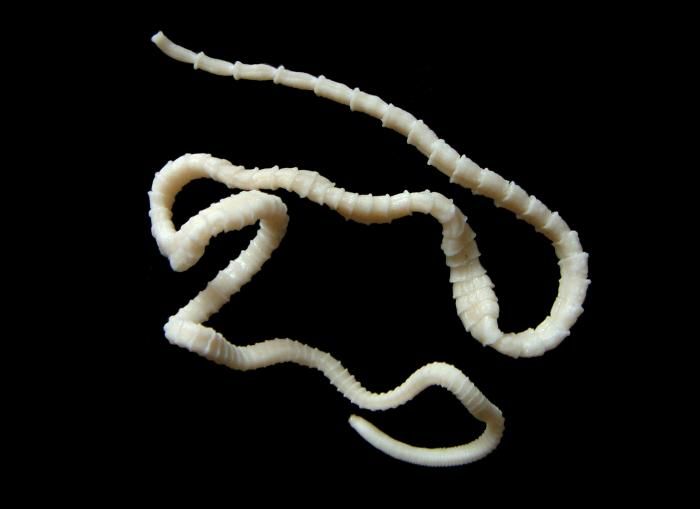
A tapeworm and a cat have this type of relationship.
a)
mutualism
b)
parasitism
c)
commensalism
d)
competition
16.

Cattle egrets forage (feed) in fields among cattle. The egret gets easy access to flying insects stirred up by the cattle, and the cattle don't care if they are there or not.
a)
mutualism
b)
commensalism
c)
competition
d)
parasitism
17.
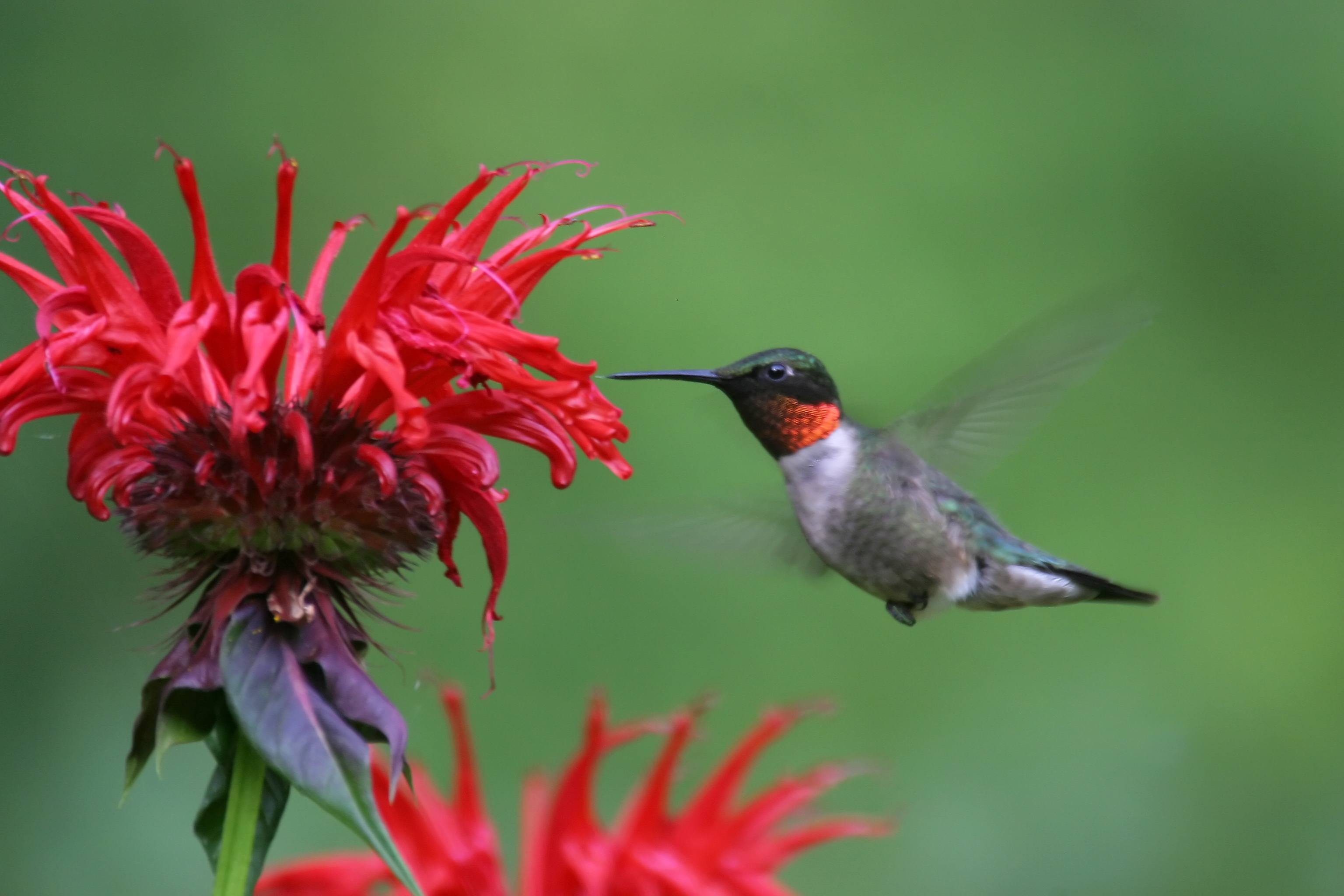
What type of symbiosis? Hummingbirds feed on nectar from flowers. The flowers are pollinated by hummingbirds as they move from flower to flower.
a)
commensalism
b)
mutualism
c)
parasitism
d)
predation
18.
A frog eats a fly. The frog and fly are demonstrating ________.
a)
mutualism
b)
competition
c)
predator/prey
d)
parasitism
19.
These are interactions where organisms struggle to get the resources they need.
a)
grocery shopping
b)
hunger
c)
competition
100 %

