Worksheets
Science Chapter 1
Total questions: 259
Worksheet time: 3hrs 3mins





The human brain is responsible for which of the following functions?
Fighting the body’s diseases
Breaking down food nutrients
Controlling muscle movement
Pumping blood through the body
Marissa is making a list of the parts of her body that help her sense the world around her. She knows that her eyes take in light so she can see. Which organ has nerve endings so that she can take in information such as textures and air temperature?
Heart
Skin
Brain
Lungs
What is the function of the human skeleton?
The skeleton pumps blood throughout the body, brain, and heart.
The skeleton protects and defends the human body from diseases.
The skeleton digests food and makes fuel for the body from the nutrients.
The skeleton provides a framework for muscles and protects organs.
When Bryce decides to get up and move to another room, he is counting on his body to communicate those messages to his muscles. Which of the following organs is responsible for communicating and controlling the actions of Bryce's movements?
Brain
Kidneys
Heart
Lungs
In order to provide oxygen and remove carbon dioxide, air must be pumped into and out of which of the following organs?
Bladder
Heart
Brain
Lungs
An organ system is made up of all the organs in the human body that work together to do a specific job, such as the circulatory system. The heart is part of the circulatory system. What is the main function of the heart?
Fighting the body’s diseases
Pumping blood through the body
Controlling muscle movement
Breaking down food nutrients
The nutrients in digested food are absorbed into the bloodstream in which of the following organs?
Heart
Liver
Intestines
Lungs
The stomach, liver, intestines, and pancreas are all organs in the same body system. What is the main function of the stomach?
Breaking down food nutrients
Pumping blood through the body
Controlling muscle movement
Fighting the body’s diseases
Which human organ filters all the body’s blood, removes waste, and regulates body fluids?
Kidneys
Brain
Heart
Lungs
Each organ performs a function necessary for a healthy, active, human body. The organ responsible for filtering the blood from the digestive tract before sending it to the rest of the body is which of the following organs?
Heart
Stomach
Liver
Lungs
Two sac-like organs that hold oxygen
Skin
Brain
Heart
Lungs
Stomach
The organ that coordinates your body’s activities
Skin
Brain
Heart
Lung
Stomach
The skeletal system has many functions. Which of the following body functions does the skeletal system not do?
Remove germs from the blood
Protect the internal organs
Give shape and support to the body
Produce red and white blood cells

What is the coating at the ends of the leg bones marked by arrows in the diagram shown?
White blood cells
Rock
Marrow
Cartilage
What percentage of the human body is water?
A.50%
B.66%
C.75%
D.80%
A human's thumb is as long as his or her nose.
A.True
B.False
What is one of the parts in the Circulatory System?
a) heart
b) skin
c) bones
What part of the Circulatory System is a tube?
a) blood vessels
b) heart
c) blood
Where do the chemicals to break down the food in your small intestine come from?
a) heart and liver
b) pancreas and liver
c) liver and mouth
Which of these parts belong in the digestive system?
a) heart
b) esophagus
c) blood vessels
What are one of the chemicals that break down food in the stomach?
a) the brain
b) the liver
c) enzymes
What is the last part of the digestive system?
a) stomach
b) esophagus
c) large intestine
What controls the functions of the body?
a) brain
b) nerves
c) mouth
What carries the information?
a) spinal cord
b) brain
c) lungs
What acts as a pathway for sensors and impulses
a) large intestine
b) brain
c) spinal cord
What gives the brain messages?
a) nerves
b) heart
c) large intestine
What thing on your body is not protected by your skin?
a) heart
b) mouth
c) hair

LET'S FIND THE CORRECT ANSWER!
BRAIN
BRIAN

LET'S FIND THE CORRECT ANSWER!
HERAT
HEART

LET'S FIND THE CORRECT ANSWER!
LUNGS
LUGNS

LET'S FIND THE CORRECT ANSWER!
SOTMACH
STOMACH

LET'S FIND THE CORRECT ANSWER!
LIVER
LIREV

LET'S FIND THE CORRECT ANSWER!
BOSEN
BONES

LET'S FIND THE CORRECT ANSWER!
KIDNEYS
KIDYENS

LET'S FIND THE CORRECT ANSWER!
INTESTIENS
INTESTINES

BRAIN: TO THINK
TRUE
FALSE

LUNGS: TO PUMP BLOOD
FALSE
TRUE
HEART: TO PUMP BLOOD
TRUE
FALSE

LIVER: TO STORE GLUCOSE
TRUE
FALSE
BONES: TO BREATHE
TRUE
FALSE
Which pair of organs work together to help the body digest
food?
kidneys and liver
lungs and kidneys
stomach and liver
lungs and stomach
Which organ system includes the heart, blood vessels, and blood?
Digestive system
Circulatory system
Respiratory system
Muscular system
Major organs of the skeletal system
Muscles, tendons
Bones, joints
Marrow, periostium, nerves
Ribs, quadriceps, femur
Nose, trachea, lungs
Respiratory system
Endocrine system
Muscular system
Skeletal system

What is the function of this system?
The protection of vital organs from injury
The production of hormones that regulate growth and metabolism.
The chemical breakdown of food into smaller pieces
The transport of nutrients, water, and oxygen to body cells.

What is the function of this system?
The protection of vital organs from injury
The production of hormones that regulate growth and metabolism.
The chemical breakdown of food into smaller pieces
The transport of nutrients, water, and oxygen to body cells.

What is the function of this system?
The protection of vital organs from injury
The production of hormones that regulate growth and metabolism.
The chemical breakdown of food into smaller pieces
The transport of nutrients, water, and oxygen to body cells.

What is the function of this system?
exchange gases with the air
breakdown molecules and absorb nutrients.
Provide support and movement for the body
Produce and secretes hormones which regulate metabolism, growth, and development.

Which part of the body is this?
Brain
Sensory Organs
Muscles
Bones

Which body part is this?
Liver
Stomach
Pancreas
Heart

Which body part is this?
Stomach
Pancreas
Liver
Intestines

Which body part is this?
Stomach
Brain
Bladder
Lungs

Which body part is this?
Heart
Lungs
Stomach
Kidneys

Which body part is this?
Brain
Heart
Liver
Pancreas

Which body part is this?
Lungs
Stomach
Skin
Muscles

Which body part is shown here?
Brain
Kidneys
Bladder
Heart

What body part is shown here?
Brain
Stomach
Bladder
Kidneys

What body part is shown here?
Muscles
Skin
Bones
All the above

What body part is shown here?
Muscles
Skeleton
Skin
Intestines

What is this body part?
Liver
Heart
Intestine
Pancreas

What is this body part?
Small Intestine
Large Intestine
Stomach
Brain

What is this body part?
Small Intestine
Large Intestine
Lungs
Bladder

Blood cells
Animal cells that can bend and squeeze through narrow spaces
Plant cells that can make food
Plant root cells that can absorb water and minerals from the soil
Animal cells that can relay information to other cells

enzymes

What part of the digestive system is highlighted? (the end)
Anus
Rectum
Colon
Appendix

What part of the digestive system is highlighted?
Anus
Appendix
Gall Bladder
Pancreas

What part of the digestive system is highlighted?
Esophagus
Appendix
Small Intestine
Stomach

What part of the digestive system is highlighted?
Gall Bladder
Small intestine
Pancreas
Liver

What part of the digestive system is highlighted?
Small intestine
Large intestine
Stomach
Liver

What part of the digestive system is highlighted?
Stomach
Pancreas
Liver
Gall bladder

What part of the digestive system is highlighted?
Esophagus
Stomach
Salivary glands
Mouth

What part of the digestive system is highlighted?
Pancreas
Gall Bladder
Stomach
Liver

What part of the digestive system is highlighted?
Anus
Rectum
Large Intestine
Small intestine

What part of the digestive system is highlighted?
Mouth
Esophagus
Salivary Glands
Stomach

What part of the digestive system is highlighted?
Large intestine
Small intestine
Stomach
Appendix

What part of the digestive system is highlighted?
Small Intestine
Large intestine
Stomach
Liver


Which is the esophagus?
A
B
C
D

Which parts of the diagram is the small and large intestine?
A~ small intestine
E~ large intestine
D~ small intestine
E~ large intestine
C~ large intestine
B~ small intestine
A~ large intestine
C~ small intestine
E~ small intestine
D~ large intestine
Where does the digestive system start?
The liver
The throat
The stomach
The mouth
What part(s) of the digestive system mechanically and chemically break(s) down food?
mouth
stomach
both the mouth and stomach
small intestine
What chemically breaks down food into smaller molecules?
teeth
muscles of the stomach
enzymes
peristalsis
What are the rhythmic muscular contractions of your esophagus called to help food move along?
swallowing
peristalsis
inertia contractions
paralysis
What carries food from the pharynx to the stomach?
larynx
trachea
esophagus
bronchioles
Provides additional enzymes (pancreatic juice) to help nutrients get absorbed by the small intestine.
liver
kidneys
gall bladder
pancreas
The tube after the small intestine where water is absorbed.
large intestine
small intestine
rectum
stomach
A large organ of the digestive system that makes chemicals (bile) to help the body break down fats and rid itself of harmful substances.
esophagus
mouth
liver
stomach

Which digestive system organ is this?
pancreas
esophagus
stomach
liver
What is the main function of the (hilly) villi?
They move food from the stomach to the small intestine
They absorb nutrients into the bloodstream
They absorb water from chyme
They move food from the small intestine to the large intestine
Place the following events in sequence:
A) Food enters your large intestines
B) Food enters your small intestines
C) Food enters your esophagus
A, B, C
C, B, A
C, A, B
B, A, C
Chewing is an example of what type of digestion?
Dental
Fragmentary
Chemical
Mechanical

Which organ prevents food from entering the windpipe?
The uvala
The tongue
The trachea
The epiglottis

The partly-digested food in the stomach leaves to enter
The gullet
The appendix
The small intestine
The large intestine
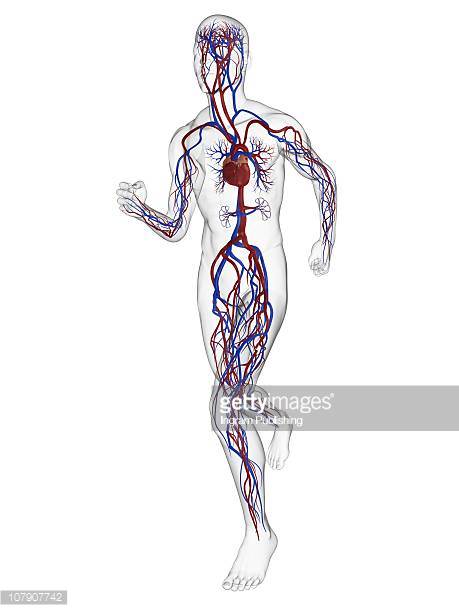
What is the main organ of the circulatory system?
small intestine
bone
lungs
heart
Veins carry oxygen poor blood back to the heart.
False
True
Arteries carry oxygen rich blood away from the heart.
True
False
The job of the heart is to . . .
pump blood around the body.
send food to the small intestines.
break down food.
give energy to the body.


What does your heart do?
pumps blood through your body
protects your body
helps your exercize
Your heart is about the size of your __________.
mouth
fist
show
Blood carries ____________ to the heart.
vitamins
germs
oxygen
Your heart pumps blood throughout your entire body through little tubes called _____________.
veins
arteries
hoses
Blood is carried back to your heart in little tubes called ____________.
veins
arteries
hoses
What does circulate mean?
pump blood
beat quickly
go around and around
You can feel your heart beating when you feel your _____________.
pulse
breathing
stomach growling
Your heart is a _____________.
tube
muscle
vein
Which is NOT a way to exercise your heart?
Running
Sitting on the couch
Swimming
Which is a good way to keep your heart healthy?
Eating healthy foods
Playing video games
Eating greasy foods
Which describes all the parts of the circulatory system?
heart, lungs, stomach, muscles
heart, blood, arteries, and veins
bones, skin, hair
The circulatory system consists of what three parts?
Heart
Brain
Blood
Blood vessels
Liver
Blood vessels that carry blood away from the heart.
Veins
Capillaries
Arteries
The (a) is the largest artery in the body.
Your heart rate, or pulse, is the number of times your heart beats per (a) .
These blood vessels help fight infection and other diseases.
Red Blood Cells
White Blood Cells
Platelets
Plasma
(a) is the liquid part of blood.
(a) help form clots to stop bleeding.
Blood vessels that carry blood to the heart.
Veins
Arteries
Capillaries
The upper part of the heart is made up of two chambers called what?
Ventricles
Atria
(a) are the tiniest blood vessels.
The bottom part of the heart is divided into two chambers called what?
Ventricles
Atria
These blood cells carry oxygen from the lungs to all parts of the body.
White Blood Cells
Red Blood Cells
Platelets
Plasma
The smallest blood vessels that ensure oxygen and nutrients are delivered to the body's cells.
Capillaries
Arteries
Veins
About how many times does your heart beat per minute?
20-60
40-80
60-100
80-120
This occurs when blood flow to part of the heart is blocked.
Heart attack
Stroke
Arrhythmia
Type of circulation that refers to blood flow from the heart to the lungs and back to the heart again?
Systemic circulation
Renal circulation
Portal circulation
Pulmonary circulation
Type of circulation that refers to the blood flowing through the entire body?
Systemic circulation
Renal circulation
Portal circulation
Pulmonary circulation
The contraction/emptying phase of the cardiac cycle?
Systole
Diastole
The relaxing/filling stage of the cardiac cycle?
Systole
Diastole
The relaxing/filling stage of the cardiac cycle?
Systole
Diastole
Coronary arteries...
supply the heart muscle cells with a supply of blood.
supply the brain cells with a supply of blood.
contain deoxygenated blood.
when clogged, cause a stroke.
The type of blood vessel that normally carries de-oxygenated blood back to the heart from body cells?
arteries
capillaries
veins
The type of blood vessel that normally carries oxygenated blood from the heart to the body cells?
arteries
capillaries
veins
The type of blood vessel where exchange of gases, nutrients, and wastes occurs?
arteries
capillaries
veins

An abnormal widening/ballooning of a portion of an artery.
aneurysm
embolism
thrombosis
atherosclerosis
A blood clot that travels through the circulatory system and eventually becomes lodged within a blood vessel?
aneurysm
embolism
thrombosis
atherosclerosis
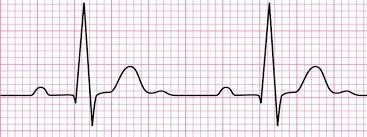
Type of device that measures the electrical currents created by the SA and AV nodes?
AED
MRI
ECG
CAT Scan

The main vein(s) that brings blood to the right atrium?
Aorta
Pulmonary veins
Superior and Inferior vena cava
Jugular vein

Which choice below correctly identifies the layers of the heart from the most outer layer to the most inner layer?
epicardium, myocardium, endocardium
endocardium, myocardium, epicardium
myocardium, endocardium, epicardium
myocardium, epicardium, endocardium
The sac that surrounds and protects the heart?
endocardium
epicardium
myocardium
pericardium

Instrument used to measure blood pressure?
AED
ECG
Sphygmomanometer
ultrasound

Name part N.
Right atrium
left atrium
right ventricle
left ventricle

Name part I.
pericardium
mediastinum
septum
unknownum

Name part A.
Pulmonary artery
Pulmonary vein
Superior vena cava
Aorta

Name part B.
Pulmonary arteries
Pulmonary veins
Superior Vena cava
Aorta

Name part M.
Tricuspid valve
Semilunar valve
Bicuspid valve
Mitral valve
In which of the following scenarios does blood have the highest oxygen level?
Blood enters the left atrium to left ventricle to aorta
Blood flows through the body by arteries and then to capillaries
Food, nutrients, and oxygen are delivered by diffusion
Blood returns to the heart through the inferior vena cava and into the right atrium
In which of the following scenarios does blood have the lowest oxygen level?
Blood enters the left atrium to left ventricle to aorta
Blood flows through the body by arteries and then to capillaries
Food, nutrients, and oxygen are delivered by diffusion
Blood returns to the heart through the inferior vena cava and into the right atrium
Arteries
Carry blood low in oxygen
Carry blood rich in oxygen
only place diffusion can occur
Veins
only place diffusion can occur
carry oxygen rich blood
carry deoxygenated blood
Capillaries
only blood vessel where diffusion can occur
carry oxygenated blood
carry blood low in oxygen
Select all of the following that are TRUE about red blood cells
having too few red blood cells can cause anemia
donut shaped
contain hemoglobin
fight infection
live approximately 120 days
Select all of the following that are TRUE about white blood cells
fight infection
donut shaped
referred to as macrophage
ingest dead cells
when too many are produced it can cause leukemia
Select all of the following that are TRUE about platelets
clot blood
when there are not enough it can cause hemophilia
referred to as macrophage
live 5-9 days
irregular shape
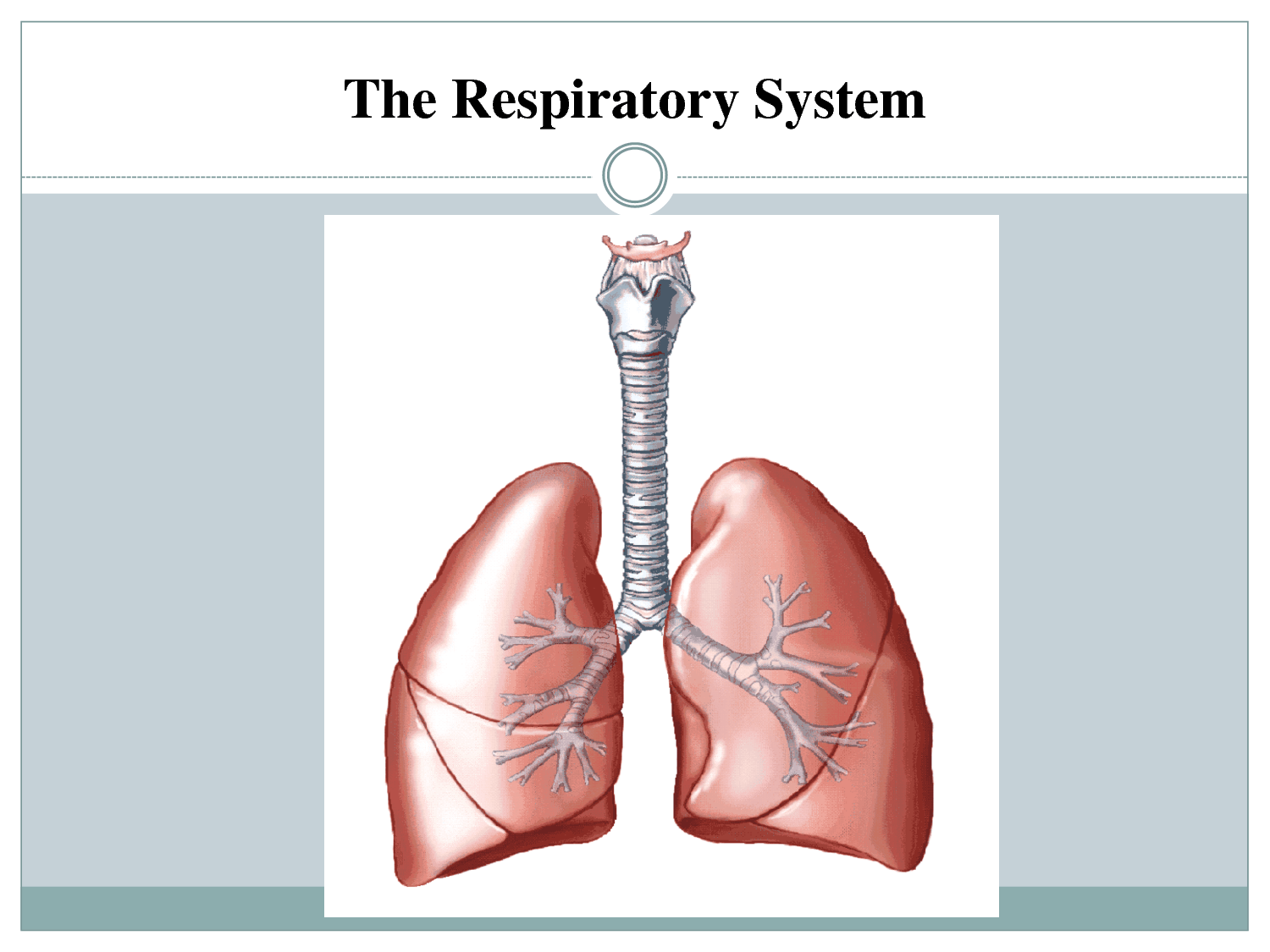
What is the main function of the respiratory system?
to provide oxygen and remove carbon dioxide from the body
o break down food and absorb nutrients
to remove oxygen from the body and deliver carbon dioxide
What are the main organs of the respiratory system that allow us to breathe and for gas exchange to happen?
diapragm
lungs
trachea
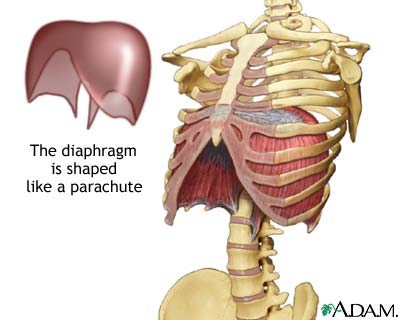
What is function of the dome-shaped diaphragm muscle?
This is where gas exchange happens.
Air passes through the diaphragm on the way to the lungs.
It attaches to the lungs and contracts and relaxes to help in breathing.