
 Worksheets
Ecology Review
Total questions: 20
Worksheet time: 19mins
Name
Class
Date
1.
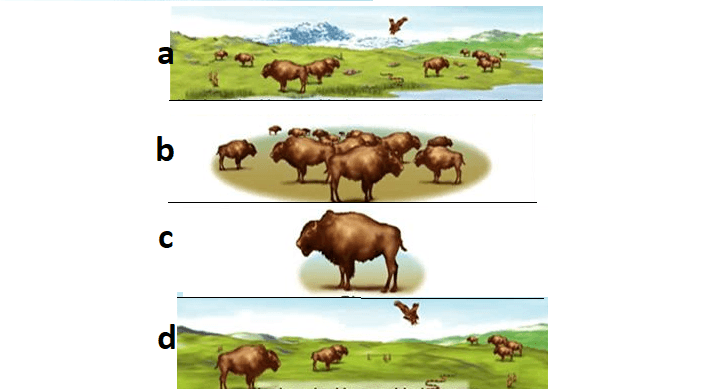
Which represents an organism?
a)
a
b)
b
c)
c
d)
d
2.
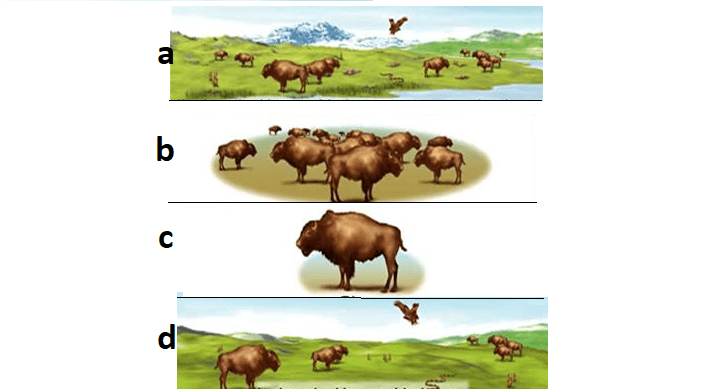
Which represents a community?
a)
a
b)
b
c)
c
d)
d
3.
All the red tailed squirrels that live in the forest behind our school are part of the same.....
a)
family
b)
population
c)
community
4.
Temperature, light, air, water, and soil are all _____ parts of the environment
a)
alive
b)
biotic
c)
abiotic
d)
living
5.
A living or once-living organisms in an ecosystem is a
a)
population
b)
biotic factor
c)
abiotic factor
d)
community
6.

Example of a consumer
a)
worm
b)
bacteria
c)
mushroom
d)
hawk
7.

A tree is a ....
a)
composer
b)
decomposer
c)
producer
8.

A connection of food chains with many food energy paths in an ecosystem is a ____________
a)
ecosystem
b)
food web
c)
environment
d)
population
9.
a system of food chains that shows the transfer of energy is termed
a)
food web
b)
food chain
c)
prey
d)
predator
10.

Use the diagram to answer the question.
The Mayfly is a food source for which 3 organisms?
The Mayfly is a food source for which 3 organisms?
a)
Frog, Dragon Fly and snake
b)
Frog, trout and dragon fly
c)
Frog, salamander and trout
d)
Frog and phytoplankton
11.

Cattle egrets forage (feed) in fields among cattle. The egret gets easy access to flying insects stirred up by the cattle, and the cattle don't care if they are there or not.
a)
mutualism
b)
commensalism
c)
competition
d)
parasitism
12.
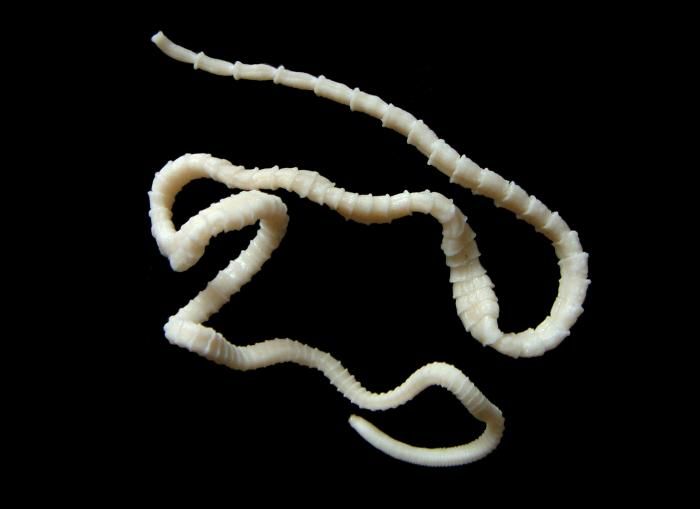
A tapeworm and a cat have this type of relationship.
a)
mutualism
b)
parasitism
c)
commensalism
d)
competition
13.
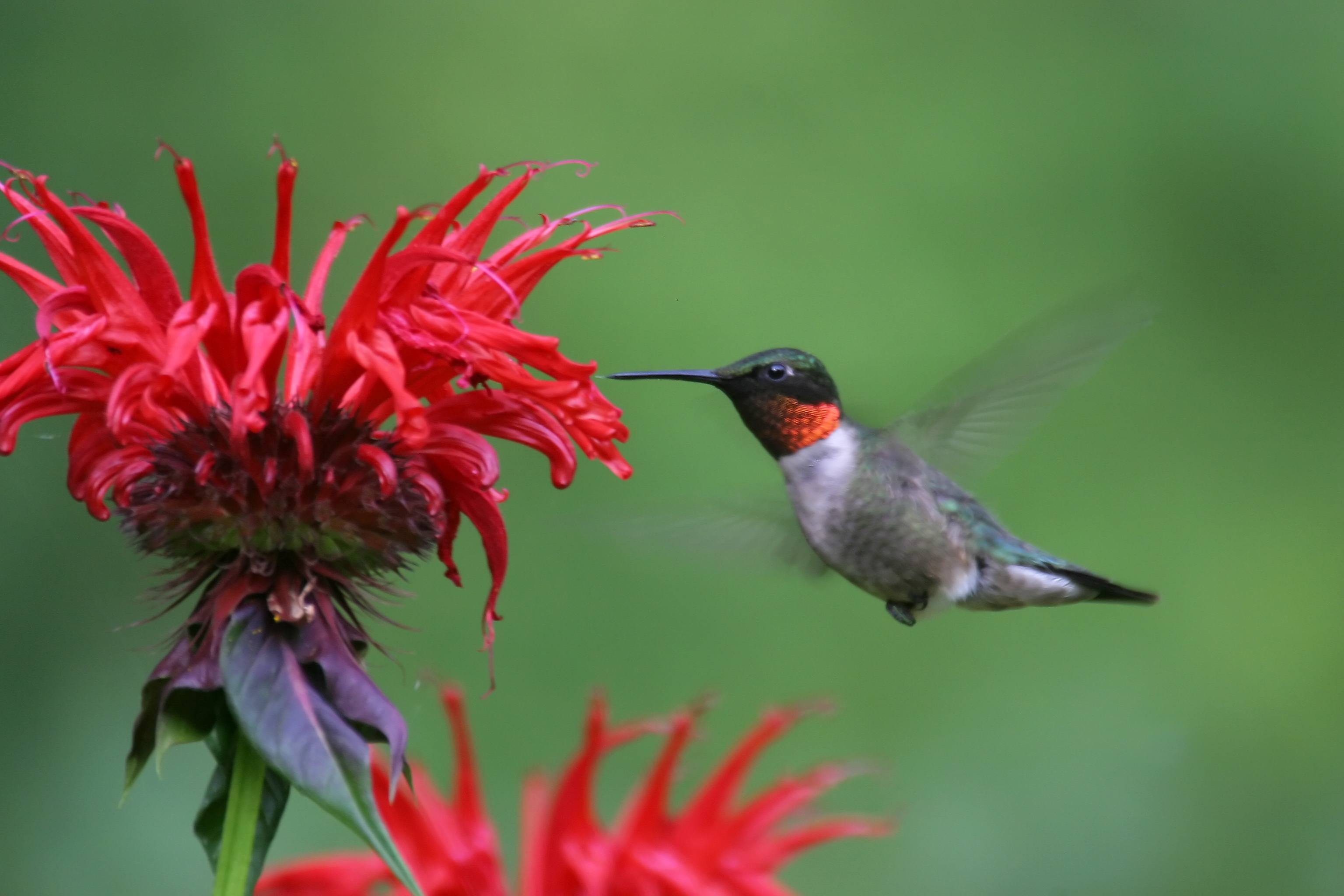
What type of symbiosis? Hummingbirds feed on nectar from flowers. The flowers are pollinated by hummingbirds as they move from flower to flower.
a)
commensalism
b)
mutualism
c)
parasitism
d)
predation
14.
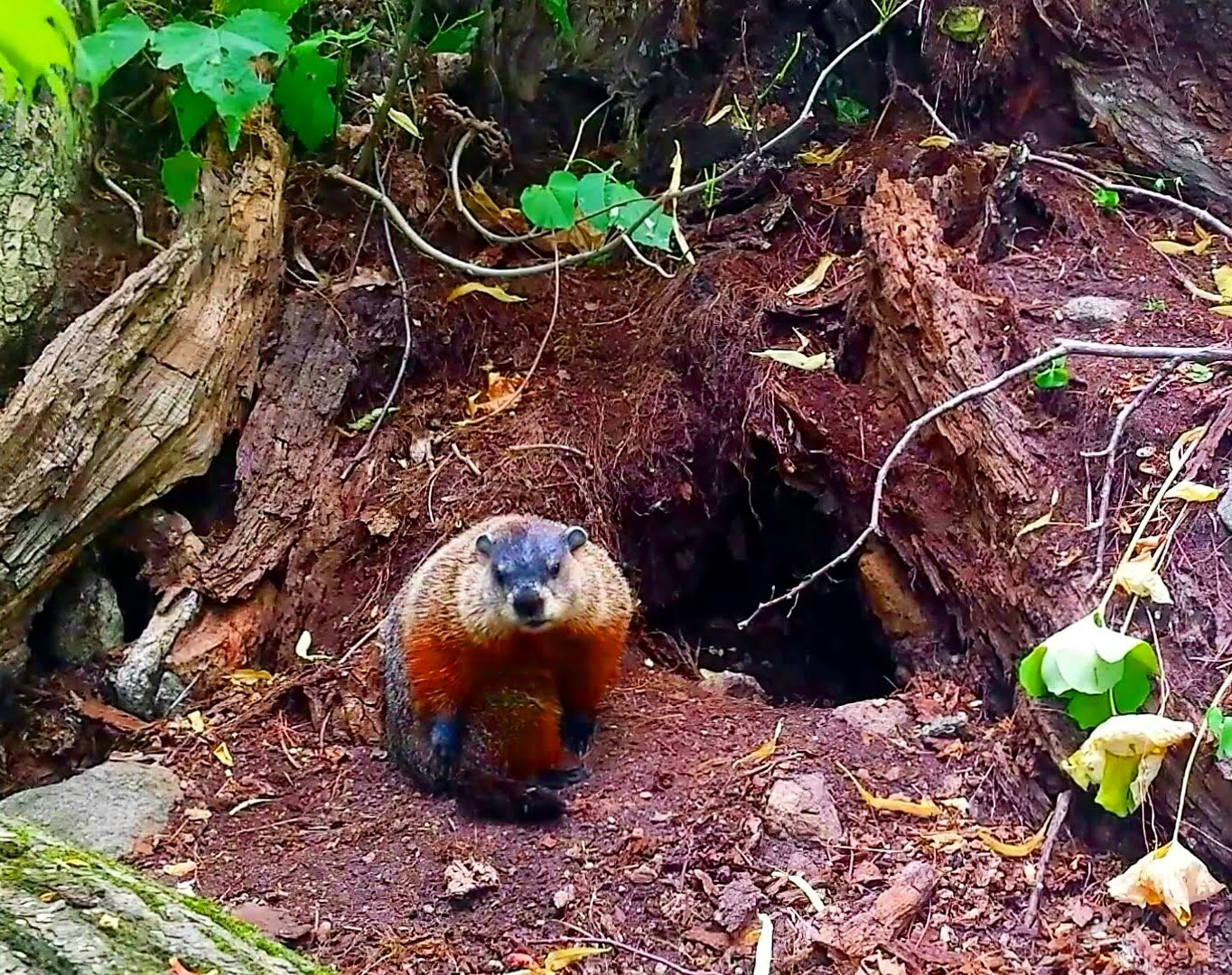
What type of symbiosis? Skunks often live in burrows that have been dug and abandoned by woodchucks.
a)
commensalism
b)
mutualism
c)
parasitism
d)
predation
15.

What would happen to the bird if the green fish died out?
a)
the bird population would grow
b)
the bird population would die out
c)
the smaller fish will die out
16.
What is the bottom layer of the an energy pyramid?
a)
producer
b)
tertiary consumer
c)
Secondary consumer
d)
primary consumer
17.
What would happen if their were no producers?
a)
Every population would grow larger
b)
Everything would die out
c)
The animals would make their own food
18.

In the energy pyramid below, which organism has the least amount of energy available?
a)
Producers
b)
Herbivores
c)
Carnivores
d)
Top Predator
19.

In the energy pyramid here, how much of the energy in the producers gets passed to the herbivores?
a)
10%
b)
20%
c)
80%
d)
90%
20.
Does the energy get lower or higher when it is transferred through each animal?
a)
It gets higher
b)
It gets lower
100 %

