
 Worksheets
Plants!
Total questions: 30
Worksheet time: 2hrs 35mins
Which plants are Nonvascular
moss
angiosperms
liverworts
hornworts
In nonvascular plants, water is absorbed by what?
osmosis
phloem
xylem
leaves
Name the parts of a vascular plant?
Roots
Stems
Leaves
Thallus
Gas exchange in the leaf to do photosynthesis is done through the what?
stomata
chloroplasts
roots
phloem
Name the vascular tissues used for transport.
xylem
phloem
epidermis
cuticle
Which vascular tissue transports water?
xylem
phloem
epidermis
cuticle
Name the types of vascular plants.
Angiosperms
Gymnosperms
seedless
mosses
An example of an angiosperm is?
Pine Tree
Fern
Moss
Flower
If you found a pinecone, it would be from a ?
angiosperm
gymnosperm
monocot
dicot
If your seedling had 1 cotyledon in the seed embryo, it would be called a what?
dicot
monocot
fern
gymnosperm
A key feature in all plants life cycle is?
single cellular cells
alteration of generations
multiple chromosomes
phil collins jr
Non vascular plants need _________to disperse spores.
water
wind
sunlight
insects
Seedless vascular plants (ferns) are____________?
sporophyte dominated
gametophyte dominated
angiosperms
gymnosperms
Name all the key ingredients plants need to survive.
sunlight
CO2
water
O2
Name key adaptations of plants that enabled them to survive on land.
cuticle
stomata
pigments
photosynthetic
The evolution of vascular plants to grow larger and allowed them to live away from water.
true
false
Growth in response to sunlight is called?
phototropism
thigmotropism
gravitropism
chlorotropism
A fern wilts away when you touch it. This is the result of?
thigmotropism
phototropism
gravitropism
sensitropism

Which part of a flower is female?
pistil
stamen
sepal
petal
What do the pollen grain and the egg become during fertilization?
They become a seed
They form a sepal
They form a new pistil
They become a fruit
Where are the seeds of angiosperms?
inside the fruit
on cones
In the leaves
In the stem
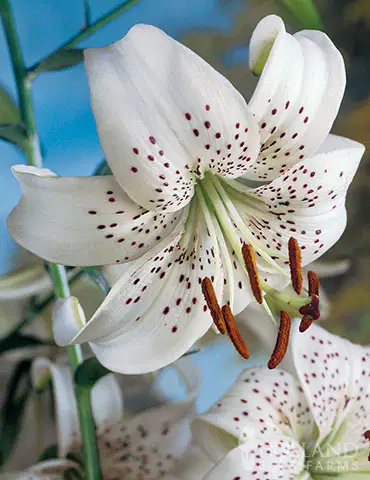
A tiger lily has six petals. What kind of plant does this make a tiger lily?
monocot
dicot
gymnosperm
Barnickot
Which part of a plant contains the seed and becomes the fruit?
The stigma
the petals
the pollen
the ovary
What does the word gymnosperm mean?
active seed
naked seed
coney seed
latin seed
Match the following with the most likely way of pollination.
gymnosperm
wind
angiosperm
insect
fern
water
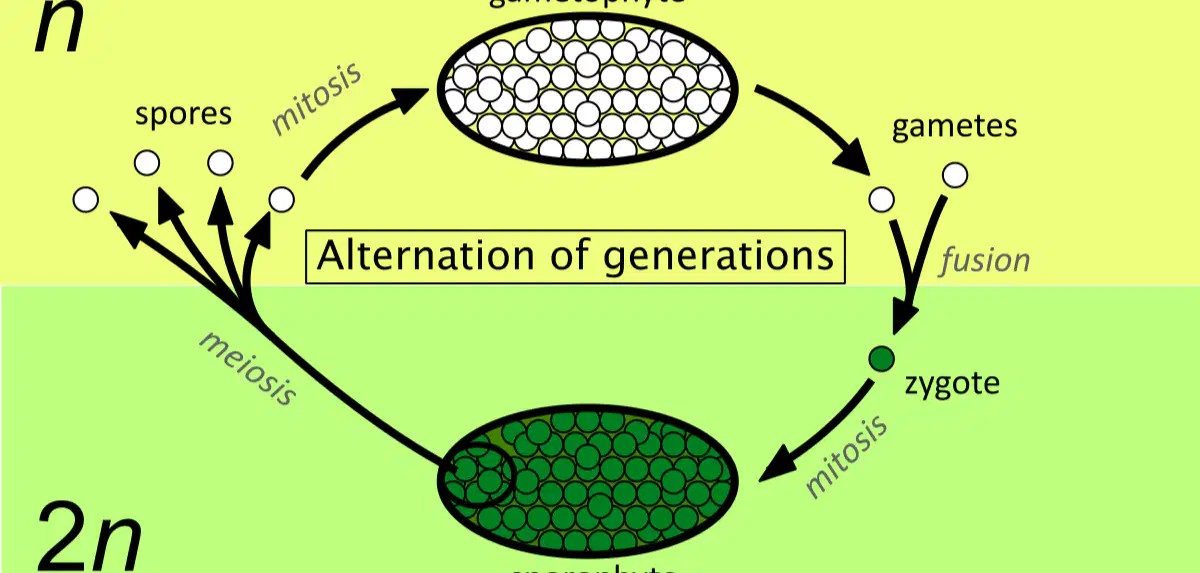
A plant that spends most of it's time in the 2n stage is called a?
sporophyte
gametophyte
zygophyte
Alternation of generations
Which is NOT a category of plants
Ferns
Angiosperms
Mosses
Bryosperms
Gymnosperms
The alternation of generations in plants goes between the diploid __________________ and haploid __________________
sporophyte, gametophyte
gametophyte, sporophyte
The vascular tissues of the plant are the ____________ which brings water up to from the roots of the plant and the _______________ which brings nutrients from the leaves to other parts of the plant
xylem, phloem
phloem, xylem
stomata, guard cell
guard cell, stomata
Which part of a plant attracts pollinator like birds and butterflies?
Flower
Leaf
Stem
Roots

