wayground logo

Free Printable Worksheets

Font size

S
M
L
XL
Worksheets

8th Grade Final Exam

Total questions: 200

Worksheet time: 2hrs 40mins

Name
Class
Date
1.
Manufacturing, especially shipbuilding, was very important to the people in this region. They had more manufacturing than any of the other regions.
a)
New England
b)
Mid-Atlantic
c)
Southern
2.
In which region would you find plantations?
a)
New England
b)
Mid-Atlantic
c)
Southern
3.
In which region would you find towns with a common area near the center?
a)
New England
b)
Mid-Atlantic
c)
Southern
4.
This colonial region was founded mostly for religious freedoms, except New Hampshire where they settled for economic reasons due to fishing and shipping. 
a)
New England
b)
Mid-Atlantic
c)
Southern
5.
This colonial region was founded mostly for economic reasons and grew cash crops on many of their plantations. 
a)
New England
b)
Mid-Atlantic
c)
Southern
6.
Which statement about the Southern Colonies is true? 
a)
The cold, dry winters prevented the planting of many crops.
b)
The warm, wet summers were good for growing tobacco.
c)
The lack of rivers and streams hurt crops and trade.
d)
The area was good for farming grains. 
7.
Which statement about the New England Colonies is true? 
a)
The cold, dry winters prevented the planting of many crops.
b)
The warm, wet summers were good for growing tobacco.
c)
The lack of rivers and streams hurt crops and trade.
d)
The area was good for farming grains. 
8.
Who could've said, "I spend my time cooking, cleaning, and raising my children?"
a)
woman
b)
farmer
c)
indentured servant
d)
an artisan
9.
Who could've said, "I grow cash crops on my land to sell to others for a profit?"
a)
woman
b)
farmer
c)
indentured servant
d)
large landowner
10.
Who could've said, "I watch as more and more people arrive by boat and move onto the land that my tribe has hunted and lived on for years. I wonder how many more will come?"
a)
American Indian
b)
a large landowner
c)
farmer
d)
an artisan
11.

Which region of American colonies had great diversity with colonists from Germany, Holland, and Ireland?

a)

New England colonies

b)

Middle colonies

c)

Southern colonies

12.

Why was education so important in many of the New England colonies?

a)

They wanted everyone to be able to read the Bible.

b)

They wanted to be more competitive with rest of the world.

c)

They felt mathematics was important in the shipbuilding industry.

13.

Which of these was not a cash crop in the Southern colonies?

a)

tobacco

b)

indigo

c)

sweet potatoes

d)

rice

14.

What was the Magna Carta?

a)

A document King John was forced to sign limiting his power and guaranteeing the right to trial by jury.

b)

A document that governments sign with their citizens to protect their rights

c)

A document signed by governors of the colonies to enforce national laws.

15.

Which region of the American colonies allowed for religious tolerance?

a)

New England colonies

b)

Middle colonies

c)

Southern colonies

16.

What impact did the English colonists have on the Native American population?

a)

Native Americans prospered and their population grew thanks to new technologies and medicine brought to America by the English colonists.

b)

Native American populations were unaffected by the English colonists.

c)

Native American populations were reduced by 90% due to disease and warfare.

17.

The Slave Trade had the greatest impact on which of the American colonial regions?

a)

New England colonies because slave were used to build ships.

b)

Middle colonies because the slaves were skilled in the manufacturing of paper and textiles.

c)

Southern colonies because the slaves provided much of the labor in producing and harvesting of the cash crops.

18.
Samuel Adams is known for what part of the American Revolution?
a)
He fired the first shot at the Battles of Lexington and Concord
b)
He was the king of Great Britain during the American Revolution
c)
He was the leader of the Sons of Liberty
d)
He was a famous for the Boston Massacre engraving
19.
What group of women protested British goods by peacefully weaving cloth?
a)
Sons of Liberty
b)
Daughters of Liberty
c)
National Women's party
d)
The Boston Tea Party
20.
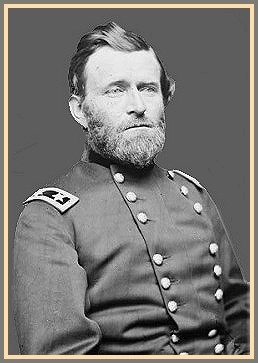
___________ was an agreement to forbid colonists from crossing over to the Appalachian Mountains.
a)
Tea Act
b)
Stamp Act
c)
Quartering Act
d)
Proclamation of 1763
21.
What was the first battle of the Revolutionary War?
a)
The Battle of Bunker Hill
b)
The Boston Massacre
c)
Battle of Saratoga
d)
Battles of Lexington and Concord
22.
Which series of Acts punished the town of Boston for the Boston Tea Party
a)
Intolerable Acts
b)
Quartering Acts
c)
Stamp Act
d)
Sugar Act
23.
"No taxation without representation" means?
a)
Colonists shouldn't be taxed if they had no one representing them in Parliament
b)
The representative can tax me
c)
Seize weapons right away
d)
None of the above
24.
Trained soldiers that were prepared to fire at a minutes notice were which of the following?
a)
Redcoats
b)
British soldiers
c)
Minutemen
d)
None of the above
25.
________ was famous for the quote "the British are coming" and the Boston Massacre engraving
a)
Paul Revere
b)
John Hancock
c)
Herbie Hancock
d)
Samuel Adams
26.
_______ was when the Sons of Liberty dumped tea into Boston Harbor.
a)
Tea Act
b)
Boston Tea Party
c)
Quartering Act
d)
Boston Massacre
27.
_______ taxed all legal documents such as books, pamphlets, newspapers, and deck of cards
a)
Stamp Act
b)
Boston Tea Party
c)
Quartering Act
d)
Boston Massacre
28.
_______ was an incident where British soldiers panicked and shot and killed five colonists in Boston.
a)
Stamp Act
b)
Boston Tea Party
c)
Quartering Act
d)
Boston Massacre
29.
_______ forced colonists to provide housing, food, and supplies for British troops.
a)
Stamp Act
b)
Boston Tea Party
c)
Quartering Act
d)
Boston Massacre
30.
__________ was a refusal to buy goods in protest.
a)
Stamp Act
b)
Boston Tea Party
c)
Quartering Act
d)
Boycott
31.

Ben Franklin created this cartoon to motivate colonists to unite against:

a)

Governor Berkeley and rich Virginians

b)

The Iroquois Confederacy and their allies

c)

The British Monarchy

d)

The French and their Native American allies

32.

Who is the most likely victim in this image?

a)

A British loyalist who is being attacked by patriots

b)

A patriot, who is being attacked by loyalists

c)

The governor of Massachusetts

d)

A British tax collector

33.

Which of these events, in the sequence of events that would lead to the Revolution, occurred EARLIEST?

a)

The Sugar Act

b)

The Declaration of Independence

c)

The Olive Branch Petition

d)

The non-importation movement

34.

How many colonists were "massacred" in the Boston Massacre?

a)

7

b)

28

c)

over 50

d)

about 120

35.

Most historians view the above image, published immediately after the Boston Massacre by Paul Revere and circulated throughout the colonies as:

a)

A trustworthy, factual representation of the event, made by someone who witnessed the event personally and quickly recorded the details.

b)

A piece of anti-British propaganda meant to whip up anti-British sentiment. #fakenews1770

c)

A piece of anti-colonial propaganda meant to whip up loyalists' anger against the patriots. #fakenews1770

d)

A useful perspective on the events from a non-biased, neutral person.

36.

Of all of the below cities, which was the most active in protests against British authority in the years before the Revolution?

a)

New York City

b)

Quebec

c)

Boston

d)

Phladelphia

37.

Name 3 items that King George III placed taxes on...

a)

Tea

b)

Sugar

c)

All paper products

d)

All of the Above

38.

What was the name of the Patriot Army?

a)

US Army

b)

Continental Army

c)

British Army

d)

Privateer Army

39.

Who led the Continental army?

a)

John Adams

b)

George III

c)

George Washington

d)

Charles Cornwallis

40.

Which of the following was a weakness of the Continental (Patriot) Army?

a)

had little money

b)

had only a small number of people to serve

c)

had no, little navy

d)

All of the above

41.

What were the strengths of the British Army?

a)

Powerful navy

b)

Well trained army

c)

a lot of money and resources

d)

All of the above

42.

What was a Hessian?

a)

German soldier fighting for the British

b)

French soldier fighting for the Patriots

c)

Spanish soldier fighting for the Patriots

d)

African American soldier fighting for the British

43.

Why was the Battle of Saratoga important?

a)

First battle of the war

b)

Bloodiest battle of the war

c)

Turning point of the war

d)

Last battle of the war

44.

What was the last major battle of the American Revolution?

a)

Trenton

b)

Saratoga

c)

Bunker Hill

d)

Yorktown

45.

What agreement officially ended the American Revolution?

a)

Treaty of Paris

b)

Treaty of Ghent

c)

Treaty of Versailles

d)

Treaty of Washington

46.

Which was NOT a major military strategy of the Americans?

a)

form alliances

b)

attrition

c)

blockades

d)

guerilla warfare

47.

What surprising thing did Washington and his troops do on Christmas Day 1776?

a)

Fled to Canada

b)

Attacked British Troops near Trenton

c)

Surrounded Cornwallis at Yorktown

d)

Eat a Christmas feast

48.

After the Battle at Saratoga, who pledged foreign aid to the Americans?

a)

Spain

b)

France

c)

Canada

d)

Germany

49.

What is the historical significance of the Battle of Bunker Hill?

a)

Patriot win that sealed an alliance with France

b)

Battle proved the war would not be an easy win for the British

c)

Last major battle of the war

d)

Turning point of the war

50.

Warfare tactic used by the Patriots

a)

linear tactics

b)

Napoleanic tactics

c)

guerilla warfare

d)

total warfare

51.

Who served as the governing body of the Americans during the American Revolution?

a)

Continental Congress

b)

Parliament

c)

General Assembly

d)

Legislative Congress

52.

Where was the Declaration of Independence written and signed?

a)

Atlanta, Georgia

b)

Philadelphia, Pennsylvania

c)

Saratoga, New York

d)

Lexington, Massachusetts

53.

Who was the British king during the American Revolution?

a)

George Washington

b)

King George III

c)

King Henry VII

d)

King Edward

54.

Who said "...give me liberty or give me death!"?

a)

Patrick Henry

b)

Thomas Paine

c)

George Washington

d)

Benjamin Franklin

55.

Who was the main author of the Declaration of Independence and the third president of the US?

a)

Benjamin Franklin

b)

Thomas Jefferson

c)

Benedict Arnold

d)

Patrick Henry

56.

Who was the famous traitor who switched from the Continental Army's side to the British side?

a)

Benjamin Franklin

b)

Paul Revere

c)

Benedict Arnold

d)

Patrick Henry

57.
Under the Articles of Confederation, which government had the MOST power?
a)
Legislative branch
b)
the president
c)
the state governments
d)
national government
58.
Under the Articles of Confederation, how many votes did each state get?
a)
Zero
b)
One
c)
Two 
d)
Three
59.
Which of the following is an example of a weakness in the Articles of Confederation?
a)
Congress couldn't collect taxes
b)
Weak national government
c)
Provided no common currency/money for all 13 states
d)
All of the  above
60.
The Articles of Confederation created a ________ national government.
a)
weak
b)
strong
c)
both strong and weak
d)
neither  strong nor  weak
61.
What is the name of the first written plan of government for the newly independent U.S.A.?
a)
Constitution
b)
Treaty of Paris
c)
Declaration of Independence
d)
Articles of Confederation
62.
Under the Articles of Confederation, the government consisted of _______________ branch of government.
a)
3
b)
2
c)
1
d)
4
63.
Under the Articles of Confederation Congress could only pass a law if ____________ out 13 states agreed. 
a)
13
b)
8
c)
9
d)
10
64.
One weakness of the Articles of the Confederation was ____________. 
a)
The ability of Congress to tax.
b)
The inability of Congress to tax.
c)
The ability of Congress to declare war.
d)
The ability of Congress to create courts.
65.
In order to change (amend) the Articles of Confederation,  __________ out of 13 states had to agree. 
a)
9
b)
10
c)
13
d)
15
66.
Under the Articles of Confederation, America used a national currency (money)
a)
True
b)
False
67.
Under the Articles of Confederation, Congress could regulate trade between the states.
a)
true
b)
false
68.
Where did the Constitutional Convention take place?
a)
Philadelphia, Pennsylvania
b)
Washington, DC
c)
Richmond, Virginia
d)
Paris, France
69.
The _______________ Plan proposed a strong federal government with two branches.
a)
Virginia
b)
New Jersey
c)
Connecticut
d)
Three-fifths
70.
The three branches of government are ________________
a)
Executive, Legislative, and Judicial
b)
Legislative, Judicial, and National
c)
Executive, Principle, and Judicial
d)
Judicial, National, and Legislative
71.
Which branch of government has two houses?
a)
Executive
b)
Legislative
c)
Judicial
d)
National
72.
Which part of the legislative branch has representation based on population?
a)
Senate
b)
Judicial
c)
House of 
Representatives
d)
House of Congress
73.

What made people concerned about the weakness of the central (federal) government under the Articles of Confederation and caused the revision?

a)

The Great Compromise

b)

Constitutional Convention

c)

The 3/5 Compromise

d)

Shay's Rebellion

74.
Who wrote the U.S. Constitution?
a)
Benjamin Franklin
b)
Thomas Jefferson
c)
James Madison
d)
George Washington
75.
Why is the Constitution considered a "living document"?
a)
It has changed with time
b)
It is rewritten by each president
c)
It has remained the same over the years
d)
It is signed each year by members of Congress
76.

What event led to the calling of the Constitutional Convention?

a)

Government can't collect taxes

b)

Shay's Rebellion

c)

Revolutionary War

d)

Boston tea party

77.
Where did the Constitutional Convention take place?
a)
Philadelphia, Pennsylvania
b)
Washington, DC
c)
Richmond, Virginia
d)
Paris, France
78.

Who is in charge of the executive branch?

a)

the President

b)

the Chief Justice

c)

the Majority Leader

d)

the Speaker of the House

79.

What does the judicial branch do?

a)

amends the Constitution and overturns laws

b)

decides if a law goes against the Constitution

c)

stipulates the number of Supreme Court Justices

d)

provides legal advice to the President and his staff

80.

What stops one branch of government from becoming too powerful?

a)

the military

b)

the Bill of Rights

c)

checks and balances

d)

the Federal Reserve

81.

What is an amendment?

a)

a change to the Constitution

b)

a preamble to the Constitution

c)

an explanation of the Bill of Rights

d)

an introduction to the Bill of Rights

82.

How many amendments does the Constitution have?

a)

10

b)

27

c)

36

d)

50

83.

Who vetoes bills?

a)

the President

b)

the Majority Leader

c)

the President Pro Tempore

d)

the Speaker of the House of Representatives

84.

If the President can no longer serve, who becomes President?

a)

the Vice President

b)

the Secretary of State

c)

the President Pro Tempore

d)

the Speaker of the House of Representatives

85.

What is the highest court in the United States?

a)

the District Court

b)

the Superior Court

c)

the Supreme Court

d)

the Municipal Court

86.

Under our Constitution, some powers belong to the federal government. What is one power of the federal government?

a)

to make treaties

b)

to issue driver's licenses

c)

to provide public education

d)

to establish police departments

87.

Who is the Commander in Chief of the military?

a)

the President

b)

the Secretary of Defense

c)

the U.S. Attorney General

d)

the Chairman of the Joint Chiefs of Staff

88.

Under our Constitution, some powers belong to the states. What is one power of the states?

a)

print money

b)

create an army

c)

issue passports

d)

provide public education

89.

How is the number of U.S. Representatives chosen for each state?

a)

by state location

b)

by state population

c)

by state geographical size

d)

by state political affiliation

90.

What is the main duty of the President's Cabinet?

a)

set policy

b)

make laws

c)

advise the President

d)

command the military

91.

Which of the following includes two major political parties in the United States?

a)

Libertarian Party and Democratic Party

b)

Progressive Party and Libertarian Party

c)

Democratic Party and Republican Party

d)

Progressive Party and Republican Party

92.
What amendment give the people freedom from unwarranted searches and seizures?
a)
8th Amendment
b)
10th Amendment
c)
3rd Amendment
d)
4th Amendment
93.
What amendment gives people the right to a speedy trial and to a lawyer?
a)
4th Amendment
b)
5th Amendment
c)
6th Amendment
d)
7th Amendment
94.
What amendment has the right to bear arms?
a)
2nd Amendment
b)
3rd Amendment
c)
4th Amendment
d)
5th Amendment
95.
What amendment provides people with the right to No excessive bail and No cruel or Unusual Punishment?
a)
7th Amendment
b)
8th Amendment
c)
9th Amendment
d)
10th Amendment
96.
The first ten Amendments are called the
a)
Constitution Day
b)
Senators 
c)
Bill of Rights
97.
What did Anti-Federalists want?
a)
A strong, central government
b)
A Bill of Rights
c)
Less power for the states
d)
To keep the Articles of Confederation
98.
What was the name of the law passed in 1787 that created new states like Ohio and Indiana?
a)
Land Ordinance
b)
Northwest Ordinance
c)
Articles of Confederation
d)
Treaty of Paris
99.

This man was the Commander-in-Chief of the Continental Army and was chosen to be the president of the Constitutional Convention.

a)

John Adams

b)

Thomas Jefferson

c)

James Armistead

d)

George Washington

100.

This Virginian delegate to the Constitutional Convention took detailed notes during the meetings and helped to propose compromises. "Father of the Constitution"

a)

George Washington

b)

James Madison

c)

Thomas Jefferson

d)

James Monroe

101.

A system of __________ and __________ is used to keep any one branch of the government from being dominant, or having too much power.

a)

checks and balances

b)

power and authority

c)

politics and philosophy

d)

life and liberty

102.

Article III of the US Constitution briefly describes the structure and function of this branch of government, which interprets the nation's laws using judges and courts.

a)

Executive Branch

b)

Judicial Branch

c)

Legislative Branch

d)

Presidential Branch

103.

What is the minimum age required to be a member of the House of Representatives?

a)

21 years of age

b)

25 years of age

c)

32 years of age

d)

35 years of age

104.

How often are the House of Representatives chosen?

a)

every 8 years

b)

every 4 years

c)

every 2 years

d)

every 6 years

105.

What is the minimum age required to be President?

a)

35 years old

b)

99 years old

c)

16 years old

d)

30 years old

106.

How long is a Senator's term?

a)

9 years

b)

14 years

c)

6 years

107.

What is the minimum age to be a member of the Senate?

a)

2 and 1/2 years old

b)

30 years old

c)

50 years old

d)

35 years old

108.

The Supreme Court has _______ members?

a)

5

b)

7

c)

9

d)

12

109.

In order to be the President, a person must be a __________________________________ of the United States.

a)

visitor

b)

natural born citizen

c)

college graduate

d)

naturalized citizen

110.

Who wanted a strong central/federal/national government?

a)

Federalists

b)

Anti-Federalists

c)

Constitutional Cronies

d)

Ardent Advocates

111.

What was the name of the papers written to support the Constitution?

a)

Lubbock Avalanche Journal

b)

Federalist Papers

c)

Anti-Federalist Papers

d)

Pentagon Papers

112.

What is the name for a legislature that has been split into two governing bodies?

a)

Unicameral

b)

Bicameral

c)

Unicongressional

d)

Bicongressional

113.
A tax on imports is called a:
a)
whiskey tax
b)
tariff
c)
cabinet
d)
bond
114.
The only President without a political party was:
a)
Washington
b)
Adams
c)
Jefferson
d)
Hamilton
115.

People will remember George Washington as the __________.

a)

"Father of our Country"

b)

"Father of the World"

c)

"Mr. Universe"

d)

"Big Daddy"

116.

An abolitionist wants to

a)

keep slavery

b)

end slavery

c)

pay slaves

117.
A tax on liquor led to the ____, which marked the first time the government sent troops to fight American citizens.
a)
Shays' Rebellion
b)
Pennsylvania tax rebellion
c)
Whiskey Rebellion
d)
Farmer Rebellion
118.

Who invented the Cotton Gin?

a)

George Harrison

b)

Eli Whitney

c)

Thomas Singleton

d)

Matthew Pershing

119.

What did the Cotton Gin do?

a)

It picked cotton a lot faster than a person could.

b)

It sowed cotton seeds a lot faster than a person could.

c)

It spun cotton into thread a lot faster than a person could.

d)

It removed the seeds from cotton a lot faster than a person could

120.

Which states benefited the most from the Cotton Gin?

a)

The northern states.

b)

The southern states.

c)

The states that had the most factories.

d)

The states along the western coast.

121.

How did the Cotton Gin affect slavery?

a)

Plantation owners needed less slaves.

b)

It didn't affect it.

c)

Plantation owners needed more slaves.

d)

Plantation owners no longer needed slaves.

122.

What are the (3) Key points George Washington touch on in his “Farewell Address”?

a)

Political parties, strong government, and Foreign Rivalries

b)

Political parties, Permanent Alliances, and European Affairs

c)

European affairs, Isolationism, and Debt

d)

None of the Above

123.

Who set the "Precedent" (Standards) for a two term Presidency?

a)

G. Washington

b)

A. Hamilton

c)

T. Jefferson

d)

J. Adams

124.

George Washington believed Political Parties were beneficial to the nation

a)

True

b)

False

125.

What was George Washington's advice on Foreign Policy?

a)

The Nation should remain neutral and avoid permanent alliances

b)

The Nation should end slavery

c)

The Nation should expand from East to West

d)

The Nation should colonize Latin America

126.
The second President, John Adams, became very unpopular when he signed these laws in response to criticism to his handling of the XYZ Affair. 
a)
Virginia & Kentucky Resolutions
b)
Embargo Acts
c)
The XYZ Acts
d)
Alien & Sedition Acts
127.
An attempt by French officials to bribe American diplomats became known as the...
a)
XYZ Affair
b)
French Affair
c)
Barbary Wars
d)
Sedition Acts
128.

Who won the election of 1800?

a)

Thomas Jefferson

b)

James Madison

c)

John Adams

d)

Aaron Burr

129.
Significance of Marbury v Madison
a)
Veto power
b)
Judicial Review
130.
He killed Alexander Hamilton
a)
Jefferson
b)
Burr
c)
Boone
131.
Jefferson purchased the Louisiana Territory from 
a)
England
b)
France
c)
Spain
132.

Barbary pirates attacked American ships

a)

True

b)

False

133.

The Barbary States of North Africa included.... [Select ALL That Apply]

a)

Morocco

b)

Algiers

c)

Tunis

d)

Tripoli

134.

Who helped Meriwether Lewis lead the exploration of the Louisiana Territory?

a)

John Adams

b)

Aaron Burr

c)

William Clark

d)

Zebulon Pike

135.

What was one of the goals of Lewis and Clark’s expedition?

a)

to build schools and hospitals

b)

to deliver documents to French officials

c)

to establish trade with Canada

d)

to find and map the northwest passage

136.

The size of the United States was doubled with

a)

the adoption of New Orleans

b)

the expedition of Lewis and Clark

c)

the Louisiana Purchase

d)

Zebolon Pike's Expedition

137.
Who was the President who sent out Lewis and Clark on their journey?
a)
George Washington
b)
Abraham Lincoln
c)
Andrew Jackson
d)
'Thomas Jefferson
138.
Who helped as a guide to Lewis& Clark along their expedition of the new territory? 
a)
Sacagewea
b)
Pochahontas
c)
James Monroe
d)
Jean Baptise
139.

The Marbury v. Madison ruling marked the first time that

a)

the Supreme Court ever met to discuss a case

b)

the Supreme Court couldn't decide how to rule on a case

c)

the Supreme Court struck down an act of Congress for being unconstitutional

140.

The Marbury v. Madison ruling is considered a landmark (important) case because it established the power of judicial review meaning that

a)

the Supreme Court can interpret the Constitution and decide what it means

b)

the Supreme Court can decide who gets federal commissions and who doesn't

c)

the Supreme Court can fire federal judges

141.

Who Killed Alexander Hamilton?

a)

Aaron Burr

b)

Thomas Jefferson

c)

James Madison

d)

John Adams

142.

One of the goals of Jefferson's Embargo Act was to avoid a war with

a)

France

b)

Great Britain

c)

Spain

d)

Russia

143.

What do you call it when the British forced American Sailors to serve in the British Navy

a)

Looting

b)

Impressment

c)

Smart Thinking

d)

Expressment

144.
Who improved the steamboat?
a)
Jo Anderson
b)
Eli Whitney
c)
Robert Fulton
145.
The community that Tecumseh and his brother started was called...
a)
Prophetstown
b)
Tippecanoe
c)
Ft. Wayne
d)
LaFayette
146.
Prophetstown was destroyed during which battle?
a)
The Battle of Tippencanoe
b)
The Battle of The Thames
c)
The War of 1812
d)
World War 1
147.

Select two causes of the War of 1812. (select 2)

a)

France gave weapons to the American Indians to fight settlers.

b)

Great Britain captured American sailors and forced them to serve in the British navy.

c)

War Birds urged Congress to declare war on Great Britain.

d)

Great Britain and France restricted trade with the United States.

148.

British soldiers who attacked Washington D.C. in 1814 burned the ______________________ and _____________________ as well as many other buildings. (select 2)

a)

The Empire State Building

b)

The White House

c)

The Capitol Building

d)

The Washington Monument

149.

Francis Scott Key was inspired to write the "Star Spangled Banner" after seeing the flag after the attack on __________________.

a)

Fort McKey

b)

Fort Jackson

c)

Fort Donelson

d)

Fort McHenry

150.

_________________________ was the first lady who saved many national treasures before the British arrived at the White House.

a)

Martha Washington

b)

Andrew Jackson

c)

Dolley Madison

d)

Francis Scott Key

151.
What was the name of the treaty between the US and The UK?
a)
Treaty of Paris
b)
Treaty of Ghent
c)
Treaty of New York
d)
Treaty of New Orleans
e)
Treaty of France
152.
What battle during the War of 1812 was fought even though the war was over?
a)
Battle of Trenton
b)
Battle of New Orleans
c)
Battle of Saratoga
d)
Battle of Paoli
153.

Which of these was a reason we referred to the time period of 1817-1825 as the Era of Good Feelings? **PICK 2 ANSWERS

a)

increased national pride

b)

economic prosperity & success

c)

war with most nations

d)

decreasing use of slaves on plantations

154.
What important piece of land did America get from Spain after the Adams-Onis Treaty of 1819?
a)
Louisiana
b)
Florida
c)
Tejas (Texas)
d)
Mexico
155.
Which state entered the union as a FREE state as part of the Missouri Compromise?
a)
Missouri
b)
Michigan
c)
Maine
d)
Minnesota
156.
Which state entered the union as a SLAVE state as part of the Missouri Compromise?
a)
Missouri
b)
Michigan
c)
Maine
d)
Minnesota
157.

What did the Monroe Doctrine state?

a)

North & South America were off-limits to European colonization

b)

The number of slave states and free states must be equal

c)

The slave trade will no longer be allowed in Missouri

d)

America should stop trading with France & England

158.

About how long was the original canal?

a)

2 miles

b)

19 miles

c)

87 miles

d)

144 miles

e)

363 miles

159.

What form of transportation eventually became more important to the Industrial Revolution?


Horses

Airplanes

Railroads

ATVs

Covered wagons

a)

Horses

b)

Airplanes

c)

Railroads

d)

ATVs

e)

Covered Wagons

160.

Jackson's practice of rewarding political supporters with government jobs became known as

a)

the spoils system.

b)

Jacksonian democracy.

c)

mudslinging.

d)

a corrupt bargain.

161.
What was the name of the journey made by Cherokee Indians after they were removed from their land?
a)
Indian Removal Act
b)
Trail of Sorrows
c)
Trail of Tears
d)
Nullification Act
162.
The nullification crisis occurred when
a)
the Supreme Court declared the tariff laws null and void.
b)
Congress refused Jackson's request to repeal the tariff laws.
c)
South Carolina threatened to secede if the tariff laws were enforced.
d)
Jackson threatened to make South Carolina leave the Union by force.
163.

Andrew Jackson was seen as a national hero after defeating the British at what battle?

a)

Battle of New Orleans

b)

Battle of Yorktown

c)

Battle of Little Big Horn

d)

Battle of Saratoga

164.

In 1833 this man became President of Mexico?

a)

Antonio Lopez De Santa Anna

b)

Miguel Hidalgo

c)

Porfirio Diaz

d)

Benito Juarez

165.

An American legend (Frontiersman, folk hero, and Congressman) who fought for Texan Independence and died at the Alamo.

a)

James K Polk

b)

Davy Crockett

c)

Henry Clay

d)

Willliam Wallace

166.

In February 1836 a Mexican army of 5,000 troops advance on a small Texan force barricaded in this nearby mission?

a)

The Alamo

b)

San Antonio

c)

San Jacinto

d)

Goliad

167.

After the Battle of San Jacinto Mexico signed a treaty recognizing Texan independence. Texans elected this man president?

a)

Sam Houston

b)

William Travis

c)

Stephen Austin

d)

Jim Bowie

168.

The Cherokee, Creek, Seminole, Chickasaw, and Choctaw people were collectively known as?

a)

The Five Civilized Tribes

b)

Five Warrior Tribes

c)

Native American Nation

d)

Native American People

169.

The following Quote was said by _________________: "John Marshall made his decision.... Now let him enforce it."

a)

Henry Clay

b)

John Marshall

c)

Andrew Jackson

d)

John Ross

170.

The consequences of the Indian Removal Act were

a)

1/4 of the people that traveled the Trail of Tears died

b)

Native Americans were pushed onto land that was not suitable for their way of life

c)

the government established a pattern of treating Native Americans as being inferior

d)

all of these

171.

Between 1840 and 1860 what route did people choose to travel on?

a)

Idaho Trail

b)

West Route

c)

Pioneer Road

d)

Oregon Trail

172.
What were the difficulties of the Oregon Trail?
a)
Length of the journey
b)
Disease
c)
Weather
d)
All of the above
173.
Why would people head West on the Oregon Trail?
a)
Free pizza at the end of the trip.
b)
They win a million dollars.
c)
New land, opportunities & life.
d)
The Oregon coast was prettier than the East coast.
174.
Why did the U.S. and Mexico go to war?
a)
All of these answers are correct
b)
The U.S. and Mexico disagreed over their boundary
c)
America's continued desire to achieve manifest destiny
d)
The U.S. recently annexed Texas
175.
 What year did the gold rush in California begin? 
a)
1492
b)
1619
c)
1776
d)
1848
176.
What was the nickname for people who moved to California during the gold rush? 
a)
Surfers
b)
Coasters
c)
Forty Niners
d)
Raiders
177.
Border Ruffians from Missouri voted in the first territorial election because:
a)
they intended to move to Kansas Territory in the future.  
b)
they wanted to see if they could get away with illegally voting in another state.  
c)
they wanted the proslavery forces to take control of Kansas Territory.  
d)
they did not know where the border of Missouri was located.  
178.
? was a well-known abolitionist who was willing to use violence to end slavery and was hanged for treason.  
a)
David Rice Atchison
b)
John Brown
c)
Andrew Reeder
d)
Charles Robinson
179.
Abolitionists believed slavery was immoral and should be abolished.  
a)
True 
b)
False
180.

What senator wrote the Kansas-Nebraska Act?

a)

Franklin Pierce

b)

Stephen Douglas

c)

John Brown

d)

Charles Hamilton

181.
People from Missouri that crossed over to Kansas were called
a)
Abolitionists
b)
Scaliwags
c)
Border Rufians
d)
State Ditchers
182.

Who was Dred Scott?

a)

Ex-slave, Lincoln's advisor

b)

Escaped slave, ended free in Iowa

c)

Pro-slavery sheriff

d)

Slave who sued the government for his freedom
183.
The Union General that forced General Lee to surrender at Appomattox.
a)
Fort Sumter
b)
Abraham Lincoln
c)
Robert E. Lee
d)
Ulysses S. Grant
184.
A book written by Harriet Beecher Stowe that described the cruelty of slavery.
a)
Gone with the Wind
b)
Across the Lines
c)
Uncle Tom's Cabin
d)
Gettysburg
185.
One of General Lee's most important generals who would stand like a "Stonewall" during battles and was accidentally killed by his own men.
a)
Jefferson Davis
b)
Thomas "Stonewall" Jackson
c)
Robert E. Lee
d)
Ulysses S. Grant
186.
To break away from a group
a)
state's rights
b)
slavery
c)
Gettysburg
d)
secede
187.
The place where Confederate General Robert E. Lee surrendered his army to General Ulysses S. Grant.
a)
Fort Sumter
b)
Sherman's March to Sea
c)
Appomattox Court House
d)
Uncle Tom's Cabin
188.
Southern General from Virginia who led the South's largest army and lost a major battle at Gettysburg, Pennsylvania.
a)
Jefferson Davis
b)
Robert E. Lee
c)
Abraham Lincoln
d)
Ulysses S. Grant
189.
An abolitionist who tried to start a slave rebellion by attacking an armory at Harpers Ferry, VA.
a)
Fort Sumter
b)
Sherman's March to Sea
c)
state's rights
d)
John Brown's raid on Harpers Ferry
190.
President of the U.S. during the Civil War who issued the Emancipation Proclamation which freed slaves in the states that seceded.
a)
George Washington
b)
Thomas Jefferson
c)
Ulysses S. Grant
d)
Abraham Lincoln
191.
The 1st and only President of the Confederacy during the Civil War.
a)
Abraham Lincoln
b)
Robert E. Lee
c)
Ulysses S. Grant
d)
Jefferson Davis
192.
The place where Confederate cannons opened fire thus starting the Civil War
a)
Sherman's March to Sea
b)
Gettysburg
c)
Atlanta Campaign
d)
Fort Sumter
193.
Which item would best complete the list?
a)
Inexperienced military leaders
b)
Lack of Industries
c)
Larger Population
d)
Lack of agricultural land
194.
The Battle of Vicksburg was important in the Civil War because it --
a)
allowed the Confederate army to seize Washington D.C.
b)
broke the Union blockade along the Gulf of Mexico
c)
enabled the Confederate army to seek French assistance
d)
gave the Union army control of the Mississippi River
195.
Which number on the map labels the state that first seceded from the Union?
a)
1
b)
2
c)
3
d)
4
196.
At the beginning of the Civil War, President Abraham Lincoln maintained that the war was being fought to 
a)
uphold national honor
b)
prevent foreign involvement
c)
free all slave 
d)
preserve the Union
197.
Abraham Lincoln's Emancipation Proclamation declared --
a)
United State's freedom from Great Britain
b)
an end to the Civil War
c)
freedom for slaves in rebellious southern states
d)
the beginning of Reconstruction
198.
What was the most important advantage the North had during the Civil War?
a)
unified popular support for the war effort
b)
superior military leadership
c)
economic aid from Great Britain and France
d)
greater human and economic resources
199.
What advantage did the South have the North during the Civil War?
a)
greater manufacturing
b)
more effective navy
c)
better government
d)
more capable military leaders
200.
What document is considered a primary source from the Civil War?
a)
a biography of the life of a war general
b)
a letter from the wife of a soldier during the war
c)
an encyclopedia article about women in the war
d)
a documentary on medical treatments used during the war