
 Worksheets
RECURSAMIENTO INGLÉS 1
Total questions: 205
Worksheet time: 3hrs 44mins
Las tres inflexiones del verbo TO BE son:
am - is - are
he - she - it
an - the - a
a - are - am
Para She, He, and It se utiliza...
are
Because
is
Todas las anteriores son correctas
_________ son plurales
We - I - she
We - you - he
You - are - It
We - they - you
She, He, and It son____
Plurals
Singular
Regular
Irregular
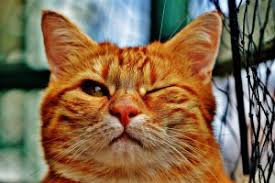
The cat ____ on the table.
are
the
it
is

Bob esponja ____ happy.
are
are is
the
is
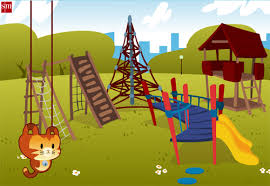
We ____ in the park.
are
is
it
they

1. Carlos and Frank ________ boys, but Rosa and Melanie _______ girls.
IS
ARE
THEY
IT
El verb to be es utilizado para...
Países
Edad
Singulares
Alfabeto

¿Cuál de las siguientes opciones de estructura positiva está correcta?
Sujeto + not + verbo + complemento
Sujeto + complemento + verbo
Sujeto + verbo + complemento
<<which one (singular)>>?
<<what>>?
<<where>>?
<<why>>?
<<whose>>?
<<when>>?
<<how many>>?
<<how (do you do something)>>?
<<how (with health or feelings)>>?
<<how much>>?
<<which ones (plural)>>?
Escribe la estructura del Verbo To Be en Presente Simple Negativo
Escribe la estructura del Verbo To Be en presente simple interrogativo


Daniel __________ (fly) to Paris once a year.
fly
flies
flyes
flys
She never ____________ (do) her homework.
do
does
dos
doss
Lisa _______________ (try) to help her sister.
try
tries
tryes
trys
Mark ___________ (go) home at seven.
go
goes
gos
goss
The baby __________ (cry) every night.
cry
cries
cryes
crys
He __________ (miss) her a lot.
miss
misss
miss
misses
Joe __________ (study) really hard.
studies
study
studys
studyes
A boy __________ (kiss) a girl.
kiss
kisss
kis
kisses
Joana __________ (buy) new stuff all the time.
buy
buys
buis
buyes
Tim __________ (watch) this show every night.
watch
watches
watchs
watchss
Sara __________ (say) this all the time.
say
saies
says
sayes
The teacher __________ (teach) us new things.
teach
teaches
teachs
teachss
He __________ (pay) me well.
pay
pays
payes
paies
Barbara __________ (wash) the dishes, and Leo washes the floor.
wash
washes
washs
washies
Nick __________ (play) tennis twice a week.
play
plaies
plays
playes
This girl always __________ (push) somebody.
push
pushes
pushs
pushss
Isabella __________ (enjoy) listening to music.
enjoy
enjoyes
enjoies
enjoys

My dog...................with his ball
plays
is playing
play
playing
The dogs ________ in the garden.
do sleep
sleeps
sleep
are sleep
The dogs ________ in the garden.
do sleep
sleeps
sleep
are sleep
My parents___________ TV.
aren't watch
doesn't watch
not watch
don't watch
_________ Max and Carol feel in love?
Do
Does

WHO la usamos para preguntar...
por una persona
para pedir información
por un lugar
cuando sucede la acción

WHEN la usamos para preguntar...
por una persona
para pedir información
por un lugar
cuando sucede la acción

WHAT la usamos para preguntar...
por una persona
para pedir información
por un lugar
cuando sucede la acción

WHERE la usamos para preguntar...
por una persona
para pedir información
por un lugar
cuando sucede la acción

En esta oración estamos preguntando por...
quién es el niño
dónde esta el niño
cuándo viene el niño
qué quiere el niño

En esta oración estamos preguntando por...
de quién es la fiesta
dónde es la fiesta
cuándo es la fiesta
para qué quieren la fiesta

En esta oración estamos preguntando por...
de quién es la mesa
dónde esta la mesa
de qué esta hecha la mesa
qué hay encima de la mesa

En esta oración estamos preguntando por...
de quién es el libro
dónde esta el libro
cuándo traen el libro
de qué es el libro

En esta oración preguntamos...
quién esta comiendo
qué esta comiendo
cuándo come
dónde esta comiendo

En esta oración preguntamos...
quién es el gato
qué dice el gato
cuándo dice el gato
dónde esta el gato

En esta oración preguntamos...
quiénes son los peces
qué hacen los peces
cuándo viven los peces
dónde viven los peces

En esta oración preguntamos...
quién baila
qué hace
cuándo baila
dónde baila

Lee la oración y la pregunta, luego selecciona la respuesta correcta


Lee la oración y la pregunta, luego selecciona la respuesta correcta


Lee la oración y la pregunta, luego selecciona la respuesta correcta

Lee la oración y la pregunta, luego selecciona la respuesta correcta


Lee la oración y la pregunta, luego selecciona la respuesta correcta


¿Cuál es tu restaurante favorito?
Who is your favorite restaurant?
Which is your favorite restaurant?
Why do you have a favorite restaurant?
When do we go to your favorite restaurant?

¿Cuándo vas de vacaciones?
Why do you go on vacation?
Who goes on vacation?
What goes on vacation?
When do you go on vacation?

¿Quién cocina la comida?
Why cook the food?
Who cooks the food?
When does he cook the food?
Which cooks the food?

¿A qué hora te vas a la escuela?
At what time do you go to school?
At whose time do you leave for school?
When do you arrive early?
What do you take to school?

¿Qué hora es?
Whose time is it?
Why is it time?
What time is it?
When is it time?

¿Dónde está tu camiseta?
Which is your t-shirt?
Why is that a t-shirt?
Where is your t-shirt?
What is a t-shirt?

¿Cuántas galletas puedes comer?
When can you eat cookies?
Why can you eat cookies?
How many cookies can you eat?
Who can eat cookies?

¿Cuánto cuesta la comida?
How much does the food cost?
Why does the food cost?
Who does the food cost?
What is the food cost?

¿Cómo estás?
Why are you?
How are you?
Who are you?
What are you?

¿Cómo se escribe tu nombre?
When do you write your name?
What do you write your name?
Why do you write your name?
How do you write your name?

¿Cuándo vas al banco?
Why do you go to the bank?
When do you go to the bank?
Who goes to the bank?
How do you go to the bank?

¿Cuándo es tu cumpleaños?
Who is your birthday?
When is your birthday?
What is your birthday?
Why is your birthday?

Why can't we play videogames?
¿Por qué?
¿quién?
¿Cuándo?
¿Cómo?
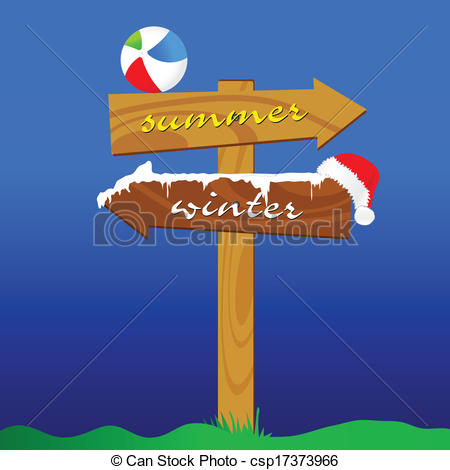







February is the ... month of the year.
shorter
longest
shortest
longer
¿ Cuál es el comparativo que se debe usar para adjetivos cortos?
est
more
er
most
¿Cuál es el superlativo para adjetivos largos?
more
the
most
the most
¿Cuál es el superlativo para adjetivos cortos?
est
er
the adj-est
more
¿Cuál es el comparativo para adjetivos largos?
than
more adjetivo than
most
er
¿Cuál es el comparativo de igualdad?
as
er
the most
as adjetivo as
Completa la frase:
Los comparativos y superlativos irregulares_____
cambian del adjetivo normal
quedan igual que el adjetivo
solo se coloca una S
ninguna de las anteriores

¿Cuál es el adjetivo comparativo de good?
best
gooder
better
goodest
¿Cuál es el comparativo de bad?
badder
worse
worst
ninguna de las anteriores

COMPARATIVE ADJECTIVES
se usan con el fin de comparar cosas o personas en relación a una cualidad.
expresan el grado máximo de una característica de un elemento con respecto a otros de su mismo grupo o condición.
describen una cualidad en el sujeto

I AM ------------ THAN MY FRIEND
(YO SOY MAS RAPIDO QUE MI AMIGO)
(a)

Comparatives and superlatives are special types of adjectives used when comparing two or more things
TRUE
FALSE
This is the (a) box I've ever seen.
(Esta es la caja más pequeña que he visto.)

Adjectives with two syllables can form the comparative either by adding -er or by preceeding the adjective with more.
TRUE
FALSE

the superlative of happy is:
(a)

The superlative adjectives
se usa con el fin de comparar cosas o personas en relación a una cualidad.
expresan el grado máximo de una característica de un elemento con respecto a otros de su mismo grupo o condición
LOS GRADES OF ADJECTIVES SON:
COMPARATIVOS DE SUPERIORIDAD
COMPARATIVOS DE CUALIDAD
COMPARATIVOS DE INFERIORIDAD
COMPARATIVOS DE IGUALDAD

UN COMPARATIVO DE INFERIORIDAD ES:
Daniel is as fast as Juan
Daniel is not as fast as Juan.
Juan runs faster than Daniel

Today is the (a) day I've had in a long time
(Hoy es el peor día que he tenido en mucho tiempo.)

LOS COMPARATIVOS DE IGUALDAD
utilizamos la conjunción “as…as”
usamos las conjunciones “not as…as” or “less…than”.
está en la forma comparativa seguida por el “than”.

This episode was (a) than any other movie in the series.
(Este episodio fue más corto que cualquier otra película de la serie)

En los adjetivos de una sílaba generalmente se añade la terminación final -er en los comparativos.
TRUE
FALSE

THE COMPARATIVE OF EXPENSIVE IS:
(a)

Reading is ............ ............. than watching television
(Leer es más interesante que ver la televisión)
(a)

Comparatives and superlatives in Adjectives of more than two syllables
Se añade a los adjetivos comparativos la partícula more en posición precedente sin que estos sufran ninguna alteración. En el caso de los adjetivos superlativos, se añade the most en posición precedente sin que éstos sufran ninguna alteración.
se les puede añadir la terminación -er
se añade el artículo the delante del adjetivo y la terminación -est detrás.

Taking the bus is (a) than taking the car
(Tomar el autobús es más barato que tomar el coche)

GOOD AND BAD ARE IRREGULAR ADJECTIVES
TRUE
FALSE

Lucas is (a) than Lily.
(LUCAS ES MAYOR QUE LILY)

Paris is the .............. ................. city I have ever seen.
(París es la ciudad más bonita que he visto nunca)
(a)
... a big group of people looking at things in the museum.
There
There is
There are
There ... a small cat playing with some toys.
are
have
is
A: Are there two birds in the tree?
B: Yes, ...
there is
are there
there are
A: ... a taxi waiting for us?
B: Yes, ...
Is there/ is there
Is there/ there is
Are there/ there is
...an error in this exercise.
There is
There are
_________________five pens in the box.
There are
There is
_____________ a telephone in the bedroom.
There are
There is
____________four chairs in the room.
There is
There are

There are supermarkets
There is a supermarket
There isn´t a supermarket

There is a swimming pool
There are five swimming pools
There isn´t a swimming pool

There are two libraries
There is a library
There isn´t a library

There are two teachers and three students
There is a teacher and two students
There is a teacher and five students

NO HAY
¿Cuál usamos cuando la palabra que va después es CONTABLE y PLURAL?
There is
There are
There isn't
There aren't

HAY
¿Cuál usamos cuando la palabra que va después es CONTABLE y SINGULAR?
There is
There are
There isn't
There aren't

NO HAY
¿Cuál usamos cuando la palabra que va después es CONTABLE y SINGULAR?
There is
There are
There isn't
There aren't

HAY
¿Cuál usamos cuando la palabra que va después es INCONTABLE?
There is
There are
There isn't
There aren't

NO HAY
¿Cuál usamos cuando la palabra que va después es INCONTABLE?
There is
There are
There isn't
There aren't

HAY
¿Cuál usamos cuando la palabra que va después es CONTABLE y PLURAL?
There is
There are
There isn't
There aren't

HAY y NO HAY
¿Cuáles usamos cuando la palabra que va después es CONTABLE? Pulsa TODAS las opciones válidas.
There is
There isn't
There are
There aren't

HAY y NO HAY
¿Cuáles usamos cuando la palabra que va después es INCONTABLE? Pulsa TODAS las opciones válidas.
There is
There isn't
There are
There aren't

HAY y NO HAY
¿Cuáles usamos cuando la palabra que va después es CONTABLE y SINGULAR? Pulsa TODAS las opciones válidas.
There is
There isn't
There are
There aren't

HAY y NO HAY
¿Cuáles usamos cuando la palabra que va después es CONTABLE y PLURAL? Pulsa TODAS las opciones válidas.
There is
There isn't
There are
There aren't
we bought that house last year It is ____________
ours
yours
her
your
This car belongs to Mr. and Mrs. Smith. It is __________
hers
ours
Theirs
his
I think I saw John drop this pen. I think it is _____________
mine
theirs
hers
his
This book is _______________. It has my name on it.
his
hers
mine
theirs
My brother and I made that chair. It’s_______________
mine
ours
his
hers
Excuse me. This phone is ____________. You forgot to take it with you.
yours
mine
its
hers
Her sister drew the picture. It’s_______________
ours
theirs
mine
hers
The little boy shouted, “Give the ball to me! It’s ____________!”
yours
theirs
mine
his
That’s _____________. We bought it last night at the department store
his
mine
its
ours
The bicycles were ____________, so they rode them home after school.
hers
his
theirs
ours
This is ___________- you ordered the pizza. I ordered the spaghetti
theirs
mine
yours
his

whose cat is that?
It's she
It's his
It's hers
It's she

Whose notebooks are those?
They are ours
They are mine
They are theirs
They are his

Whose doll is that?
It's mine
It's his
It's yours
It's hers

Whose cap is that?
It's his
Its his
It's theirs
It's mine

Whose cupcakes are those?
They are mine
They are his
They are hers
They are yours

It's their ball
It's theirs
It's mine
It's yours
Its ours

This is their treehouse
It's their
It's them
It's they
It's theirs

Those are our cookies
They are our
They are ours

That's her book
It's his
It's her
It's his notebook
It's hers

