
 Worksheets
Basic Design Elements of Art and Principles of Design
Total questions: 67
Worksheet time: 2hrs 14mins


What principle does this image demonstrate?
Pop Art
Variety in shape and color
Flowers make good subjects in art
What principle does this image demonstrate?
Pop Art
Variety in shape and color
Flowers make good subjects in art


Balance is the principle where movement leads your eyes to the focal point
True
False
Principle with 2 contrasting elements of art
Complementary
Rhythm
Pattern
Contrast
Unity is when you distribute the visual weight in a painting
True
False

This is an example of...
Contrast
Pattern
Emphasis
Forms

This principle of design has distribution of visual weight in an artwork. The three types are symmetrical, asymmetrical, and radial.
Emphasis
Balance
Proportion
Unity

Pattern decorates the artwork with regularly repeated elements such as shapes or color.
Contrast
Balance
Pattern
Proportion

Is the difference between elements in a composition. This can happen through a variety of elements such as value change, size difference, etc
Unity
Emphasis
Movement
Contrast

is the creation of a focal point in an artwork.
Emphasis
Symmetrical Balance
Unity
Proportion

This design refers to the dimensions of a composition and relationships between height, width and depth. It is used will affect how realistic or stylised something seems
Asymmetrical Balance
Contrast
Movement
Proportion

the imposition of order and harmony on a design
Unity
Radial Balance
Contrast
Emphasis

This design helps the eye travels through an artwork. It can lead the viewer from one aspect to another within the composition
Line
Contrast
Movement
Pattern
When all of the elements in a work look as though they belong together it is called
form
unity
contrast
emphasis
This is used to create dominance and focus as a work if art
Unity
Movement
Line
Emphasis
This is the repetition of visual Movement- Colors, shapes, or lines
Rhythm
Movement
Value
Unity
The distribution of visual weight in a work of art is known as
Balance
Contrast
Space
Emphasis
This refers to differences in values, colors, textures, shapes, and other elements. Opposites on the color wheel and on a value scale also apply to this.
Color
Balance
Contrast
Value
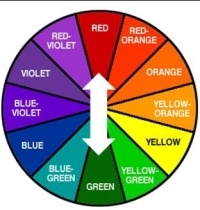
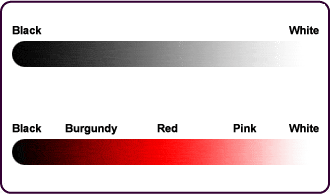
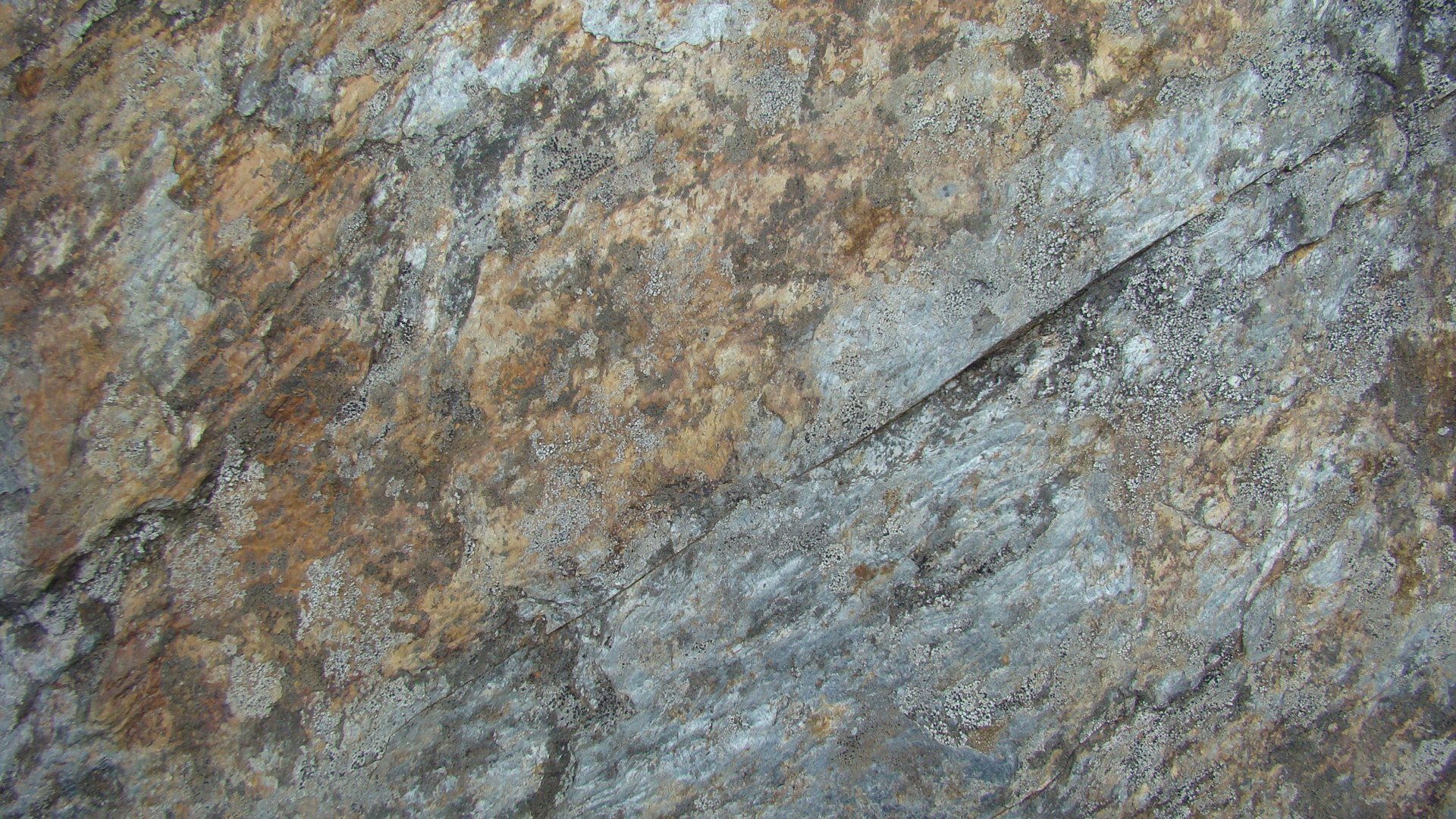
An area of enclosed space is called a
line
shape
space
place
An organic shape is a shape that
is made of natural ingredients
is irregular, or has no defined name
is easily named
A geometric shape is a shape that
is irregular
is easily named, like a circle, square, or triangle
is not a shape
What is form?
When an object is, or appears to be, three dimensional.
A shape that is irregular.
A tone.
What is value?
When an object is 3D
A mark on paper
The lightness or darkness of a color
What is space?
An irregular shape
Creating a sense of depth using positive and negative areas
the lightness and darkness of a color
What is color?
The way our eye perceives light, creating a variety of hues
When an object is 3D
When an artwork is black and white
What is texture?
When an object is 3D
The way our eye perceives light
The way an object feels, or looks like it would feel

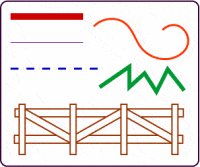
What element of art is demonstrated in the picture?
Line
Form
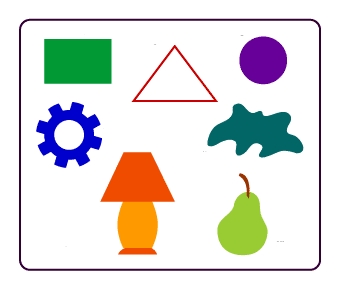
Shape
Textrue

What element of art is demonstrated in the picture?
space
form
shape
line

What element of art is demonstrated in the picture?
texture
form
line
space

What element of art is demonstrated in the picture?
line
color
texture
space

What element of art is demonstrated in the picture?
line
value
texture
space

What element of art is demonstrated in the picture?
line
space
value
color
What is value?
A mark on a surface that describes a shape or an outline
A 3-dimensional object having volume and thickness.
The degree of light and dark in a design.
Refers to light that is reflected off objects and has three properties, hue, intensity and value.
What is texture?
Overlap, Shading, Placement, Size, Value and Focus, Linear Perspective
Your eye level line; the place where land and sky appear to meet.
The colors obtained by mixing a primary color and an adjacent secondary color
Refers to surface quality, either tactile or visual
Blue, red and yellow
What are the primary colors?
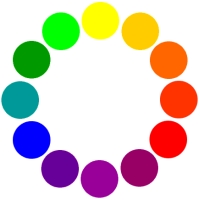
What are the secondary colors?
What are the tertiary colors?
What are the analogous colors?
A mark on a surface that describes a shape or an outline
Shape
Line
Form
3-D
What is shape?
A 2-dimensional line with no form, end, or thickness that can be placed into one of two categories, geometric or organic.
Colors that are next to each other on the color wheel.
A mark on a surface that describes a shape or an outline
A 3-dimensional object having volume and thickness.
A 3-dimensional object having volume and thickness.
What is volume?
What is form?
What is texture?
What is shape?
The area between and around objects.
What is shape?
What is space?
What is texture?
What is line?


