
 Worksheets
Reproduction in flowering plants
Total questions: 20
Worksheet time: 11mins
The part of the stamen that produces pollen grains is the ___.
anther
stigma
filament
ovary
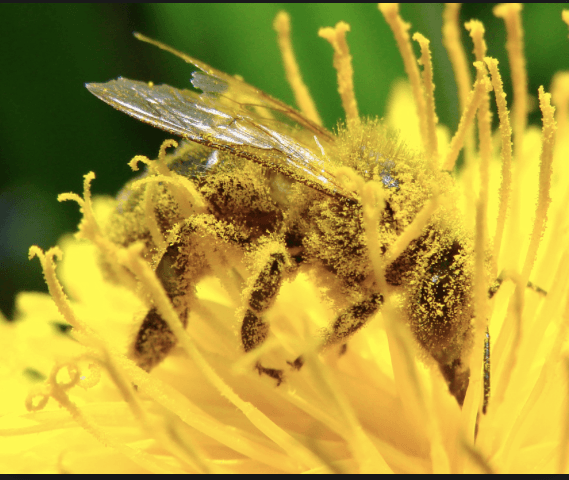
Pollination is the process by which pollen
causes people to sneeze
is formed inside a plant
moves from anther to stigma
moves from stigma to stamen
A bee buzzes inside a flower to drink some nectar. While there it touches the stamen. Later the bee goes to another flower and comes into contact with the flower's stigma. Which process of reproduction is this helping with?
pollination and fertilization
plant growth and fertilization
germination and pollination
seed dispersal and germination

What part of the flower is B ?
stigma
petal
ovary
pollen

The petals job is not only to protect the reproductive parts of the plant, but also to
keep wind away from the stamen
attract pollinators with their colors
absorb sunlight
fall off and become food for bugs

After fertilization, each _______forms a seed, while each _________forms a fruit.
ovary ... ovule
ovule ... ovary
egg ... ovary
pollen ... ovary
ovary ... pollen
Fruit X is fleshy and bright-red in colour. The likely dispersal method for its seeds is by ____________.
animal
wind
water
splitting
[Multi-Answer] Which of the following features suit a wind-dispersed fruit/seed?
wing-like structures
light
colourful
can float on water
The process of the pollen fusing with the ovule is called ________________.
pollination
fertilisation
germination
reproduction
After fertilisation, the seeds are formed inside the _________.
ovule
ovary
flower
stalk
Which one of the following is the correct order in which a plant may reproduce?
Fertilisation, pollination, germination, seed dispersal, seed formation.
Germination, pollination, seed dispersal, fertilisation, seed formation.
Pollination, fertilisation, seed formation, dispersal, germination.
Pollination, seed formation, fertilisation, germination, seed dispersal.
A wind-pollinated flower will have
small petals, nectar and produce scent
small petals, large anthers and have a feathery stigma
large anthers, coloured petals and produce nectar
large petals, small anthers and produce scent
Which one of the following is a feature of a wind-pollinated flower?
The flower has a large amount of pollen grains.
The carpels are located inside the petals.
The stamen are located inside the petals.
The petals are brightly coloured.
How are the pollen grains of insect-pollinated plants adapted for transfer?
They are smooth and light
They are produced in very large amounts
They are sticky or spiky
Which statement about wind-pollinated plants is correct?
Their stamens and stigmas are inside the flower and, compared to insect-pollinated plants, they have large petals
Their stamens and stigmas are outside the flower and, compared to insect-pollinated plants, they have small petals
Their stamens and stigmas are outside the flower and, compared to insect-pollinated plants, they have large petals

