
NEW
Font size
S
M
L
XL
 Worksheets
SOLAR SYSTEM
Total questions: 20
Worksheet time: 2hrs 40mins
Name
Class
Date
1.
How long does it take to the Earth to do the ROTATION MOVEMENT?
a)
365 days
b)
24 hours
c)
24 hours + 6 hours
d)
28 days
2.
What is the Sun?
a)
It is a satellite
b)
It is a Star
c)
It is a comet
d)
It is a planet
3.
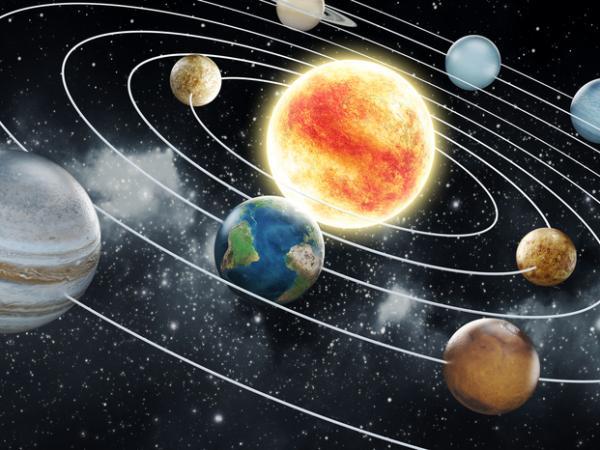
How many planets are there in the Solar System?
a)
eight
b)
three
c)
nine
d)
ten
4.
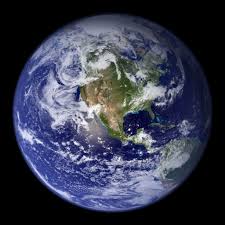
What is the planet ?
a)
Mars
b)
Earth
c)
Pluton
5.
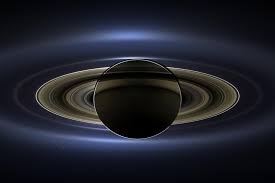
what is the planet ?
a)
Uranus
b)
Venus
c)
Saturn
6.
Mercury is the smallest planet in the Solar System.
a)
True
b)
False
7.
Which planet is closest to the sun?
a)
Uranus
b)
Mercury
c)
Neptune
d)
Earth
8.
Which is the second closest planet to the sun?
a)
Earth
b)
Saturn
c)
Venus
d)
Mercury
9.
Which planet is farthest from the sun?
a)
Neptune
b)
Pluto
c)
Earth
d)
Uranus
10.
A small rocky object orbiting the sun.
a)
Asteroid
b)
Comet
c)
Moon
d)
Meteor
11.
A natural satellite of a planet.
a)
Asteroid
b)
Comet
c)
Moon
d)
Meteor
12.
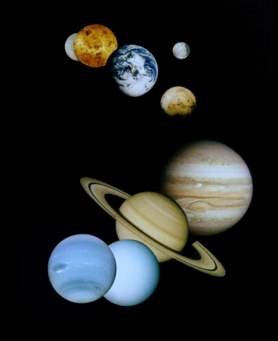
What planet is the largest planet in our solar system?
a)
Earth
b)
Jupiter
c)
Uranus
d)
Saturn
13.
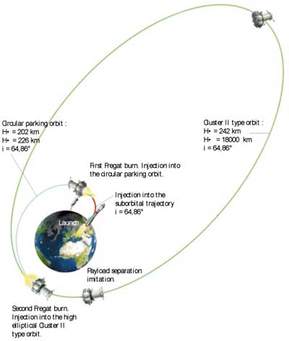
What does orbit mean?
a)
The path a planet takes around the sun.
b)
The spinning of the planet.
c)
When a rocket blasts into space.
d)
To fly into outer space.
14.
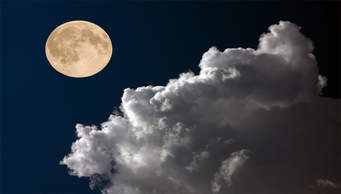
How many moons orbit the planet Earth?
a)
2 moons
b)
No moons
c)
1 moon
15.
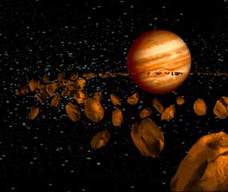
What best describes the Asteroid Belt?
a)
A group of large rocks that are in outer space.
b)
The 8 planets that are in our solar system.
c)
A line of clouds in outer space.
16.
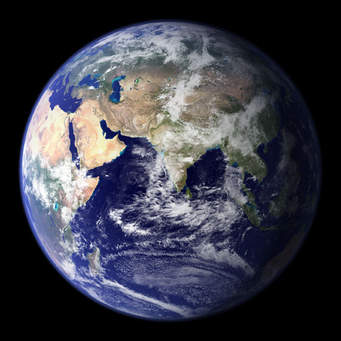
What is the only planet that has life on it?
a)
Earth
b)
Mars
c)
Venus
d)
Pluto
17.
There is one star in our solar system.
a)
True
b)
False
18.
Who stated the sun was the center of the solar system?
a)
Ptolemy
b)
Copernicus
c)
Kepler
d)
Galileo
19.
Who used the telescope to observe the heavens?
a)
Ptolemy
b)
Copernicus
c)
Kepler
d)
Galileo
20.
What theory tries to explain the origin of the universe?
a)
Big Bang Theory
b)
Copernican Theory
c)
Ptolemain Theory
d)
Galilean Theory
Reset

