
Font size
 Worksheets
The Scientific Method
Total questions: 21
Worksheet time: 12mins
Factors that are the same for the control group and the experimental group are called ____________ .
variables
constants
data
unknowns

An experiment is set up to determine the effectiveness of a new pesticide on getting rid of weeds. Which of the following is the dependent variable?
number of weeds in the lawn
amount of pesticide
the size of the lawn
the humidity level

An experiment is set up to determine the effectiveness of a new pesticide on getting rid of weeds. Which of the following is the independent variable?
number of weeds in the lawn
the size of the lawn
humidity level
the pesticide
An experiment is set up to determine the effectiveness of a new pesticide on getting rid of weeds. Which of the following are constants (multiple answers possible)?
humidity level
the pesticide
size of the lawn
number of weeds
TRUE or FALSE - the hypothesis should always be accepted.
TRUE
FALSE

The table of Ice Cream Preferences is what part of an experiment?
conclusion
data
hypothesis
controlled variables

According to the data table, which type of defect is least common?
Defect A
Defect B
Defect C
Defect D
Defect E
An educated prediction of the answer to the problem is a(n) ___________________ .
experiment
independent variable
hypothesis
conclusion

Whether to accept or reject your hypothesis depends on the ______________ .
independent variable
conclusion
constants
data

The factor that changes in response to the independent variable is the ______________________ .
controlled variable
hypothesis
dependent variable
control group

An experiment is set up to determine if a new feed will increase the number of eggs produced by Rhode Island Red hens? Which of the following is the control group?
the new feed
number of eggs
type of hen
hens given the standard (old) feed

The beginning of the scientific method is identifying a ____________ .
problem
hypothesis
procedure
solution
In an experiment, the factor that is intentionally changed by the experimenter is the __________________ .
data
dependent variable
constant
independent variable

An experiment is set up to determine if a new feed will increase the number of eggs produced by Rhode Island Red hens? Which of the following is the dependent variable?
the size of the hens
the number of eggs
the breed of hens
the type of feed
Which step of the scientific method involves setting up a control group and an experimental group?
hypothesis
problem
data
experiment
In an experiment, measurements of the dependent variable are recorded as the __________________ .
conclusion
constants
data
hypothesis

In the Flower Frenzy Lab, which factor(s) was constant? (multiple answers possible)
color of the petals
type of flask
amount of water
type of flower
The experimental group in an experiment __________________ .
is changed by the independent variable
stays the same
does not have the independent variable changed
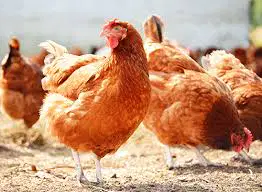
An experiment is set up to determine if a new feed will increase the number of eggs produced by Rhode Island Red hens? Which of the following is the independent variable?
the number of hens tested
the type of feed
the number of eggs
the breed of hen

An experiment is set up to determine if a new feed will increase the number of eggs produced by Rhode Island Red hens? Which of the following should be held constant? (multiple answers possible)
amount of feed used
the number of hens in each test group
the number of eggs produced
temperature for all hens tested

