
NEW
Font size
 Worksheets
FORCE AND LAWS OF MOTION
Total questions: 20
Worksheet time: 10mins
A goalkeeper in a game of football pulls his hands backwards after holding the ball shot at the goal. This enables the goal keeper to
exert larger force on the ball
reduce the force exerted by the ball on hands
increase the rate of change of momentum
decrease the rate of change of momentum
A passenger in a moving train tosses a coin which falls behind him. It means that motion of the train is
accelerated
uniform
retarded
along circular tracks
How much net force is required to accelerate a 1000 kg car at 4 m/s2?
250 N
4000 N
0.004 N
400 N
A goalkeeper in a game of football pulls his hands backwards after holding the ball shot at the goal. This enables the goal keeper to
exert larger force on the ball
reduce the force exerted by the ball on hands
increase the rate of change of momentum
decrease the rate of change of momentum
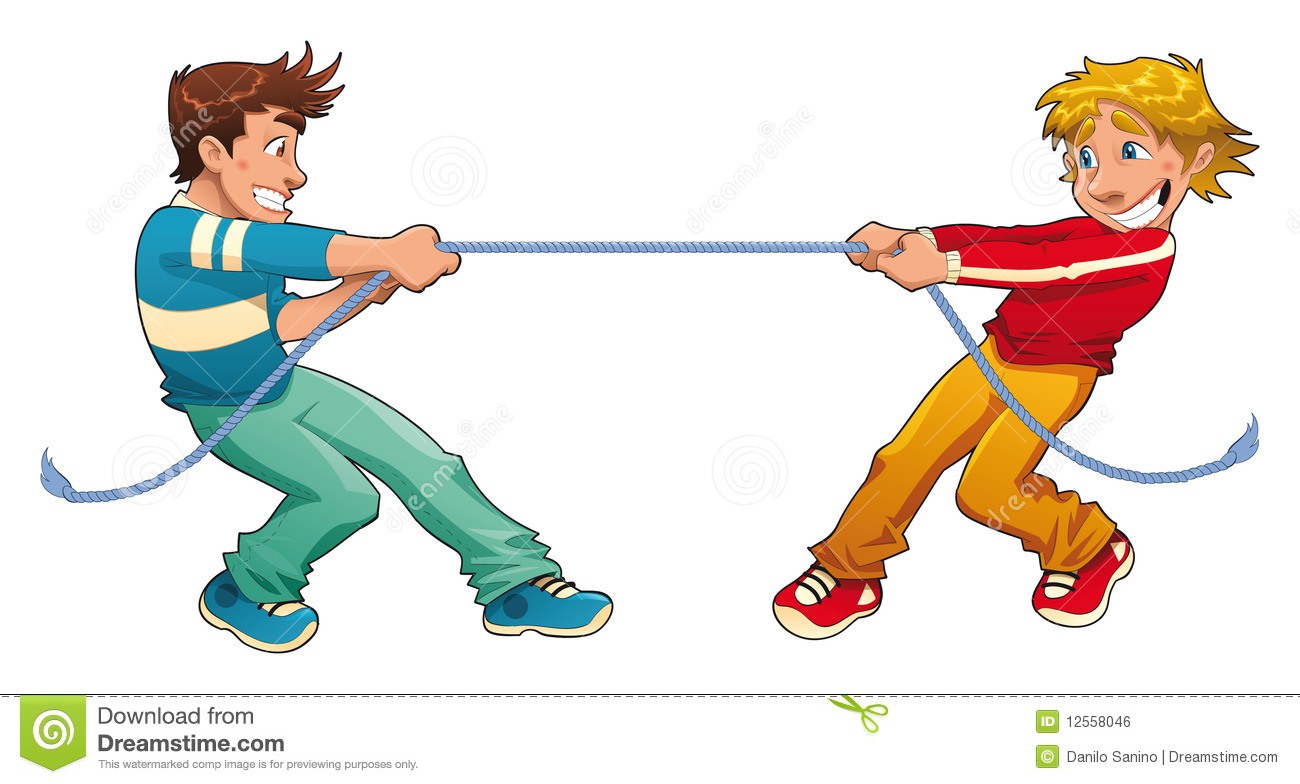
The inertia of an object tends to cause the object
to increase its speed
to decrease its speed
to resist any change in its state of motion
to decelerate due to friction
A passenger in a moving train tosses a coin which falls behind him. It means that motion of the train is
accelerated
uniform
retarded
along circular tracks
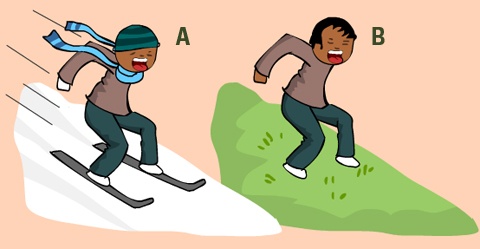
The sum (total) of all forces acting on an object:
Unbalanced Force
Balanced Force
Newtons
Net Force
The greater the mass of an object, the more force it will take to accelerate the object.
Newton's 1st Law of Motion
Newton's 2nd Law of Motion
Newton's 3rd Law of Motion
For every action, there is an equal and opposite reaction
Newton's 1st Law of Motion
Newton's 2nd Law of Motion
Newton's 3rd Law of Motion
Newton's second law states that greater the mass the more _________ will be needed to move the object.
power
force
distance
speed
If you multiple velocity by mass you will get the object's .....
acceleration
force
speed
momentum


