
 Worksheets
Water Pollution
Total questions: 20
Worksheet time: 10mins
Can be traced back to the point of origin.
Point Source Pollution
Non-point source pollution
Cannot easily be traced to the source of the pollution.
Point Source Pollution
Non-point source pollution

Pollution that comes from a single source
Point
Non-Point

Pollution that comes from MANY different places and is hard to identify its source.
Point
Non-Point

A ship carrying gasoline runs into shore and spills large amount of gasoline.
Point
Non-Point

Containers at a food processing plant leaking fat and animal juices
Point
Non-Point

Disposing of paint and other household hazardous materials down the drain
Point
Non-Point

Acid Rain
Point
Non-Point

Power plants cool hot water pipes in a local river
Point
Non-Point
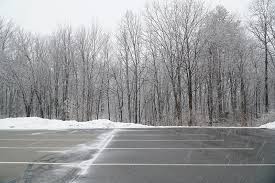
Snow melts in parking lots and carries oils into nearby waterways
Point
Non-Point
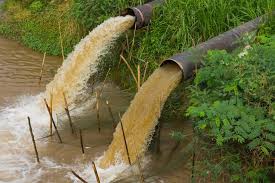
Chemicals released from an Industrial Plant directly into a river
Point
Non-Point

Washing your car in your driveway
Point
Non-Point

Cattle ranches allow livestock to feed along streams
Point
Non-Point

Construction sites sediments wash away into a stream.
Point
Non-Point

Litter on city streets washes away during a storm
Point
Non-Point
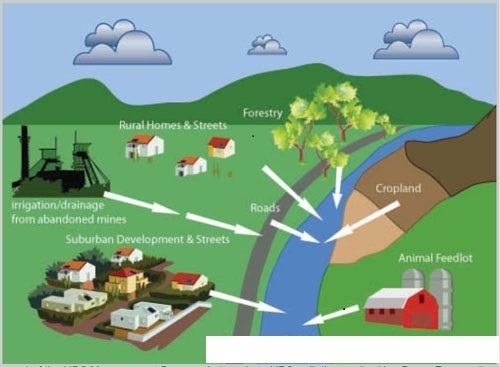
______________________ is water pollution/waste that comes from many different sources.
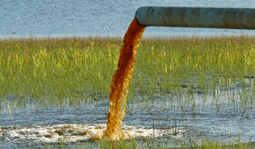
______________________ is water waste/pollution discharge from a single source.
What can happen to fish when there is not enough oxygen in the water?
They can suffocate
They can't float
They can't see.
Nothing. Fish don't need oxygen.
Accumulation of pollutants at successive levels of the food chain.
water pollution
thermal pollution
biomagnification
artificial eutrophication

