
 Worksheets
nutrition in plants
Total questions: 15
Worksheet time: 5mins
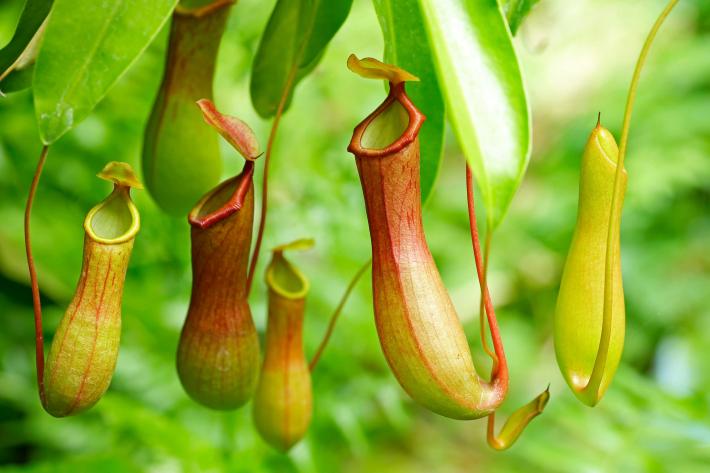
Identify the plant
pitcher
dodder
venus flytrap
bladderwort

Identify the plant
dodder
sundew
venus flytrap
bladderwort
Amarbel is an example of
autotroph
parasite
saprotroph
host
Which part of the plant takes in carbon
dioxide from the air for photosynthesis
Root
hair
stomata
leafveins
sepals
Insectivorous plants eat insects to fulfill their needs of
Energy
nitrogen,
potassium
calcium

Identify the bacteria
Staphylococcus
Bacillus
Pseudomonas
rhizobium

Identify what is shown in the picture
chlorophyll
stomata
carbon dioxide
veins

Identify this parasitic plant
Cuscuta
Cactus
Rhizobium
Venus trap
Organisms that prepare its own food are called
Host
Autotrophs
Symbionts
Saprophytes
End product of photosynthesis is-
Protein
Fats
Carbondioxide
Starch
Green pigment that help in the process of photosynthesis is-
Stomata
Guard cell
Chlorophyll
Colour coatings

Mode of nutrition by fungi is
Parasitic
Saprophytic
Symbiotic
Insect feedinh
In lichen we find the association between
Algae and fungus
Algae and insect
Fungus and roots
Fungus and insects
Rhizobium bacteria are present in
Roots of leguminous plants
Stem of leguminous plants
Found in roots of every plants
Flowers of leguminous plants
One of the example of leguminous plant is
Potato
Tomato
Bean
Sunflower

