
 Worksheets
Classification (so far!)
Total questions: 15
Worksheet time: 11mins
Name
Class
Date
1.
The science of describing, classifying, and naming living things is called:
a)
Geology
b)
Biology
c)
Taxonomy
d)
Chemistry
2.
Biologist group living things based on ____.
a)
Habitat
b)
Size
c)
Colors
d)
Shared Characteristics
3.
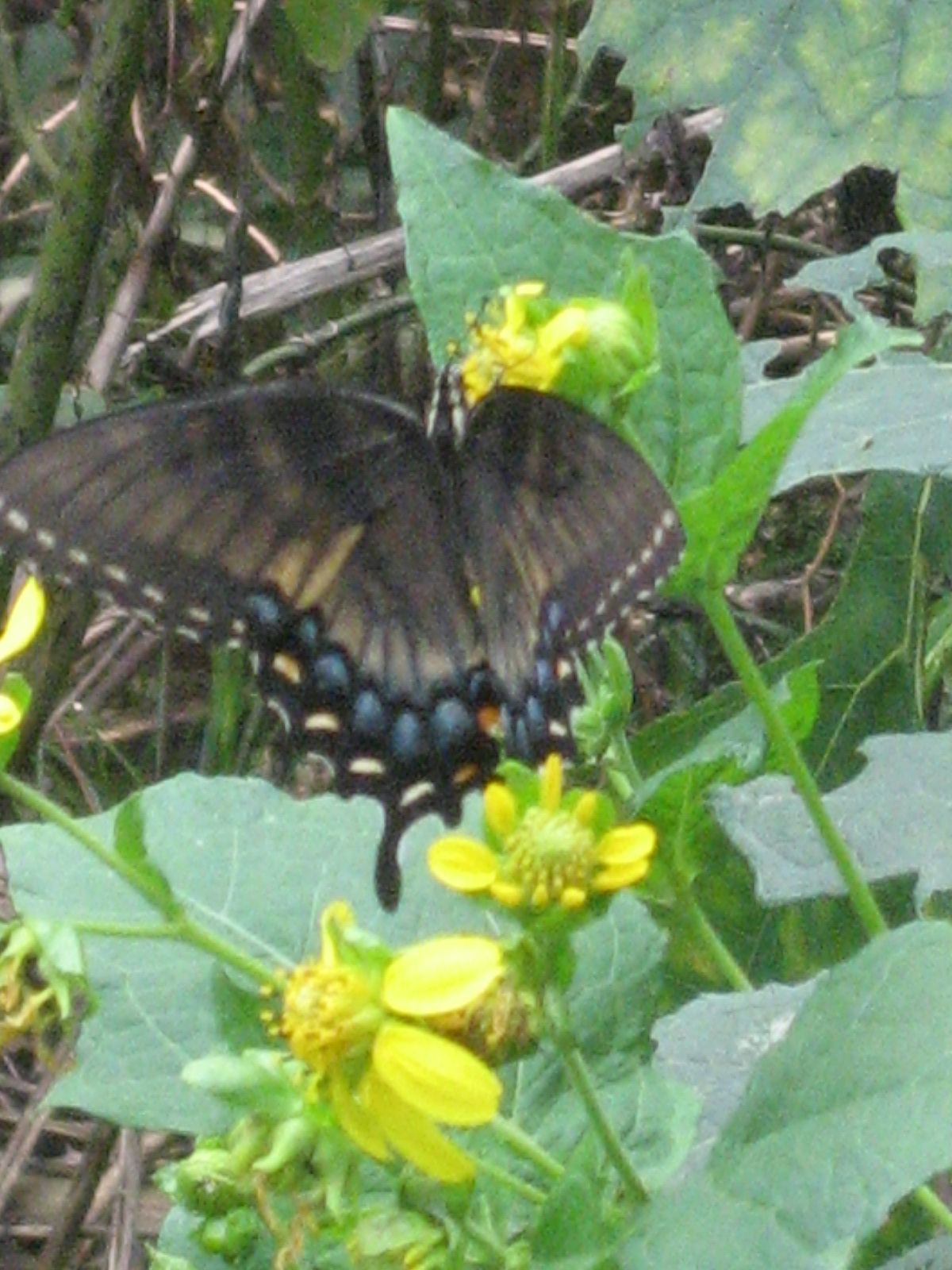
The 8 levels of classification, most broad to most specific.
a)
Domain, Genus, Family, Order, Class, Phylum, Kingdom, Species
b)
Domain, Species, Kingdom, Genus, Phylum, Family, Class, Order
c)
Domain, Kingdom, Phylum, Class, Order, Family, Genus, Species
d)
Domain, Kingdom, Species, Phylum, Family, Order, Class, Genus
4.
What is the genus name here:
Canis lupus
a)
Canis
b)
lupus
5.
Which animal is invertebrate?
a)
b)
c)
d)
6.
Which animal is a mammal?
a)
b)
c)
7.
Which of the following organisms is a vertebrate?
a)
insect
b)
sponge
c)
monkey
d)
earthworm
8.
Which animal is a reptile?
a)
b)
c)
9.

Which of the following is a centipede?
a)
b)
c)
d)
10.

An illustration and a dichotomous key are given. What is the correct classification for this organism?
a)
Class Insecta
b)
Order Amblygygi
c)
Order Araneae
d)
Order Scorpiones
11.
How many options should every branch in a dichotomous key have?
a)
1
b)
2
c)
3
d)
4
12.

A student discovers an arachnid with a segmented abdomen, long legs, and a tail with no stinger. The student uses the dichotomous key below to identify it. Which arachnid has the student found?
a)
Whip Scorpion
b)
Wind Scorpion
c)
Daddy long legs
d)
Scorpion
13.
The first part of a scientific name is an organism's _______________ and the second part is its ________________.
a)
species, genus
b)
phylum, order
c)
class, spices
d)
genus, species
14.

Identify the plant shown
a)
A
b)
B
c)
C
d)
D
15.

A table of arachnid and insect characteristics is shown. Which characteristic could be used to distinguish between
arachnids and insects?
arachnids and insects?
a)
Jointed legs
b)
Body segments
c)
Presence of eyes
d)
Presence of antennae
100 %

