
 Worksheets
TOPIC- ENVIRONMENT AND HUMAN ACTIVITIES
Total questions: 105
Worksheet time: 53mins
What does ENVIRONMENT mean?
your surroundings
using less of something
Reducing the amount of trash you throw away
Smog
What does Recycle mean?
using less of something
Turning trash into something that can be reused
your surroundings
air pollution
What is Pollution?
water pollution
your surroundings
Something bad for the environment
reduce, reuse, recycle
What is Conservation?
protecting natural resources
reduce, reuse, recycle
turning trash into something that can be used
Something bad for the environment
Another word for litter is
reuse
recycle
trash
which is an example of reusing something?
using a refillable water bottle everyday
taking cans to the recycle bin
picking up trash on the playground
turning the water off when you are brushing your teeth.
What are the three types of pollution?
Conservation
reduce, reuse, recycle
land, water, air
Why should we conserve?
The supply of natural resources stays the same
The supply of natural resources is limited
The supply of natural resources is not important
The supply of natural resources always is enough
recycle
To reuse a resource by breaking it down and making a new product.
To use less of a resource.
Saving resources by using them wisely.
protect
A substance that pollutes something, especially water or the atmosphere.
To use a resource again and again.
To keep safe from harm or injury.
pollutant
A resource that, when it is used up, cannot be replaced during a human’s lifetime.
To keep safe from harm or injury.
A substance that pollutes something, especially water or the atmosphere.
When the earth's atmosphere is made dirty
Pollution
environment
biodegradable
habitat
The blanket of air that surrounds the earth
landfill
atmosphere
natural resource
deforestation
A place to empty trash and bury it
deforestation
your backyard
habitat
landfill
Destruction of the earth's land by humans
environment
biodegradeable
land pollution
natural resource
Everything around you(air, land, water, etc)
nonrenewable resource
environment
reforestation
Trash that can easily rot or decay into the soil
biodegradeable
plastic bottles
fossil fuels
When the earth's air becomes dirty
water pollution
land pollution
air pollution
The place where a plant of animal normally lives
the aquarium
the zoo
habitat
A resource that cannot be reproduced once used
renewable resource
nonrenewable resource
landfill
The destruction of earth's water by humans
water pollution
air pollution
space pollution
Something found in nature that can be used by people
legos
natural resource
unicorns
A resource that is always available or can be reproduced
renewable resource
nonrenewable resource
reforestation
Cutting down and clearing of trees
deforestation
reforestation
unforestation
Replanting trees in forests that have been destroyed
weforestation
geforestation
reforestation
Coal, oil, natural gas are examples of...
fossil fuels
paint colors
landfills in Georgia

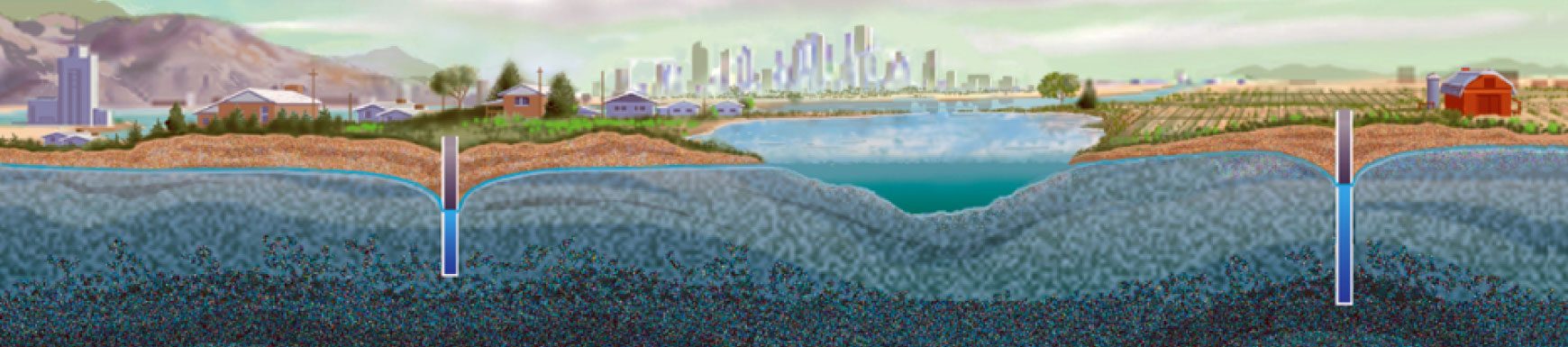
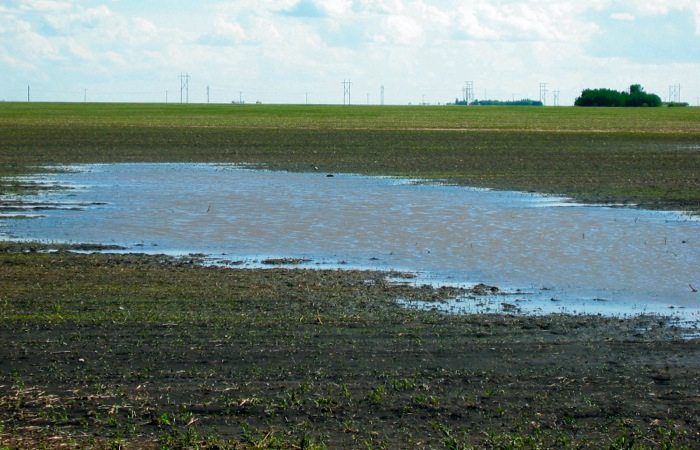
______________________ is a structure that blocks and controls the flow of water.
potable
dam
wastewater
point source pollution

______ is an unwanted sound that is harmful to people and animals.
Noise pollution
Air pollution
Water Pollution
Land Pollution

Industry
Construction site
Deforestation
Oil spills
Which of the following pictures shows noise from traffic?


Another effect of Noise pollution is _______________
Fever
Malaria
Hearing Loss
The _________ fish are floating in the river.
dead
die
died
death
The soil is ______________ because farmers use too many pesticides and herbicides.
poisoned
poison
poisoning
poisons
__________ pollution is the increase of temperature caused by human activity.
Air
Thermal
Water
Noise
Have you ever heard about the __________ of radioactive pollution?
affects
effects
poisons
pollutes
Scientists has just come up __________ a solution to hearing loss.
with
about
on
for
__________ pollution is harmful or annoying level of noise, as from vehicles, industry activities, etc.
Light
Visual
Noise
Soil
Parents should teach children not to __________ wastes on the road.
litter
measure
poison
pollute
My mother has to measure blood __________ every month.
pressure
attack
mood
loss

What is an ecosystem?
all living things and their interactions with each other and the physical environment in which they live
the release of harmful materials into the environment
using resources wisely
use less of a resource

What is biodiversity?
to turn old things into new things
a resource that can be replaced or used again and again
to use the material again
all the different plants, animals, fungi, bacteria, and other living things that are in a particular place

What is pollution?
to use the material again
the release of harmful materials into the environment
to turn old things into new things
a resource that can be replaced or used again and again

What does reduce mean?
to use less of a resource
using resources wisely
to use the material again
to turn old things into new things

What does reuse mean?
use less of a resource
to use the material again
using resources wisely
to turn old things into new things

What does recycle mean?
using resources wisely
use less of a resource
to use the material again
to turn old things into new things

What should we do?
pick up garbage
swim in the ocean
use our bikes

What should we do?
recycle
ride our bikes
plant trees

what type of pollution is this?
land pollution
water pollution
air pollution
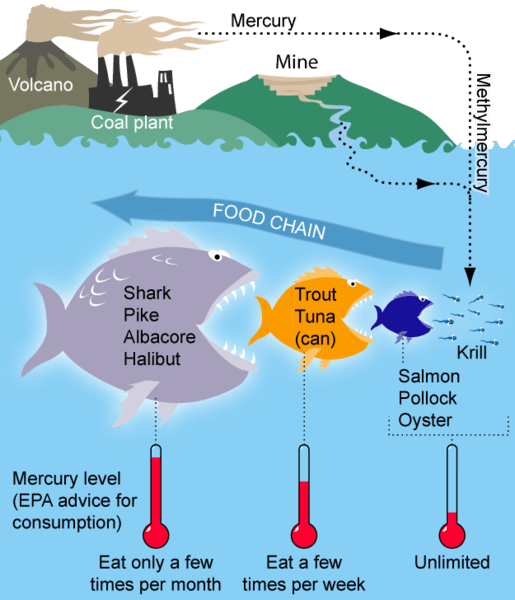
______________________ is the buildup of pollutants at higher levels of the food chain.
porosity
water pollution
wastewater
biomagnification
When there is little or no rainfall for a long period of time we call this
flood
hunting
construction
drought
When a change on the environment causes good things to happen this is called a
positive effect
negative effect
Pollution is
Saving resources by using them wisely.
Any harmful material in the environment
To reuse a resource by breaking it down and making a new product.
To use less of a resource.

which type of pollution is this?
air pollution
water pollution
land pollution
noise pollution
When there is little or no rainfall for a long period of time we call this
flood
hunting
construction
drought
Poisonous substances
Mutations
Toxins
Debris
Remote
a source of energy made from the remains of ancient, once-living things
natural resources
fossil fuels
biomass
pollution
a natural material or source of energy that is useful to people and cannot be replaced easily
renewable resources
conservation
replenish
Nonrenewable resource
a source of energy other than the burning of a fossil fuel
solar power
hydroelectricity
biomass
alternative energy source
energy derived from the heat in the interior of the earth
solar power
geothermal
alternative energy source
conservation
electricity made by water power
hydroelectricity
pollution
replenish
geothermal
converting energy from the Sun into electrical power
geothermal
renewable resources
solar power
fossil fuels
The loss of forests
pollution
alternative fuels
deforestation
Animals and plants have no where to live because of human activities like deforestation and building
habitat destruction
fossil fuels
invasive species
The temperature of the Earth has increased, which makes ecosystems unstable
renewable energy
solar energy
global warming
The movement of wind (kinetic energy)
invasive species
wind energy
global warming
A species that is not supposed to be in an ecosystem (non-native) and has no competition
invasive species
fossil fuels
direct harvesting
is waste that contains radioactive material.
radioactive waste
solid waste pollution
water pollution
air pollution
Atmosphere
The blanket of air that surrounds Earth
All the water that covers Earth
All the rocks and minerals that make up Earth
The word “fumes“ means _________.
A type of gas that is not harmful.
A type of gas that is poisonous.
A type of liquid that is hazardous.
A type of liquid that is safe.
Chimney is a _________.
pipe that allows water to go through
pipe that enables smoke to go through
pipe that helps sound to go through
pipe that allows sand to go through
What does the word “harm” mean?
It means influence.
The word means affect.
It means damage.
The word means disturb.
What do you understand by the word “chemicals”? (2 answers)
Artificial substances
Natural substances
God’s creation
Man-made substances
Detergent = _______________
clear water
washing liquid
soap powder
shampoo

recycle
classify
protect
waste

increase
reuse
reduce
recycle

deforestration
global warming
glass
metal

harm animals
sort out rubbish
save the planet
damage environment

air pollution
land pollution
noise pollution
water pollution

air pollution
water pollution
noise pollution
land pollution

save water
pour waste into the sea
pick up garbage
reuse jars

solar energy
wind energy
waste energy
electrical devices

destroy forests
save energy
drop litter
pick up garbage

save water
save energy
pollute
recycle

environment
chemical gases
oil slick
acid rain

floods
hurricane
fires
exhaust fumes

floods
hurricane
greenhouse effect
deforestation

greenhouse effect
habitat destruction
carbon dioxide
oil slick

drought
deforestation
habitat destruction
hurricane

floods
ice melting
drought
ozone layer

deforestation
fires
endangered species
ozone layer

air pollution
land pollution
water pollution
rise of sea level

