wayground logo

Free Printable Worksheets

NEW

Font size

S
M
L
XL
Worksheets

Introduction to Chemistry Review

Total questions: 45

Worksheet time: 33mins

Name
Class
Date
1.

Chemistry is the study of

a)

matter

b)

energy

c)

living things

d)

numbers

2.
 What type of energy is the energy of motion?
a)
Thermal
b)
Kinetic 
c)
Nuclear
d)
Chemical
3.
 A ______________ has a definite volume and a definite shape.
a)
Solid
b)
Liquid
c)
Gas
4.
 A _____________can change volume very easily. Its particles move at high speeds in all directions. 
a)
Solid
b)
Liquid
c)
Gas
5.
 A _________________ has no shape of its own, but has a definite volume. 
a)
Solid
b)
Liquid
c)
Gas
6.
Anything that has mass and takes up space
a)
Element
b)
Pressure
c)
Matter
d)
Atom
7.
Amount of matter in a solid, liquid, or gas...
a)
mass
b)
volume
8.
Amount of space an object takes up...
a)
Mass
b)
Volume
9.
Boiling point is a point at which liquid turns in to..
a)
solid
b)
liquid
c)
molten
d)
gas
10.
What are the three states of matter?
a)
texture, volume, mass
b)
density, volume, mass
c)
solid, liquid, gas
d)
density, color, volume
11.

Which of the following safety rules is INCORRECT?

a)

Do not start lab until all your questions are answered.

b)

Horseplaying with your group and others is allowed

c)

Clean your area completely after the investigation.

d)

Return and discard supplies/waste as directed by teacher.

12.
When equipment is broken or not working properly, what should you do?
a)
Quickly repair the equipment.
b)
Let your classmates know you shouldn't use the equipment.
c)
Tell your teacher immediately about the problem.
d)
Clean up the mess made from the broken equipment.
13.
What should you do with long hair during a lab investigation?
a)
Keep it clean
b)
Keep it brushed
c)
Keep it straight
d)
Keep it tied back
14.

If you do not understand a direction or part

of a laboratory procedure, you should:

a)

figure it out as you do the lab.

b)

try several methods until something

works.

c)

ask the teacher before proceeding.

d)

skip it and go on to the next part.

15.

You have been injured in the laboratory (cut,

burned, etc.). First you should:

a)

visit the school nurse after class.

b)

see a doctor after school.

c)

tell the teacher at once.

d)

apply first aid yourself.

16.

Students are using heat, chemicals and glassware in a laboratory experiment. Which of these is the best method of eye protection?

a)

Safety goggles

b)

Contact lenses

c)

Prescription glasses

d)

Eye protection is not needed

17.
If you break glassware in the lab, you should...
a)
Tell the teacher
b)
Clean it up quickly before the teacher notices
c)
Scream at the top of your lungs
18.
 The following footwear is best in the laboratory. 
a)
shoes appropriate for the weather
b)
open-toed shoes
c)
closed-toed shoes
d)
sandals
19.
Part of lab safety includes reading the lab procedure...
a)
before doing the lab
b)
while doing the lab
c)
after doing the lab
d)
only if you think you really need it
20.
When is it OK to eat or drink at the lab tables?
a)
Always
b)
During group work, but not during lab activities
c)
Never
d)
During lab activities
21.

Intensive properties depend on

a)

the type of matter

b)

the amount of matter

c)

nothing

22.

Extensive properties depend on

a)

the type of matter

b)

the amount of matter

c)

nothing

23.

All of the following are extensive properties EXCEPT

a)

MASS

b)

VOLUME

c)

DENSITY

d)

WEIGHT

24.

A physical blend of 2 or more components is called a ____.

a)

type of element

b)

mixture

c)

chemical reaction

d)

physical property

25.

The lemonade in this glass is what type of mixture?

a)

Heterogeneous

b)

Homogeneous

26.

A mixture in which the composition is NOT uniform throughout is called a _____ mixture.

a)

Heterogeneous

b)

Homogeneous

27.

What type of mixture is shown?

a)

Homogeneous

b)

Heterogeneous

28.

What type of substance is shown?

a)

compound

b)

heterogeneous mixture

c)

homogeneous mixture

d)

element

29.

What type of material is pictured?

a)

Element

b)

Compound

c)

Homogeneous mixture

d)

Heterogeneous mixture

30.
Salad is an example of...
a)
a mixutre
b)
an element
c)
a compound
31.
An example of ...
a)
A mixture
b)
A compound
c)
An element 
32.

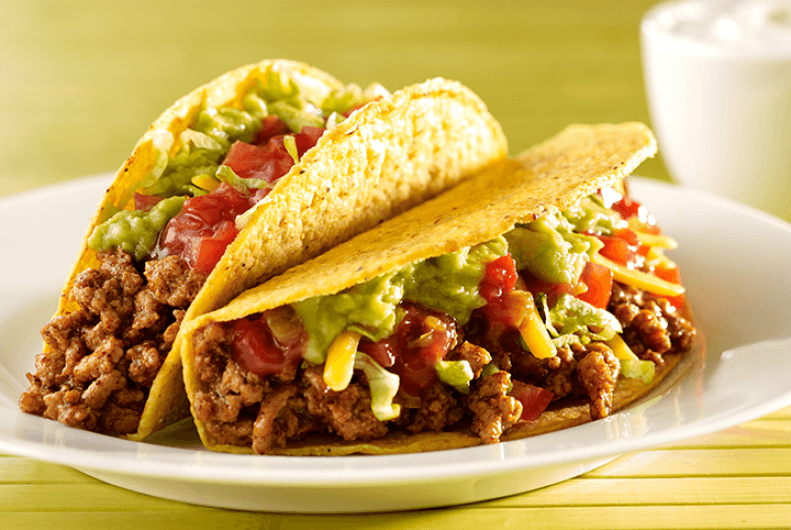
A Taco is an example of a

a)

Homogeneous Mixture

b)

Heterogeneous Mixture

33.

Which of the following options provides evidence of a CHEMICAL change?

a)

Wood is burned releasing ash and smoke

b)

Rocks separate when soil is sifted

c)

Water turns to ice when you put it in the freezer

d)

Salt dissolves in water

34.

A white tablet is dropped into water. The water becomes cloudy and bubbles are produced. What type of change has occurred?

a)

Physical change

b)

Chemical change

c)

No change

35.

What kind of change occurs if matter changes in amount, size, or shape?

a)

substance change

b)

chemical change

c)

physical change

d)

elemental change

36.
Ice melting
a)
Chemical Change
b)
Physical Change
37.
Physical changes can be brought about by
a)
Cutting
b)
Bending
c)
Dissolving
d)
All of the following are correct.
38.
a)
physical change
b)
chemical change
39.

Blue color: Chemical or Physical Property

a)
Chemical Property
b)
Physical Property
40.
Density: Chemical or Physical Property
a)
Chemical Property
b)
Physical Property
41.
Flammability (burns): Chemical or Physical Property
a)
Chemical Property
b)
Physical Property
42.
Brittleness: Chemical or Physical Property
a)
Chemical Property
b)
Physical Property
43.

Melting point: Chemical or Physical Property

a)
Chemical Property
b)
Physical Property
44.

Reacts with water: Chemical or Physical Property

a)
Chemical Property
b)
Physical Property
45.

Boiling point: Chemical or Physical Property

a)
Chemical Property
b)
Physical Property