wayground logo

Free Printable Worksheets

Font size

S
M
L
XL
Worksheets

Element of Arts & Principles of Design

Total questions: 28

Worksheet time: 13mins

Name
Class
Date
1.

Which two principles of design are employed in the mandala as shown above?

a)

Balance

b)

Rhythm

c)

Emphasis

d)

Subordination

2.

This principle of design refers to the practice of putting together diverse elements of arts such as colors, lines, textures, etc. in creating a piece of art.

(a)  

3.

Choose which two images show informal balance.

a)
b)
c)
d)
4.

Which of the following statements is CORRECT about Rhythm?

a)

It is a regular and repeated patterns in the elements of art.

b)

It utilizes several different elements of art to create an art piece that is free from uniformity.

c)

It calls for the creation of materials that are on the right scale, especially in performing arts like theater.

d)

It employs the use of body to express inner conditions and feelings.

5.

Look at the picture. What principle of design is employed in this photography?

a)

Emphasis

b)

Subordination

c)

Color

d)

Proportion

6.
Which is NOT a principle of design?
a)
Line
b)
Balance
c)
Rhythm
d)
Scale
7.
What are the elements of design?
a)
The basic tools a designer works with
b)
The basic rules that a designer uses
8.
What are the principles of design?
a)
the basic tools a designer works with
b)
the basic rules that a designer uses
9.
What is NOT an element of design?
a)
Space
b)
Harmony
c)
Shape
d)
Color
10.
What is another term for color?
a)
Hue
b)
Value
c)
Tone
d)
Intensity
11.
 How is a tint made?
a)
Add black to a color
b)
Add the complement-ary color
c)
Add white to a color
d)
Add gray to a color
12.
 How is a shade made?
a)
Add black to a color
b)
Add the complement-ary color
c)
Add white to a color
d)
Add gray to a color
13.
What is value?
a)
Another name for color
b)
The lightness or darkness of a color
c)
The amount of black or white added to a color
d)
The strength of a color against its complement
14.
What is intensity?
a)
Another name for color
b)
The lightness or darkness of a color
c)
The amount of black or white added to a color
d)
The strength of a color against its complement
15.
A monochromatic color scheme :
a)
Uses all tints, tones, and shades of one color
b)
Uses colors that are equal distance from each other
c)
Uses a color and the two colors next to its complement
d)
Uses three to five colors next to each other on the color
16.
A split complementary color scheme :
a)
Uses all tints, tones, and shades of one color
b)
Uses colors that are equal distance from each other
c)
Uses a color and the two colors next to its complement
d)
Uses three to five colors next to each other on the color
17.
Positive space is _____________.
a)
Filled space
b)
Empty space
18.
Line, color, value, texture, shape, form, and space are considered...
a)
elements of design
b)
principles of design
19.
Balance, pattern, movement, emphasis, rhythm, unity, and contrast are considered...
a)
principles of design
b)
elements of design
20.
Rhythm is the __________ of visual movement--colors, shapes, or lines.  Fill in the missing word.
a)
repetition
b)
stopping
c)
replacing
21.
The principle of emphasis is used by artists to create dominance & focus in their work.  Your eye is drawn to which color?
a)
red 
b)
green
22.
The principle of unity provides the cohesive quality that makes an art work feel complete & finished. The painting 'The Starry Night' was painted by which artist?
a)
Vincent Van Gogh
b)
Picasso
c)
Salvador Dali
23.
The element of texture refers to the surface quality, both simulated & actual, of artwork.  Texture describes how something...
a)
feels
b)
smells
c)
sounds like
24.
The element of line is a mark made by a pointed tool--brush, pencil, stick, pen, etc. and is often defined as a moving dot.  True or false?
a)
true
b)
false
25.
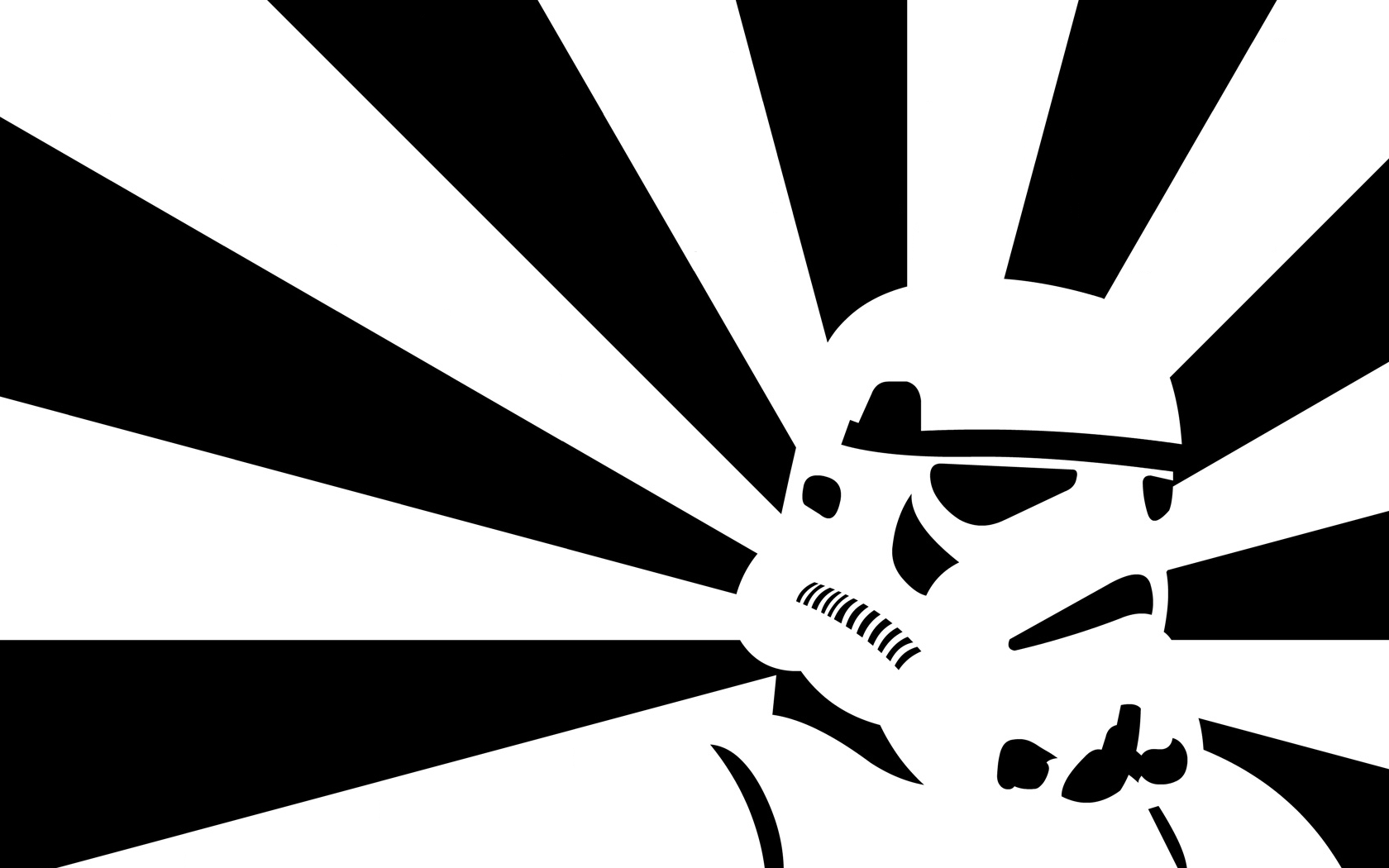
This image is a good example of which principle?
a)
value
b)
space
c)
movement
d)
contrast
26.
This image is a good example of which element?
a)
value
b)
balance
c)
emphasis
d)
color
27.
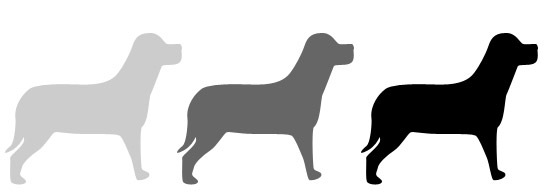
This image is a good example of which principle?
a)
pattern
b)
form
c)
line
d)
color
28.
Principle of Design: The use of different lines, shapes, and colors in a piece of work.
a)
Movement
b)
Unity
c)
Variety
d)
Contrast