wayground logo

Free Printable Worksheets

NEW

Font size

S
M
L
XL
Worksheets

03Sep21 - Chemistry Review

Total questions: 25

Worksheet time: 19mins

Name
Class
Date
1.

Which of the following is described as the basic unit of matter and each element?

a)

Element

b)

Atom

c)

Molecule

d)

Compound

2.
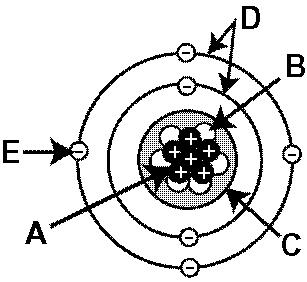
In the atom diagram shown, E is pointing to
a)
An electron
b)
a proton
c)
a neutron
d)
the nucleus
3.

In the atom diagram shown, A is pointing to the darker particles, these are known as

a)

electrons

b)

protons

c)

neutrons

d)

the nucleus

4.
B and C are found in the ______ of an atom.
a)
electron cloud
b)
Space
c)
Nucleus
d)
Outside
5.
What charge does an electron have?
a)
Negative
b)
Positive
c)
Neutral
d)
Contrated
6.
Which of the following is found in the nucleus of an atom?
a)
electrons
b)
neutrons
c)
The center of an atom, composed of protons and neutrons
d)
molecules
7.
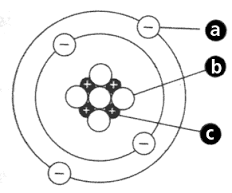
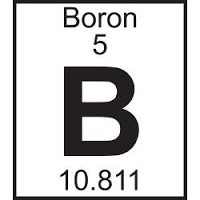
What is the atomic number of this atom?
a)
4
b)
5
c)
9
d)
none of the above
8.

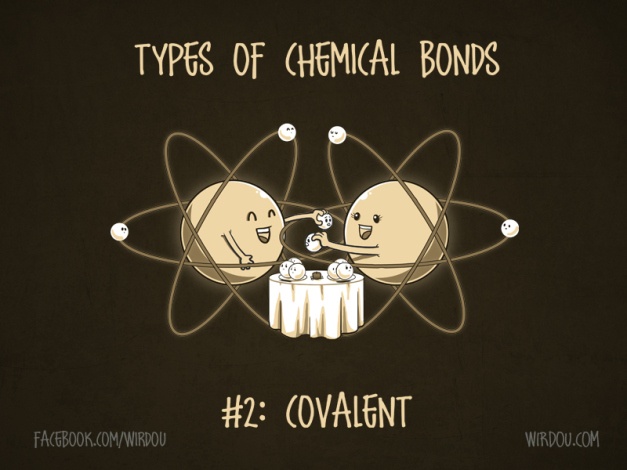
Covalent bonds form when

a)

the electronegativity difference between two atoms is very large.

b)

electrons are completely transferred between two atoms.

c)

pairs of electrons are shared between two atoms.

d)

ions are held together by opposite charges.
9.

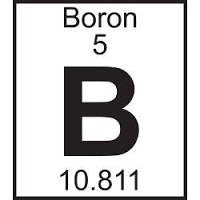
Using the information provided, determine how many electrons the a Boron atom contains.

a)

2.5

b)

5

c)

6

d)

10.81

10.
How many protons does this atom have?
a)
2.5
b)
6
c)
5
d)
10.811
11.

This symbol indicates a _______.

a)

neutron

b)

proton

c)

electron

12.

An electron is located ...

a)

in the nucleus.

b)

outside the nucleus.

13.

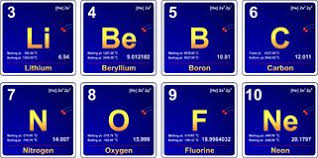
The atomic number of oxygen is

a)

8

b)

15.9994

c)

16

d)

O

14.
Sodium has an atomic number of 11, how many protons does this atom have?
a)
22
b)
11
c)
12
d)
2
15.

Different elements can have the same number of protons?

a)

True

b)

False

16.

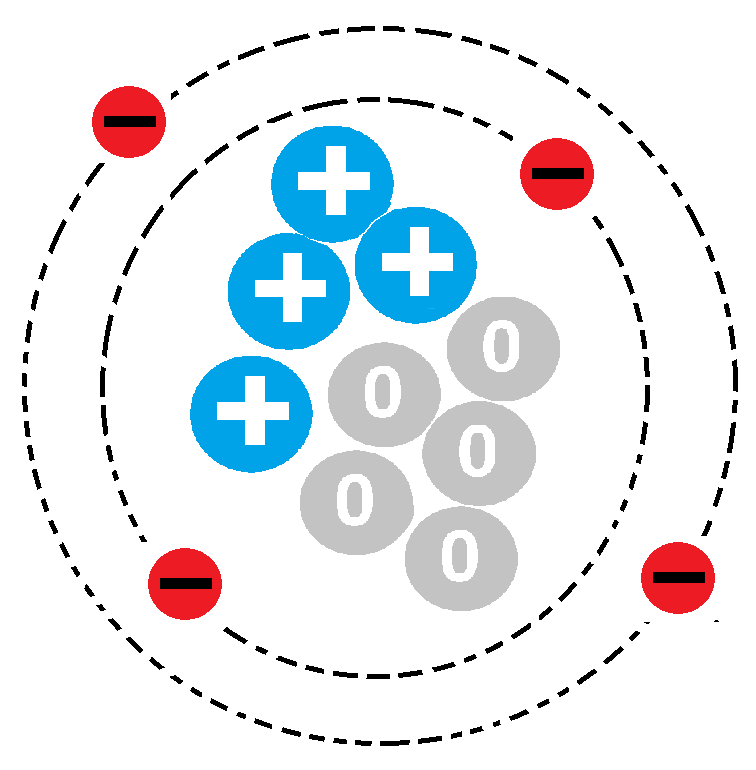
How many valence electrons are shown in this model?

a)

2

b)

8

c)

3

d)

13

17.

USE THE PERIODIC TABLE

How many valence electrons does sodium have?

a)

1

b)

2

c)

3

d)

4

18.

USE THE PERIODIC TABLE

How many valence electrons does Phosphorus have?

a)

31

b)

5

c)

15

d)

4

19.
Valence electrons are: 
a)
Electrons farthest away from the nucleus
b)
Electrons closest to the nucleus
c)
Electrons that just come and go - they don't stay with the atom
d)
Electrons in the second shell
20.
Ions are: 
a)
atoms with a positive or negative charge
b)
atoms with no charge
c)
atoms with ONLY a positive charge
d)
atoms with ONLY a negative charge
21.
When an atom loses a valence electron, it becomes a(n) _____________ ion.
a)
positive
b)
negative
c)
neutral
d)
polyatomic
22.
Negative ions form when atoms _________ valence electrons.
a)
lose
b)
gain
c)
share
23.

Where are the Electrons found in the structure of an atom?

a)

In the nucleus

b)

In shells (energy levels) around the nucleus

24.
How many electron shells/levels does this atom have?
a)
1
b)
2
c)
3
d)
4
25.

The atomic masses shown on the periodic tables are...

a)

The most common mass for each element (the most common isotope)

b)

The number of protons in each element

c)

The average mass of each element (an average of the isotope masses)

d)

the number of electrons in each element