
 Worksheets
Matter and particles
Total questions: 20
Worksheet time: 12mins
Name
Class
Date
1.
What is the atomic number?
a)
the number of protons
b)
the number of protons and neutrons
c)
the number of neutrons
d)
the number of protons and electrons
2.
An atomic number of 8 means the atom has ________ protons.
a)
7
b)
8
c)
16
d)
88
3.
What Is The Atomic Number of Gold?
(a)
4.
all matter is made of what
a)
energy
b)
atoms
c)
electrons
d)
compounds
5.
electrons have this type of charge?
a)
negative
b)
positive
c)
neutral
6.
What is the mass of an atom if it has 11 protons, 12 neutrons, and 11 electrons?
a)
22
b)
11
c)
34
d)
23
7.
Which group of the periodic table is composed of inert (not reactive) gases?
a)
alkali metals
b)
alkaline earth metals
c)
halogens
d)
noble gases
8.
Sn
a)
tin
b)
sulfur
c)
iron
d)
sodium
9.
Sulfur
a)
Sf
b)
Su
c)
Sr
d)
S
10.
A substance that contains only one type of atom is a(n)
a)
compound
b)
element
c)
heterogeneous mixture
d)
homogeneous mixture
11.

a)
Element
b)
Compound
c)
Mixture
12.
A change where one or more new substances are created.
a)
Physical Change
b)
Chemical Change
13.
Wood burned in a fireplace
a)
Chemical Change
b)
Physical Change
14.
The temperature of the solution dropped 18 °C and there was no color change.
a)
physical change
b)
chemical reaction
15.
Which states of matter can change their shape?
a)
liquid
b)
solid
c)
gas
16.

What state of matter is represented in this picture?
a)
solid
b)
liquid
c)
gas
17.

What state of matter is represented in the picture above?
a)
solid
b)
liquid
c)
gas
18.
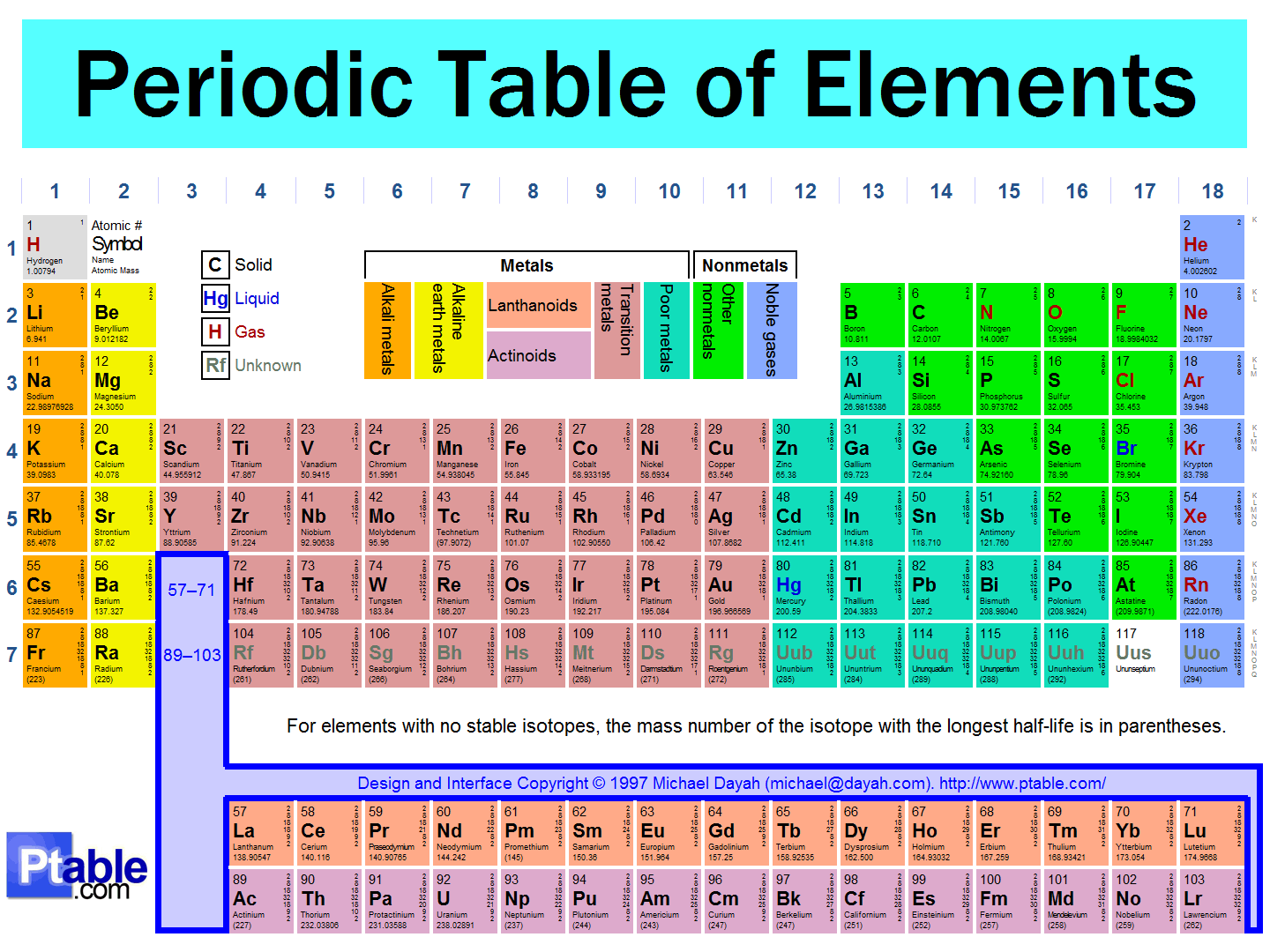
The vertical (up and down) columns in the Periodic Table are called
a)
groups
b)
towers
c)
periods
d)
atomic numbers
19.
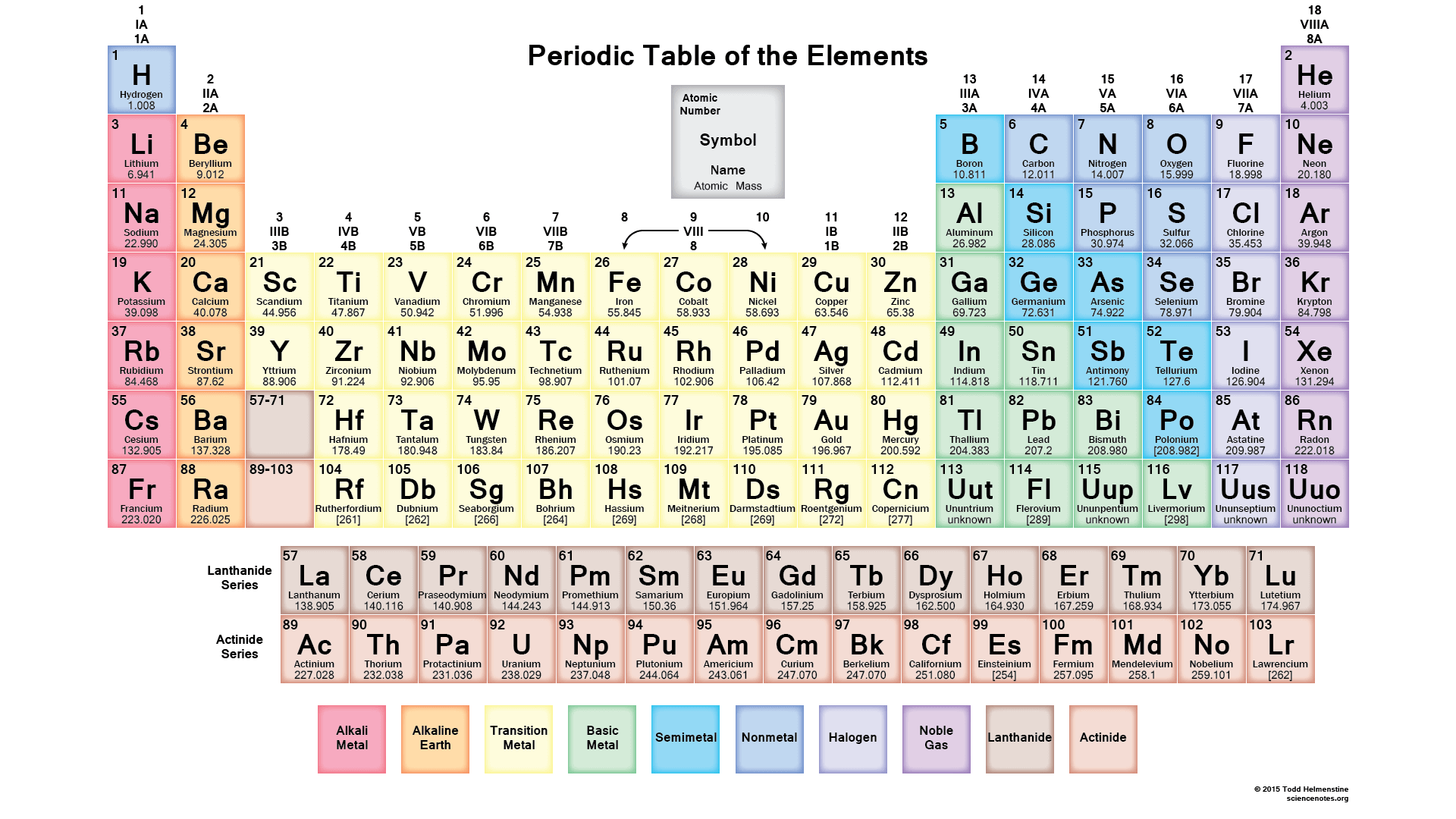
Sodium (Na) is found in group
a)
1
b)
2
c)
3
d)
4
20.
Each column in the periodic table is called a
a)
period
b)
group
c)
cluster
d)
unit
100 %

