wayground logo

Free Printable Worksheets

NEW

Font size

S
M
L
XL
Worksheets

Geography Grade 8 Revision

Total questions: 40

Worksheet time: 38mins

Name
Class
Date
1.

2.what is the smallest planet in the solar system

a)

Venus

b)

Mars

c)

Mercury

d)

Jupiter

2.

What is the planet highest surface temperature

a)

Earth

b)

Venus

c)

Mars

d)

Mercury

3.

Sperical object that are moving on orbits around the sun are called............

a)

Planets

b)

Natural satellites

c)

Dwarf planets

d)

Asteroids

4.

What planet is called blue planet

a)

Uranus

b)

Neptune

c)

Earth

d)

Mercury

5.
This type of map shows natural features
a)
Political
b)
Physical
c)
Thematic
d)
Grid System
6.
This part of a map shows the relationship between distance on earth and distance on a map
a)
Scale
b)
Distortion
c)
Grid System
d)
Latitude 
7.
This type of map focuses on one main topic.
a)
Political
b)
Physical
c)
Thematic
d)
Global
8.
This type of map shows boundaries
a)
Political
b)
Physical
c)
Thematic
d)
Global
9.

_______________ is the study of the world’s physical features-it’s landforms, bodies of water, climates, soils and plants.

a)

Physical geography

b)

Human geography

c)

Catography

d)

Meteorologist

10.

_____________________ is the study of the world’s people, communities, and landscapes.

a)

Human geography

b)

Physical geography

c)

Globe

d)

Summary

11.

True or false: The two main branches of geography are physical geography and human geography.

a)

True

b)

False

12.

Rivers are part of this branch...

a)

Physical Geography

b)

Human Geography

13.

Culture ids part of...

a)

Human Geography

b)

Physical Geography

14.

Volcanoes are part of....

a)

Physical geography

b)

Human Geography

15.

Soil and plants are part of....

a)

Physical Geography

b)

Human Geography

16.
What is movement?
a)
Tells us how people, goods, recourses, and ideas move from one place to another
b)
Tells us what makes an area special and what makes it different from every other area
c)
Tells us ways in which the places in an area are alike.
17.
What is location?
a)
Tells us where people and places are
b)
Tells us what makes an area special and what makes it different from every other area.
c)
Tells how people, goods, resources, and ideas move from one place to another.
18.
Cutting down trees to build houses is an example of which?
a)
Location
b)
Place
c)
Human-Environment Interaction
d)
Movement
19.
People leaving their homes in Syria and travelling to Turkey to avoid ISIS is an example of which?
a)
Human-Environment Interaction
b)
Movement
c)
Absolute Location
d)
Relative Location
20.
The Middle East is an example of which?
a)
Human-Environment Interaction
b)
Relative Location
c)
Movement
d)
Region
21.
The fact that Africa is south of Europe is an example of which?
a)
Movement
b)
Absolute Location
c)
Relative Location
d)
Place
22.
What is the acronym to remember the Five Themes of Geography?
a)
MAD
b)
MRHELP
c)
PIG
d)
COW
23.
What is another word for rural?
a)
countryside
b)
city
c)
suburban
d)
crop
24.
Using lines of latitude and longitude to find an exact location is...
a)
Absolute Location
b)
Relative Location
c)
Prime Meridian
d)
Place
25.
How many planets are in our solar system (not including pluto)
a)
9
b)
8
c)
10
d)
7
26.
Name the planets in order from the one closet to the Sun
a)
Mercury, Venus, Earth, Mars, Jupiter, Saturn, Uranus, Neptune
b)
Neptune, Uranus, Saturn, Jupiter, Mars, Earth, Venus, Mercury
c)
Mercury, Earth, Mars, Venus, Saturn, Jupiter, Uranus, Neptune
d)
Mercury, Venus, Earth, Mars, Jupiter, Saturn, Uranus, Neptune, Pluto
27.
Which planet is the only planets to spin on its side?
a)
Earth
b)
Neptune
c)
Jupiter
d)
Uranus
28.
A small, solid, rocky body that orbits the Sun. 
a)
Asteroid
b)
Comet
c)
Meteoroid
d)
Meteor
29.
A small, icy body that orbits the Sun. Is made of a main body and a tail.
a)
Asteroid
b)
Comet
c)
Meteor
d)
Meteoroid
30.
A chunk of rock that burns up upon entering a planet's atmosphere
a)
Comet
b)
Meteor
c)
Meteoroid
d)
Asteroid
31.
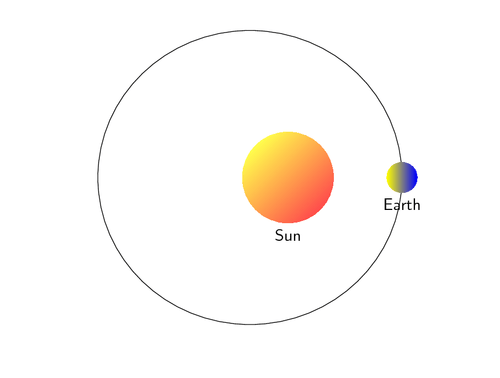
This picture shows the path Earth takes as it moves around the sun. What is the path called?
a)
a constellation
b)
a moon
c)
an orbit
d)
a planet
32.

Which planet in the solar system is farthest from the sun ?

a)

MARS

b)

URANUS

c)

SATURN

d)

NEPTUNE

33.
What is the difference between the inner planets and the outer planets?
a)
The outer planets are smaller than the inner planets 
b)
The inner planets are smaller than the outer planets
c)
The outer planets have more rocks than the inner planets
d)
the inner planets are heavier than  the outer planets
34.

Which is the smallest planet?

a)

Mars

b)

Venus

c)

Neptune

d)

Mercury

35.

Which is the biggest planet?

a)

Jupiter

b)

Neptune

c)

Saturn

d)

Uranus

36.

Which planet is mainly composed of gas?

a)

Jupiter

b)

Venus

c)

Earth

d)

Mars

37.
One factor that makes life possible on Earth is
a)
an atmospher
b)
water
c)
greenhouse effect
d)
gravity
38.
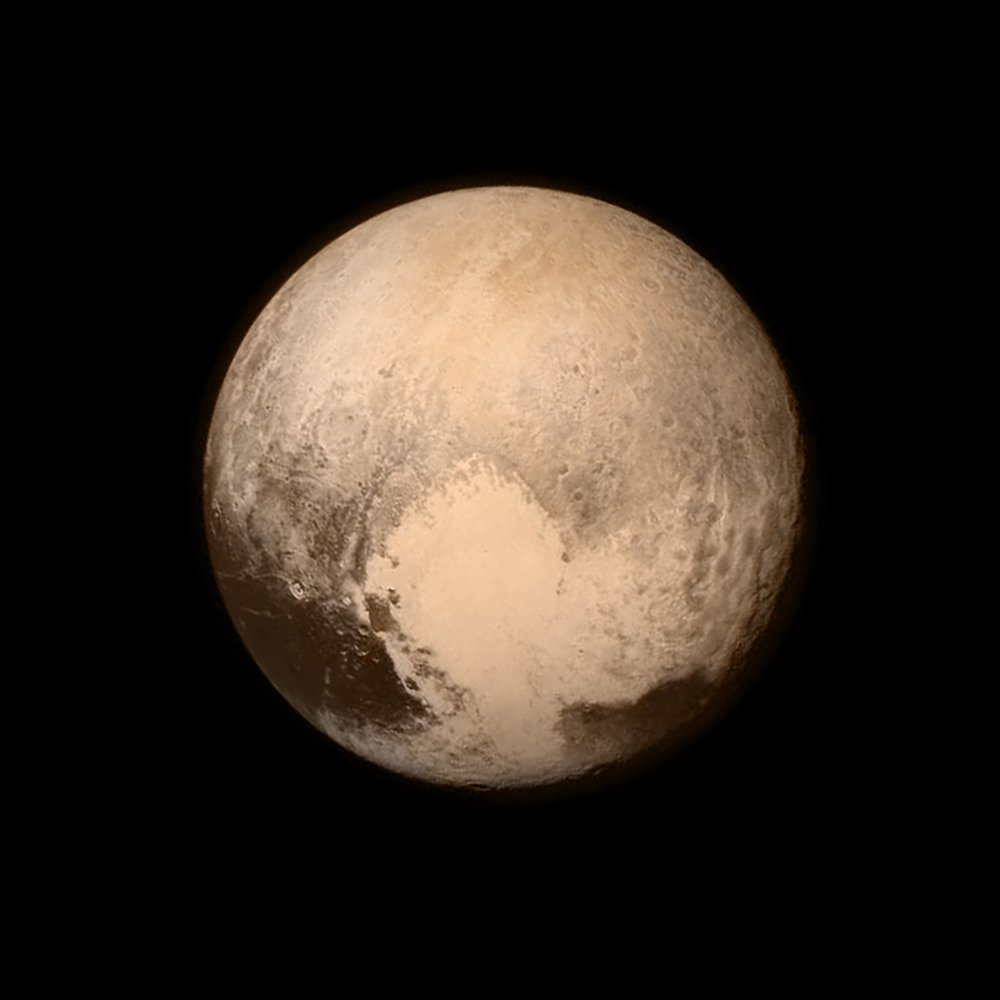
What is Pluto?
a)
An asteroid
b)
A planet
c)
A dwarf planet
d)
It doesn't exist
39.
Between which two planets is the asteroid belt located?
a)
Mercury & Venus
b)
Mars & Jupiter
c)
Uranus & Neptune
d)
Neptune & Pluto
40.
The __________ has planets, moons, comets, and asteroids.
a)
solar system
b)
earth
c)
rotation
d)
United States