
Font size
 Worksheets
Lab Safety Sample Quiz
Total questions: 20
Worksheet time: 13mins
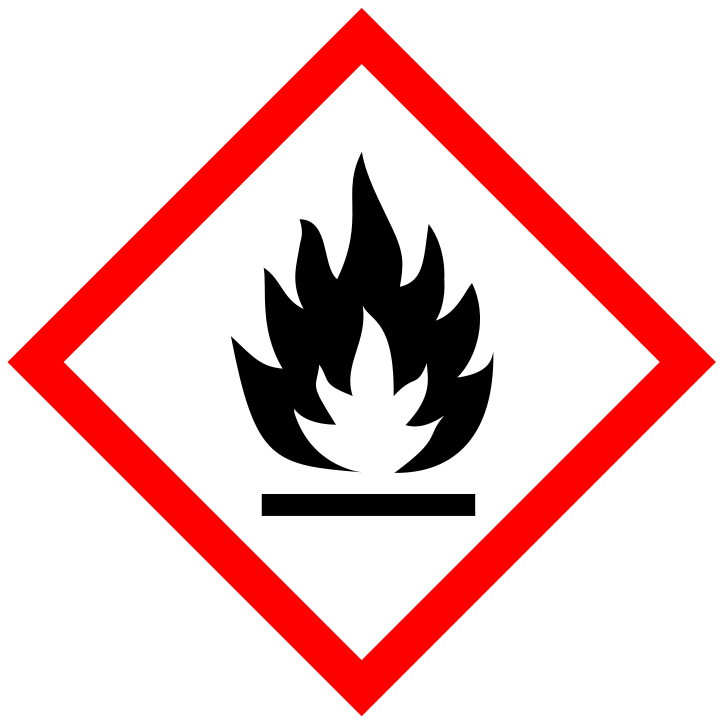
Explosive or self-reactive
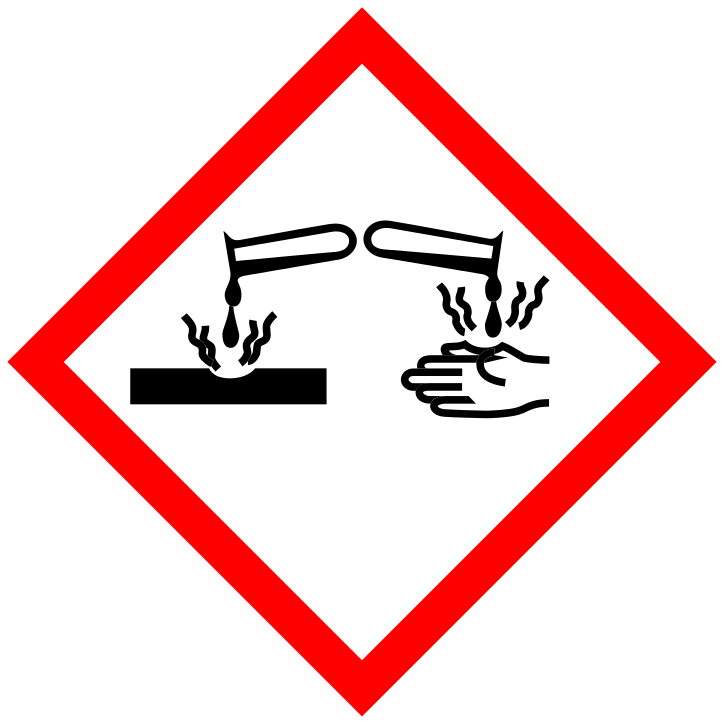
What does this GHS Symbol mean?
Burns skin, damages eyes, corrosive to metal
Irritant to skin, eyes, and respiratory tract and skin sensitizer
Carcinogen/ Mutagen

What does this GHS symbol mean?
Burns skin, damages eyes, corrosive to metal
Irritant to skin, eyes, and respiratory tract and skin sensitizer
Carcinogen/ Mutagen

What does this GHS symbol mean?
Flammable
Oxidizing Agent
Gases Under Pressure
Explosive or self-reactive

What does this GHS symbol mean?
Burns skin, damages eyes, corrosive to metal

What does this GHS Symbol mean?
Toxic to aquatic life
Poisonous
Irritant to skin, eyes, and respiratory tract and skin sensitizer
Acute Toxicity

Explosive or self-reactive
Burns skin, damages eyes, corrosive to metal

What does this GHS symbol mean?
Carcinogen/ Mutagen

What does this GHS symbol mean?
Carcinogen/ Mutagen
Explosive or self-reactive
Broken glassware should be cleaned up by the teacher using safety gloves and a broom and dustpan. All broken glass must be placed in a broken glassware container.
True
False
Describe the procedure for smelling a chemical
Stick your nose close to the vessel and breath deeply
Never smell a chemical
Point vessel away from face while gently fanning vapors toward nose (waft)
A document that must accompany any hazardous substance that includes information such as hazard symbols, physical properties, and chemical characteristics.
Safety Data Sheet (SDS)
PPE
Management system
OSHA
Students should wear all appropriate PPE (personal protective equipment) such as goggles and aprons as instructed by the teacher working in the lab.
True
False
When working in the lab, students should be allowed to complete the lab activity without reading the procedure.
True
False
When a chemical spills on your hands, you should immediately wash it with soap and water.
True
False
What would immediately be used if your clothing caught fire or if a large chemical spill had occurred on your clothing?
Fire extinguisher
Laboratory sinks
Safety shower
Eye wash fountain
The correct procedure for mixing acid with water/diluting an acid would be to add WATER TO ACID.
True
False

Pressing this mushroom button in the event of an emergency would cut off power supply and gas supply.
True
False
It would cut off power supply but not the gas supply.
Would cut off gas supply but not power supply.
If a chemical get in your eyes, what do you do? Select two answers.
Go to the eye wash fountain and rinse your eyes thoroughly.
Wash your hands.
Go to the deluge shower.
Tell the teacher.
Click on all of the items that are SAFE with respect to what to wear in the lab:
goggles
flip flops
hair tied back
apron
long, dangling jewelry

