
 Worksheets
water properties
Total questions: 9
Worksheet time: 9mins
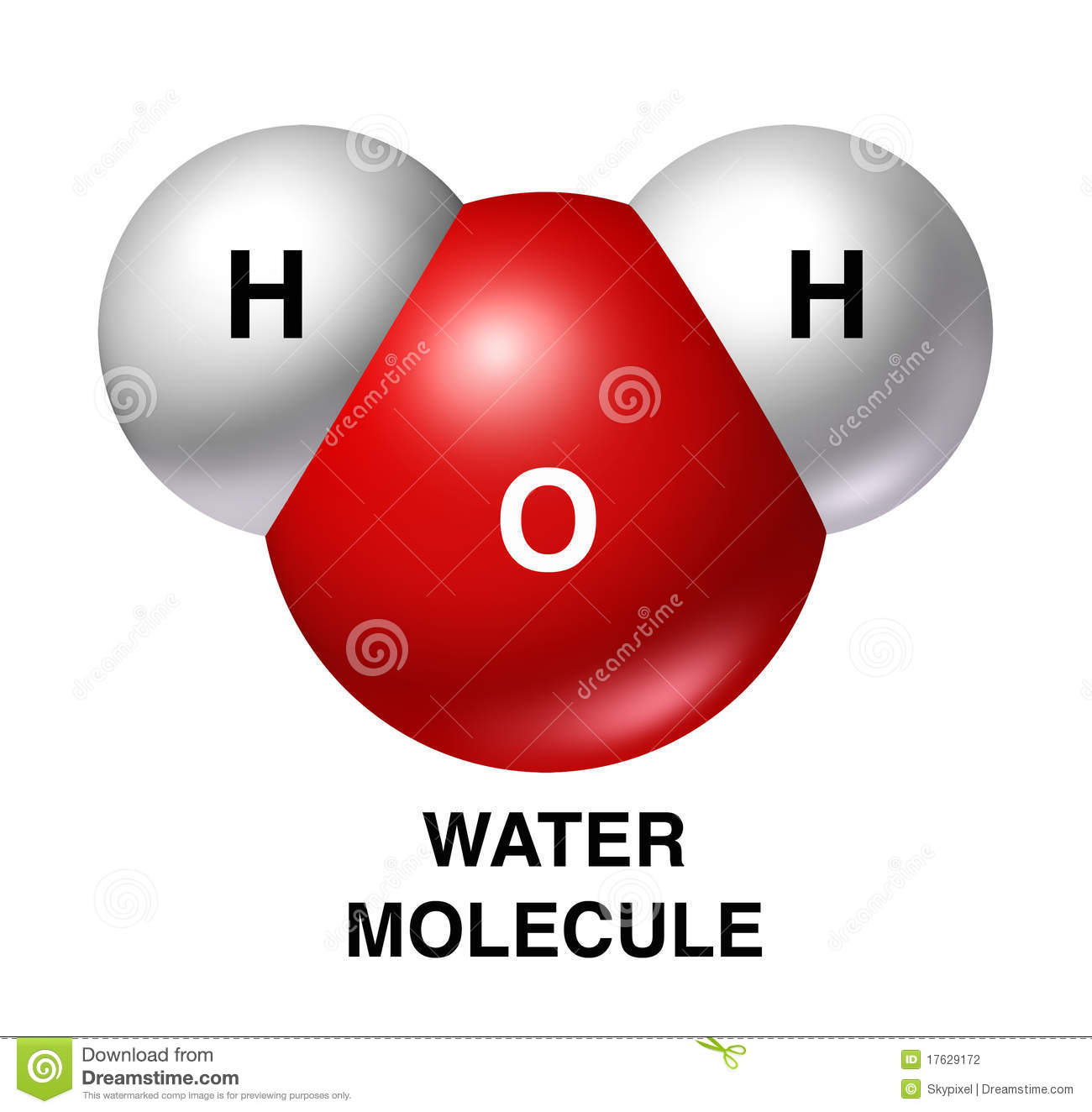
Which part of a water molecule has a Positive Charge?
The Hydrogen
The Oxygen
The Top
The Bottom
Which of the following is the CORRECT list of water's properties?
Read Carefully!
adhesion, cohesion, high specific heat, universal solvent
adhesion, cohesion, low specific heat, universal solvent
adhesion, no cohesion, low specific heat, universal solute
no adhesion, cohesion, high specific heat, universal solute

You body sweats to help prevent you from overheating. How does water regulate temperature?
it lets heat pass through it
it absorbs a lot of heat, then decreases in temperature
it absorbs a lot of heat, but only increases a little in temperature
heat is afraid of water and avoids it
Water sticks well to many materials. What term relates to this property of water?
cohesion
adhesion
density
surface tension
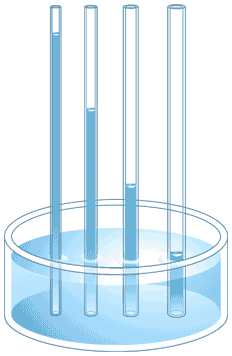
What is the term for water's ability to defy gravity and climb up a tube?
Capillary Action
Specific Heat
Universal Solvent
Magic
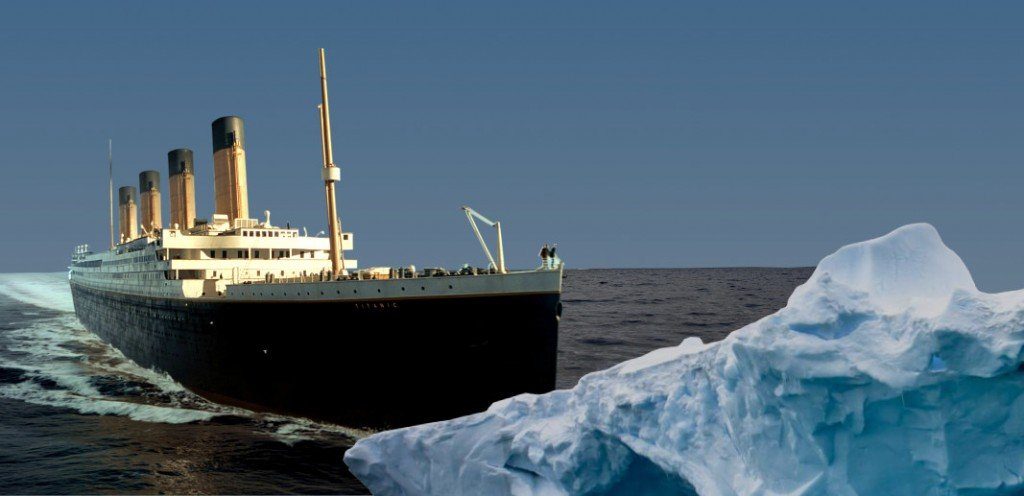
Why does ice float?
water expands when it freezes, making ice less dense than water
water compacts when it freezes, making ice more dense than water
hydrogen bonds in water push the ice to the surface
ice is afraid of water, and avoids it

What are the bonds called between a slightly positive hydrogen in a polar molecule and a negatively charged atom?
Hydrogen Bonds
Water Bonds
Covalent Bonds
Bail Bonds

When salt is dissolved in water, water is the
solvent
solute
solution
reactant

