
 Worksheets
Revision Grade 4
Total questions: 35
Worksheet time: 12mins
Leaf insects are shaped like a leaf so predators think they are real leaves.
Behavioral Adaptation
Structural Adaptation
Armadillos can roll up into a ball to protect their undersides.
Behavioral Adaptation
Structural Adaptation
Why would camels be a better choice for soldiers in the Desert Region to transport supplies across a desert instead of using horses?
camels are adapted to thrive in a hot and dry environment
camels were native to the old west
camels eat less food
camels are stronger and faster than horses
Animals that consume only meat are called
herbivores
omnivores
carnivores
The Eagle has sharp talons. How does the eagle use these talons?
swim in a lake
walk on rocky land
scratch bugs out of the soil
catch and hold prey
Bears, racoons, humans are examples of:
herbivore
omnivore
carnivore
none of these
Camouflage is
a seasonal period of time when an animal goes into a long, deep sleep.
what an animal does.
when an animal looks like another animal or plant.
an animal’s color and pattern that helps it blend in with its surroundings.
Animal migration is
when an animal looks like another animal or plant.
an animal’s color and pattern that helps it blend in with its surroundings.
a seasonal period of time when an animal goes into a long, deep sleep.
movement of one group of one type of animal from one region to another and back again.
What is hibernation?
animal body parts or physical features
seasonal period of time when an animal goes into a long, deep sleep
an animal’s color and pattern that helps it blend in with its surroundings
movement of one group of one type of animal from one region to another and back again
Which of the following are examples of migration?
Termites build a colony under a wooden building
Salmon (fish) swim to their spawning grounds each year
A wolf chases a reindeer
A squirrel digs a hole to sleep in for several months
Monarch butterflies fly from Canada to Mexico and back every year


Choose the correct sequence of the frog's life cycle
froglet, tadpole, frog, and egg
egg, frog, tadpole, and froglet
egg, tadpole, froglet, and frog
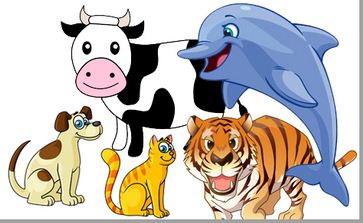
Which animal’s life cycle begins with a live baby?
swan
tiger
snake
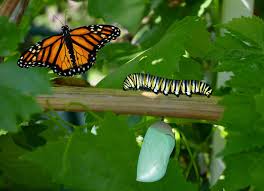
A caterpillar will change into what?
pupa
mealworm
butterlfy
frog
Oviparous animals lay eggs that develop outside the body of the mother. An example of oviparous animal is:


Oviparous
Viviparous
Ovoviviparous
Which of the following statements about the differences between the life cycle of a frog and cockroach is true?
The cockroach as a 4-stage life cycle but the frog has a 3-stage life cycle.
The young of the cockroach looks like its adult but the young of the frog does not.
The young of the frog and cockroach move in the same way as its adult.
The adult cockroach and the frog lives on land only.
Why do living things reproduce? Choose the best answer.
To ensure they do not die.
To ensure the survival of their kind.
To ensure they have enough babies.
Which of the following vitamins is prepared in our body with the help of sunlight
Vitamin A
Vitamin B
Vitamin D
Vitamin K
Which of the following food components are called protective food?
Carbohydrates
Protiens
Fats & Carbohydrates
Vitamins & Minerals

The man shown in the figure is obese because of the over intake of:
Carbohydrates
Fats
Proteins
Vitamins
Growing children need more ____ containing foods
Carbohydrates
Fat
Protein
Mineral
Boiling the Milk
Improves Taste
Gives Energy to the bacteria
Kills germs
Is not good for health
Which food is digested easliy?
Raw Food
Staple Food
Ordinary Food
Cooked Food
Which of these foods give you most of the carbohydrates that provide your body with energy?
Banana, Orange, Guava
Fish, Meat, Egg
Corn, Rice, Potatoes
Cake, Cheese, Butter
Which of the following nutrients are needed for the growth and repair of our blood cells?
Carbohydrates
Proteins
Fats
Minerals
Which of the following is a rich source of Protein?
Wheat
Pulses
Meat
Both Pulses & Meat
A runner participating in a race takes some glucose just before the race begins. This means that glucose
makes running easier
builds muscles instantly
gives energy instantly
stops sweating of the body
Name the method of removing the water content of the food.
Dehydration
Freezing
Boiling
Canning
Storage of food in low temperature:
Makes food more healthy
Makes food tastier
Slows down the growth of germs
None of these

Name the method of food preservation
Drying
Cooling
Boiling
Canning

