
 Worksheets
BIOLOGY REVISION US4
Total questions: 40
Worksheet time: 28mins

Sperm are produced in the
Bladder
Testes
Scrotum
Ovaries

Human eggs are usually fertilized in the
Uterus
Ovary
Oviduct
Cervix

A fertilized egg develops in the
the cervix
the uterus
an ovary
the vagina

Which of the following is NOT true about the placenta?
The placenta protects baby from drugs the mother uses.
The mother's blood does not mix with the baby's blood in the placenta.
Waste is passed from the embryo through the placenta into the mother's blood.
The placenta prevents some diseases from spreading from the mother to the embryo.
What happens during labor?
Strong muscular contractions push the baby out.
The fetus develops a heartbeat.
The umbilical cord is tied and cut.
Strong muscular contractions of the uterus cause the cervix to enlarge.

What is #1 pointing to?
Fallopian tube
Cervix
Uterus
Vagina
Ovary

What is 2 pointing to?
Fallopian tube
Cervix
Uterus
Vagina
Ovary

What is #7 pointing to?
Fallopian tube
Cervix
Uterus
Vagina
Ovary

What is #2 pointing to?
Penis
Scrotum
Testis
Sperm tube
Urethra
The release of a mature egg into an oviduct is called
menstruation
menstrual cycle
ovulation
fertilization
A ___________ is formed when fertilization occurs.
embryo
zygote
fetus
sperm
The lining of the uterus coming out through the vagina (sometimes called 'having a period').
Conception
Fertilization
Implantation
Menstruation
During fertilisation, nucleus in the head of sperm fuses with the ovum nucleus to form a ___________________
embryo
zygote
foetus
baby
Name the process where the embryo implants onto the uterine lining of uterus.
Plantation
Implantation
Pregnancy
Development
Infertility is the inability to produce offsprings.
YES
NO
Surgery is carried out to cut the Fallopian
tubes and the two ends are then tied to
prevent the ovum from meeting the sperms.
vasectomy
IUCD
Ligation
implant
Catches pollen
Stigma
Pollen
Sepals
Petal
Which animal is NOT cold-blooded?
a fish
a mammal
a reptile
an amphibian
Animals that have backbones.
vertebrates
invertebrates
insects
jellyfish
Choose the animal that is a vertebrate.
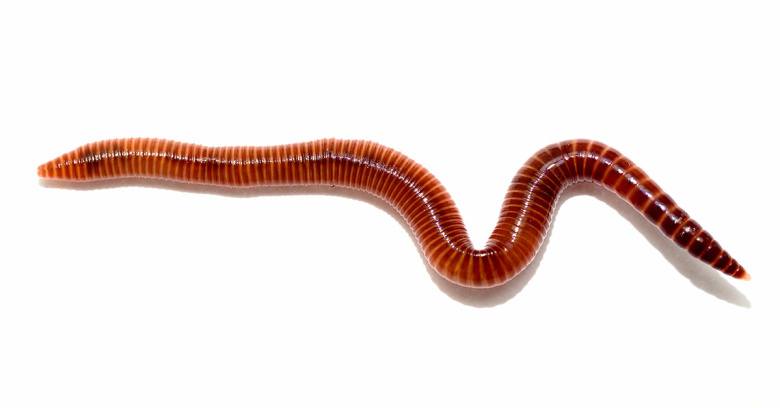
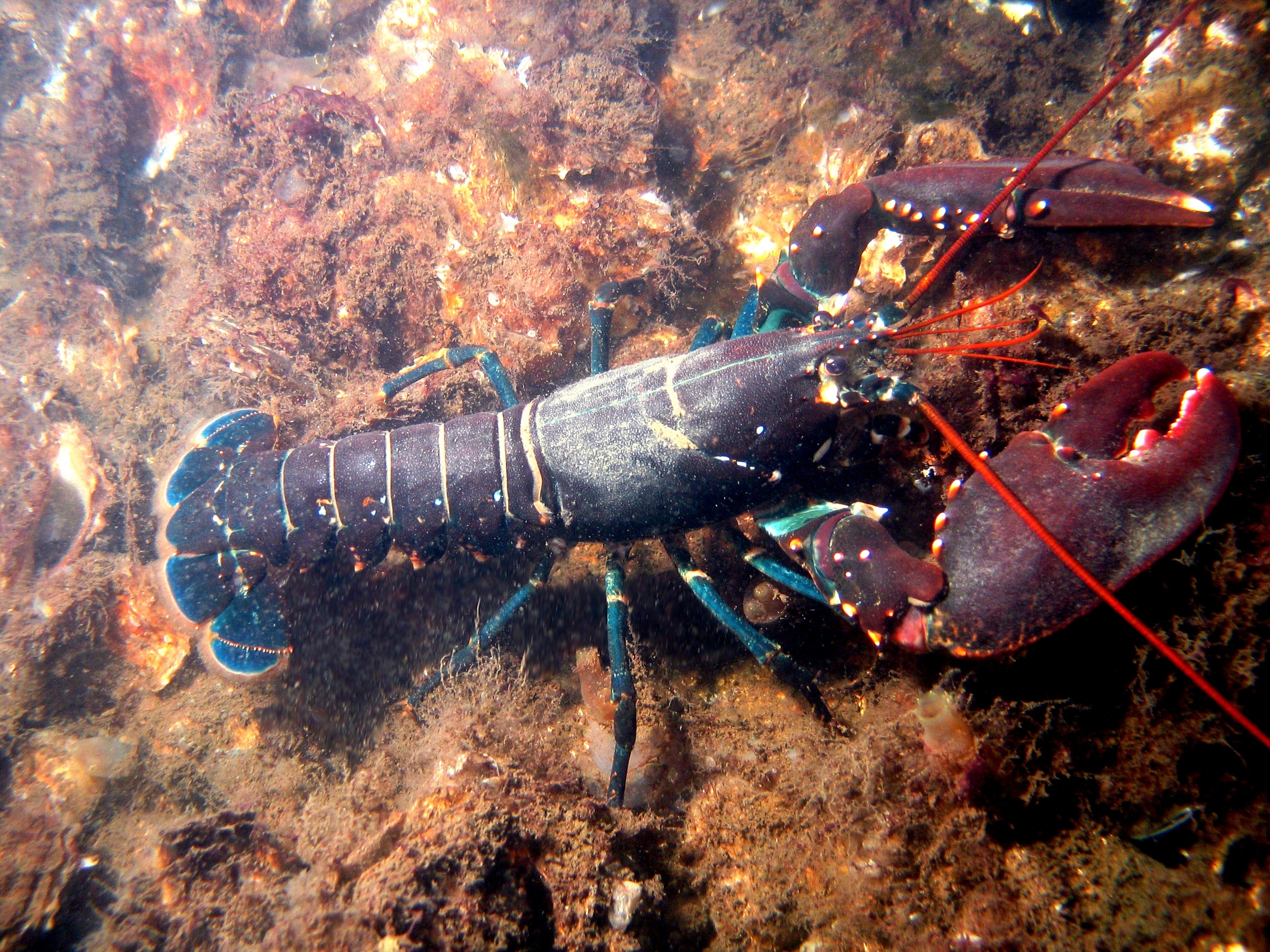
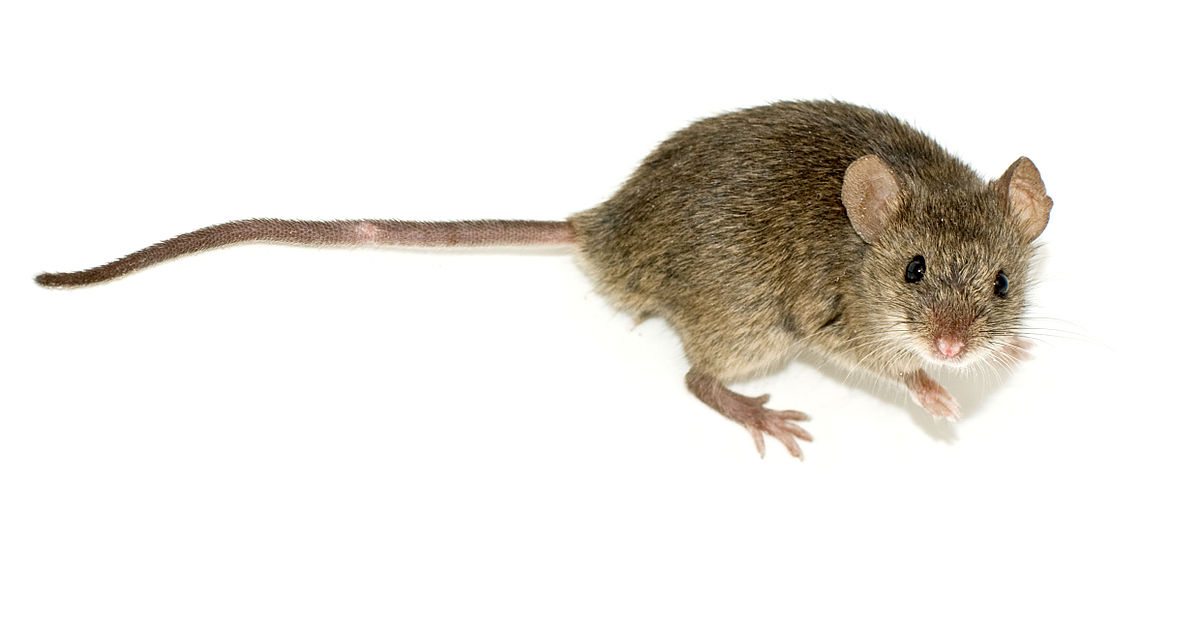
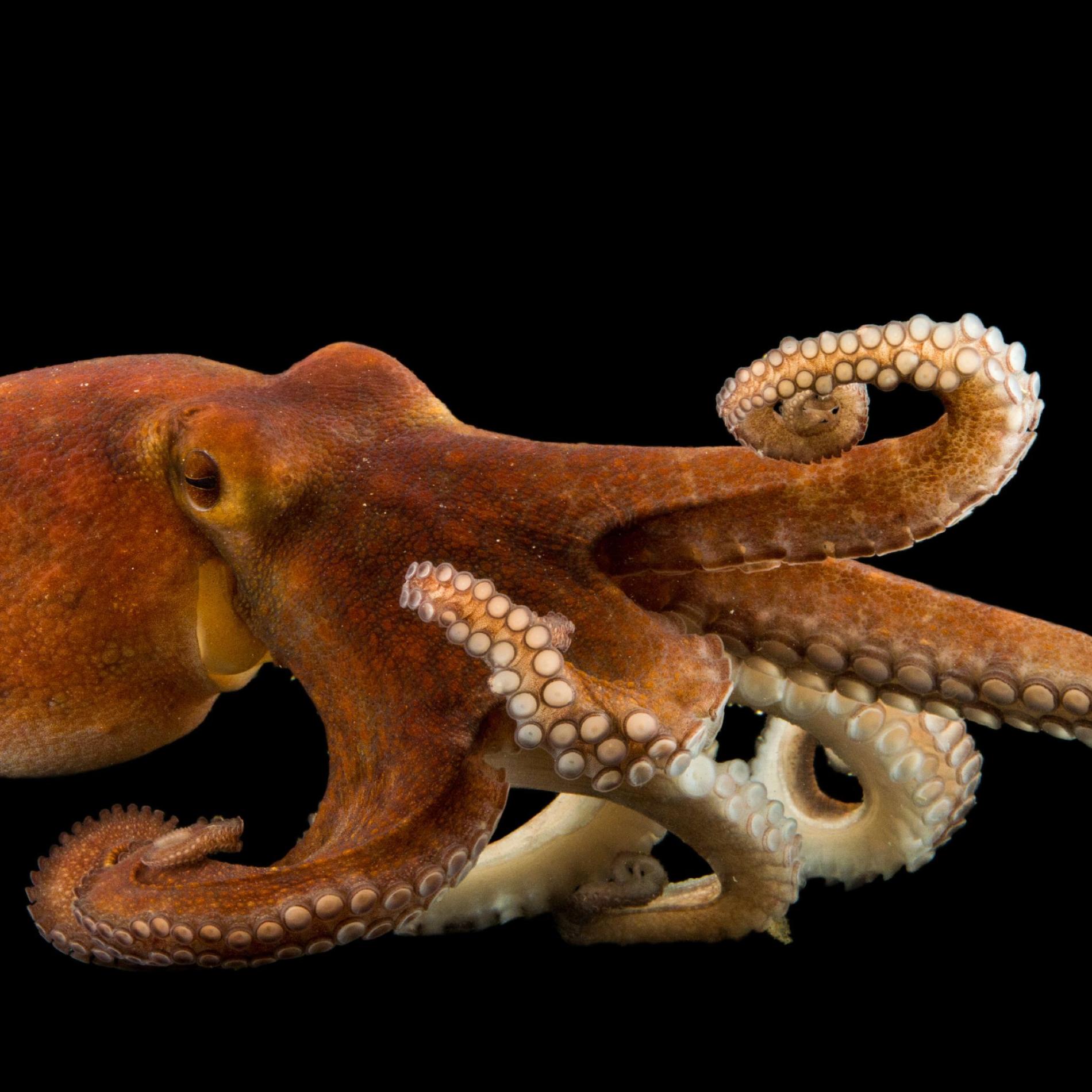
An animal that has moist skin and no scales.
amphibian
mammal
reptile
fish
Which of the following vertebrates carries out external fertilisation ?
Turtle
Snake
Whale
Frog
Mammals are one of the classifications. Mammals are known for:
Having feathers.
Having fur and feeding their young milk.
Laying eggs.
Having no spine.
Reptiles are known for:
Having fur.
Having feathers.
Having scales and laying eggs.
Feeding their young with milk.
Fish are known for:
Living entirely underwater.
Having fur.
Having feathers.
Feeding their young with milk.
Birds are known for:
Having scales.
Having fur.
Living partly in water and partly on land.
Having feathers and laying eggs.
An example of a mammal is a:
rattle snake
clown fish
zebra
toad
An example of a bird is a:
platypus
cat
flying squirrel
penguin
A scientist discovers a new organism. It has scales and uses lungs to breathe air. How will they classify this organism?
As an invertebrate
As a reptile
As an amphibian
As a fish
Flowering plants are called:
pretty
monocotyledons
dicotyledons
angiosperms



